Choosing the right Advertising Gifts in 2026 is less about finding the cheapest item and more about earning a place in someone’s daily routine. A sturdy insulated bottle may travel to work each morning; a flimsy one may reach the bin by Friday. Small details matter. Seth Godin, a respected marketing author, writes, “Marketing is no longer about the stuff that you make, but about the stories you tell.” That idea offers a useful lens: a gift should carry a clear, relevant message, not just a logo.
This guide explores how to match gifts with audience, occasion, budget, and brand goals. It considers practical questions: Will people use the item? Does its material feel dependable? Is the logo visible without overwhelming the design? Can the supplier provide consistent quality and realistic delivery dates? These checks may seem ordinary. They prevent expensive surprises. A notebook with smooth paper and a pen that writes cleanly can make a better impression than a flashy item with poor finishing.
There is no perfect gift for every campaign. That is worth admitting. Audience preferences vary, and even useful products can feel wasteful when chosen without care. In the sections ahead, we’ll compare selection criteria, explore personalization, and consider how to assess value beyond unit price. The aim is not to predict every 2026 trend. It is to help you make a thoughtful, measurable choice—and notice where your assumptions may be wrong.
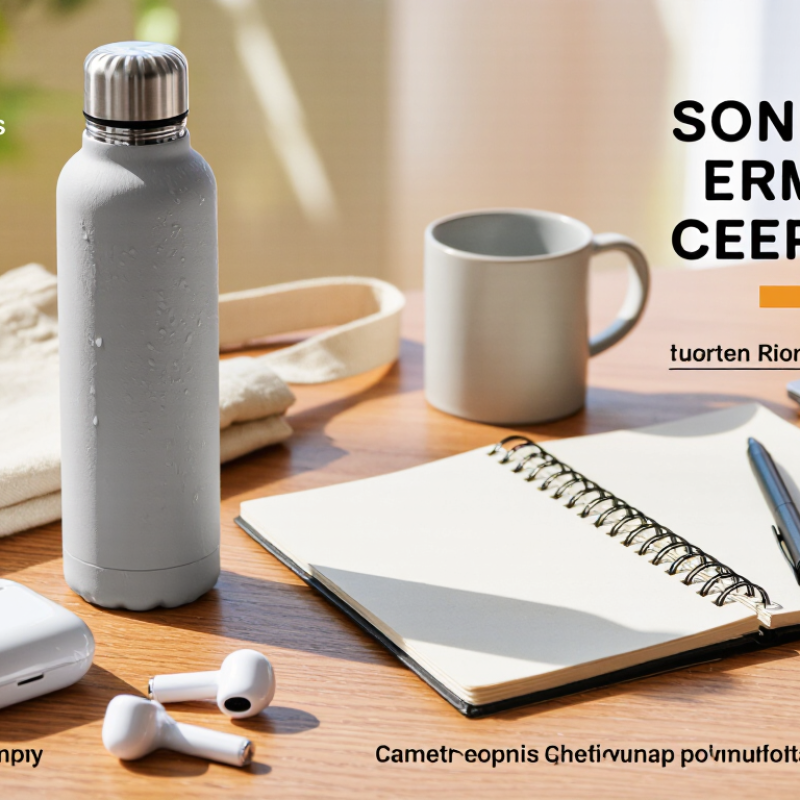
Before choosing advertising gifts in 2026, identify who will receive them and what you want them to do. A useful item for a trade-show visitor may not suit a long-term client. Consider the recipient’s role, daily routine, location, and likely setting. Will they use it at a desk, on a commute, or at an event? A compact notebook may fit a conference, while a sturdy tote could serve people carrying samples or documents. Specific details matter.
Set one clear goal for each gift campaign. You might want recipients to remember a service, visit a landing page, or start a conversation with your team. Match the gift to that action, then decide how you will measure results. A small QR code can help track visits, but it will not explain why someone engaged. Ask recipients for feedback, too. Not every choice will land well; even a practical gift can feel generic if it ignores the audience.
Tips: Write a one-sentence audience profile before requesting quotes. Set a realistic budget per recipient, including packaging and delivery. Check material quality and usefulness with a small sample order. Then ask: Would I keep this? If the answer feels uncertain, reconsider the item or the goal.
A strong 2026 gift plan starts with a real budget, not a guessed unit price. Add product cost, printing or setup fees, packaging, shipping, and any taxes before dividing by your total budget. For example, a $3,000 budget does not buy 1,000 gifts at $3 each if delivery costs extra. Keep a small reserve for replacements or late quantity changes. Those costs are easy to underestimate.
Quantity should reflect the people you can actually reach. Estimate confirmed attendees, staff, or customers, then add a modest buffer rather than ordering far beyond demand.
ASI’s 2023 Ad Impressions Study found that 85% of consumers remember the advertiser that gave them a promotional product.
That supports choosing useful gifts, but it does not guarantee every item will be kept. A practical test: would someone use it at a desk, in a bag, or on the commute?
Tips: Request quotes at two or three quantity levels, such as 250, 500, and 1,000 units. Compare the delivered cost per item, not just the listed price. Check whether the sample matches the final material and print. And be honest about uncertainty: attendance estimates can miss, sometimes by a lot.
A strong advertising gift earns a place in someone’s daily routine. A sturdy notebook beside a laptop or a comfortable travel mug can be more useful than a novelty item that gets one laugh and then disappears. Start with the recipient’s habits: commuters may value compact, durable items, while event attendees often need something easy to carry. Small details matter. A gift should feel relevant, not merely branded.
Quality protects that usefulness. Check stitching, hinges, print clarity, and how the item feels after repeated handling. ASI’s 2023 Ad Impressions Study reported that 85% of consumers could recall an advertiser from a promotional product, and 83% said they were more likely to do business with that advertiser. Those figures suggest that a gift can extend brand recognition, but they do not guarantee a positive impression. A flimsy item may be remembered for the wrong reason.
Brand fit comes from matching the gift’s function, materials, and design to the organization’s character. A practical, understated item may suit a service focused on reliability; a bright, playful design may suit a more energetic audience. Keep logos legible, but leave room for the object to look good in everyday settings. A useful gift can still miss. Recipient needs vary, and a sensible choice may not delight everyone; small pilot orders can reveal problems before a larger campaign.
In 2026, a strong advertising gift should earn a place in someone’s daily routine, not just carry a logo. Sustainability starts with practical questions: Will the item last? Can it be repaired or recycled? Is its packaging necessary? PwC’s 2024 Voice of the Consumer Survey found that respondents were willing to pay an average 9.7% more for sustainably produced or sourced goods. That does not prove every buyer will choose a greener gift, but it signals growing interest. A sturdy recycled-fiber notebook may be more useful than a novelty item that quickly gets discarded. Sometimes less is better.
Personalization can make a useful gift feel considered, provided it does not become clutter. McKinsey’s 2021 Next in Personalization report found that 71% of consumers expect personalized interactions, while 76% feel frustrated when they do not receive them. For a gift, that might mean choosing a color or adding a recipient’s name discreetly, rather than printing oversized messages. The 2026 direction is likely to favor useful, adaptable items and thoughtful customization; no single trend suits every audience. Ask recipients what they actually use. That step is easy to overlook. Track feedback and waste after distribution, too, because a low-impact claim means little if the product sits untouched in a drawer.
How to Choose the Best Advertising Gifts in 2026?
Compare Suppliers and Measure Campaign Performance
In 2026, compare suppliers on more than unit price. A low quote can hide setup fees, inconsistent printing, or delivery delays. Request an itemized estimate, a physical sample, and a written production timeline. For a desk gift, check whether the logo stays clear at arm’s length and whether the item feels sturdy after repeated use. Ask about minimum quantities, packaging, and how defects are handled. Small details matter.
A sample is useful, but it may not match the full production run. Ask how quality is checked across batches, and clarify what happens if colors or dimensions vary. Compare answers in a simple table, alongside price and lead time. This makes trade-offs visible, even when one supplier seems easier to work with.
Set a campaign goal before ordering. If the aim is event follow-up, use a unique QR code or landing-page link and track visits, inquiries, and cost per qualified lead. Record distribution numbers and compare results with a similar earlier campaign, if available. A scan does not prove the gift caused a sale; timing and audience interest also matter. Keep that caveat. Review results after several weeks, then adjust the next order’s quantity, item, or audience based on what people actually used.
| Supplier Type | Suitable Gift Examples | Indicative Unit Cost | Typical Minimum Order | Typical Production Lead Time | Customization Options | Best Fit | Campaign Measurement |
|---|---|---|---|---|---|---|---|
| Local print and promotional shop | Printed notebooks, tote bags, mugs, and basic apparel | $2–$15 | 25–100 units | 5–15 business days | Screen printing, embroidery, or simple digital printing | Local events, small teams, and orders with short deadlines | Use a unique QR code or campaign URL on inserts; track scans, landing-page visits, and resulting inquiries. |
| Promotional products distributor | Drinkware, pens, bags, desk accessories, and event kits | $1–$30 | 50–250 units | 7–20 business days | Product selection, logo placement, color choices, and gift packaging | Organizations comparing multiple product categories or consolidating an order | Assign a campaign code to each gift type; compare cost per qualified lead and follow-up response by recipient segment. |
| Sustainability-focused supplier | Recycled notebooks, reusable drinkware, recycled-fiber bags, and plant-based items | $3–$35 | 50–300 units | 10–25 business days | Material and color choices, lower-impact packaging, and logo decoration | Campaigns where material transparency and practical reuse are priorities | Track landing-page engagement and survey recipients about usefulness; verify environmental claims and certifications for each product. |
| Custom product manufacturer | Purpose-designed kits, custom-shaped accessories, and bespoke packaging | $8–$60+ | 250–1,000+ units | 30–60+ business days | Custom materials, colors, product design, and packaging | Large launches or campaigns that need a distinctive, tailored gift | Use a holdout group where practical; compare conversion, qualified leads, and incremental cost against the campaign objective. |
| On-demand fulfillment provider | Print-on-demand apparel, posters, notebooks, and individually shipped gifts | $8–$40, plus fulfillment and shipping | Often 1 unit per order | 3–10 business days after order, plus transit | Recipient-specific designs, variable names, and direct-to-recipient shipping | Small targeted audiences, distributed teams, and personalized follow-up | Measure delivery success, redemption, recipient-level engagement, and total cost per delivered gift. |
| Planning note: Unit costs, minimums, and lead times are indicative purchasing ranges, not supplier quotes. Obtain a written quote that includes setup charges, samples, packaging, freight, taxes, and delivery dates. Campaign results should be measured against a defined baseline; response and conversion rates depend on audience, offer, timing, and tracking setup. | |||||||
Include item costs, printing or setup, packaging, shipping, and taxes. Keep a small reserve for replacements or late changes. Costs creep up.
Estimate confirmed attendees, staff, or customers, then add a modest buffer. Avoid ordering far beyond likely demand. Attendance estimates can miss by a lot.
Request prices for quantities such as 250, 500, and 1,000. Compare delivered cost per item, not just listed price. Check what shipping adds.
Choose something people can use at a desk, in a bag, or during a commute. A sturdy notebook may outlast a novelty item. Habits vary.
Check stitching, hinges, print clarity, and how the item feels after repeated handling. Ask whether the sample matches the final material and print. Feel it twice.
Match the item’s function, materials, and design to the audience. Keep the logo clear, but leave room for the object to look good in daily settings.
No. One study reported that 85% of consumers recalled an advertiser from a promotional product, and 83% were more likely to do business with that advertiser. Results can differ.
Yes. A pilot can reveal print or quality issues before a larger order. Needs differ, and even a sensible choice may not delight everyone.
Choosing the best Advertising Gifts in 2026 starts with understanding who will receive them and what the campaign should achieve. Consider recipients’ interests, daily routines, and expectations, then set a realistic budget and estimate how many gifts you need. Planning these details early helps ensure your choices are practical and appropriate for the campaign.
Focus on gifts that are useful, well-made, and consistent with your message, while also considering sustainability and thoughtful personalization. Keep current preferences in mind, but choose items with lasting value rather than relying on short-lived trends. Before ordering, compare suppliers on quality, pricing, customization, and delivery. After the campaign, measure recipient engagement and feedback to understand what worked and improve future gift selections.

Andy Culture