High-demand manufactured goods backed by ISO 9001 quality management and international trade logistics.
Analysis of Flexible Electrical Raceway Systems, Metallurgical Integrity, Polymer Sheathing, and Global Procurement Strategies
In modern industrial infrastructure, electrical wiring systems are subjected to severe environmental stresses, including mechanical vibration, thermal expansion, continuous moisture, chemical exposure, and mechanical abrasion. Selecting an authoritative China liquid tight conduit exporter is a critical strategic imperative for global EPC (Engineering, Procurement, and Construction) contractors, plant automation engineers, and industrial distributors seeking to maintain systemic integrity and avoid catastrophic electrical downtime.
Liquid-Tight Flexible Metal Conduit (LFMC) and Liquid-Tight Flexible Non-Metallic Conduit (LFNC) serve as vital protective raceways for power, control, and data cables. The architectural design of high-grade LFMC relies on a helically wound, interlocked or square-locked hot-dip galvanized steel core. This metallic core provides exceptional crush resistance, tensile strength, and electromagnetic interference (EMI) shielding. The core is extruded with an outer thermoplastic polyvinyl chloride (PVC), polyurethane (PUR), or zero-halogen jacket that creates a continuous barrier against water, oils, coolants, mild acids, and ultraviolet radiation.
The global demand for liquid-tight flexible conduits has evolved significantly beyond basic building construction into high-tier, specialized industrial automation and clean-tech ecosystems. Procurement executives must evaluate China conduit suppliers not only on unit economics, but on material traceability, batch consistency, and cross-border logistics resilience.
Robotic arms, CNC machining centers, and automated conveyance systems require conduits capable of enduring millions of torsional and flexural cycles. Standard rigid conduits fail rapidly under dynamic loading. High-flex LFNC and liquid-tight metallic conduits with smooth-bore interiors prevent internal cable skin friction and failure, protecting multi-axis servo motors and sensor feedback lines in modern Smart Factories.
Utility-scale solar installations in arid or coastal environments demand extreme weatherability. Conduits deployed on solar trackers must resist degradation from severe UV radiation, high ambient heat, and sand abrasion. Similarly, nacelle wiring within offshore and onshore wind turbines requires liquid-tight protection resistant to salt spray, synthetic lubricant oils, and wide thermal fluctuations.
In hazardous location zones (Class I, Div 1 & 2 per NEC standards; Zone 1 & 2 per ATEX/IECEx directives), electrical installations require flame-propagation barrier protection alongside liquid isolation. Exporters supplying specialized conduit systems provide thick-walled, hydrocarbon-resistant jacket materials capable of surviving prolonged exposure to hydraulic fluid, diesel fuel, and volatile organic compounds (VOCs).
Under-floor power distribution units (PDUs) in hyperscale data centers utilize zero-halogen, low-smoke liquid-tight flexible conduits. In the event of a thermal incident, these specialized halogen-free conduits prevent the emission of corrosive acidic gases (such as hydrogen chloride) that can irreparably damage surrounding server hardware and critical silicon infrastructure.
China's industrial manufacturing ecosystem offers unmatched advantages for global enterprise procurement teams seeking scalable supply chains for electrical raceways and associated accessories:
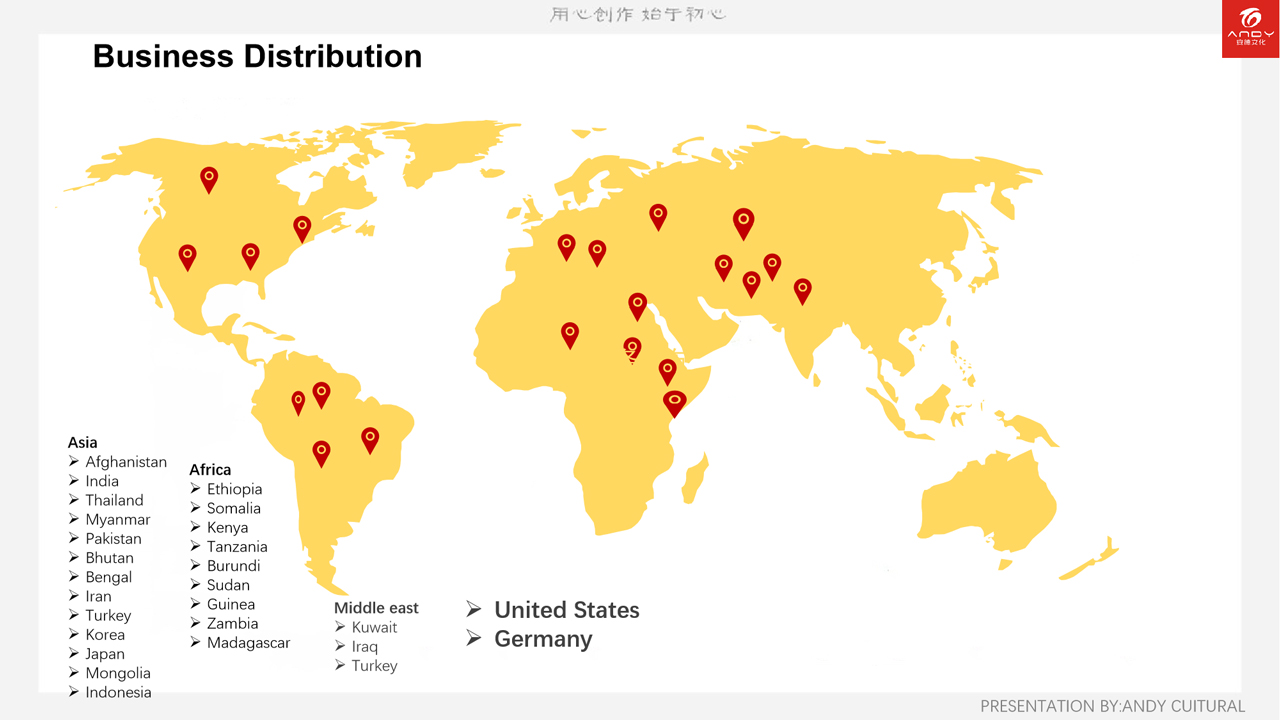
Integrity, quality compliance, and international service delivery form the foundation of our corporate ethos. Established as a leading foreign trade import and export enterprise, our operations reflect decades of commitment to global clients across Asia, Europe, Africa, and Latin America.
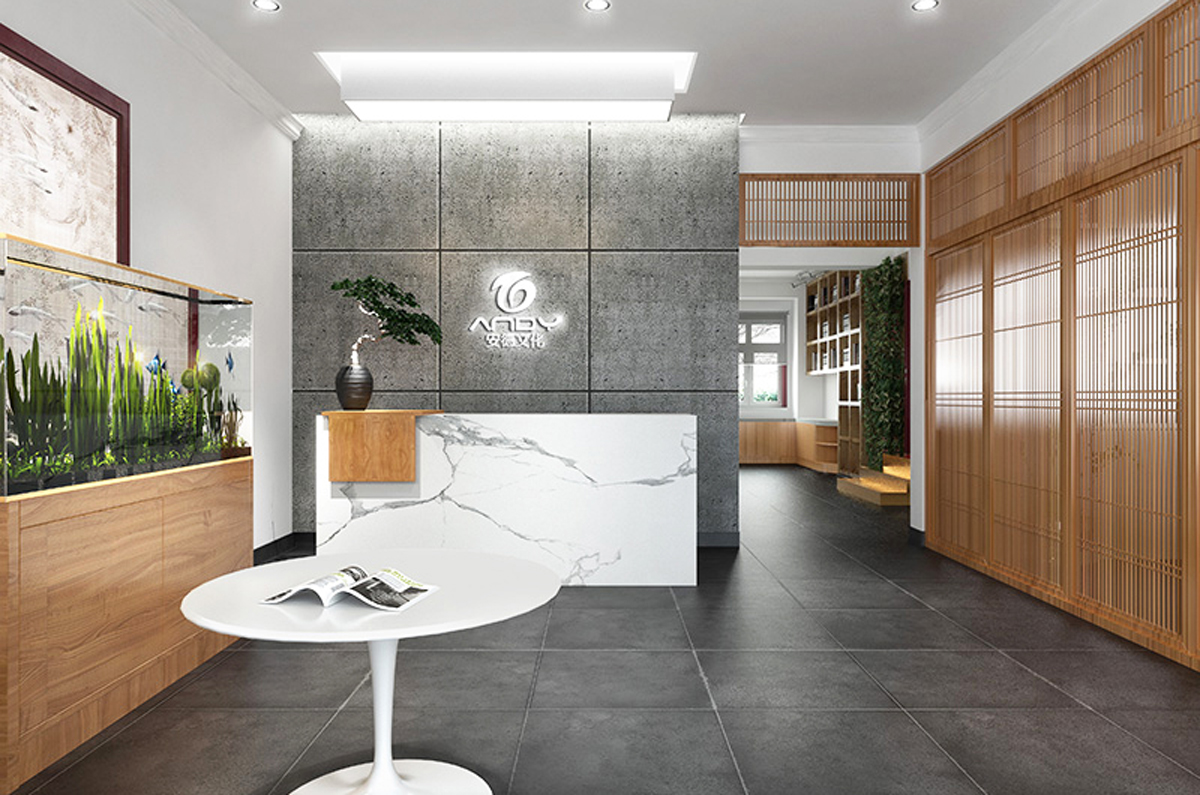
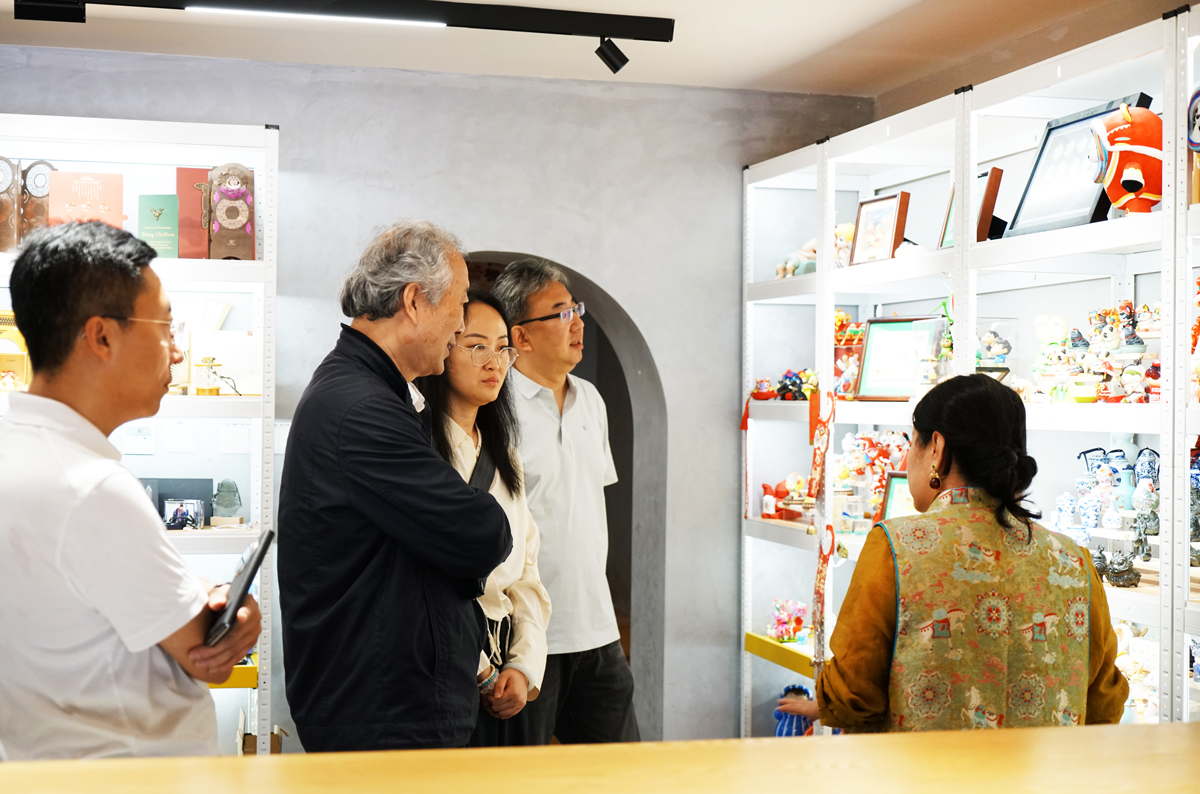
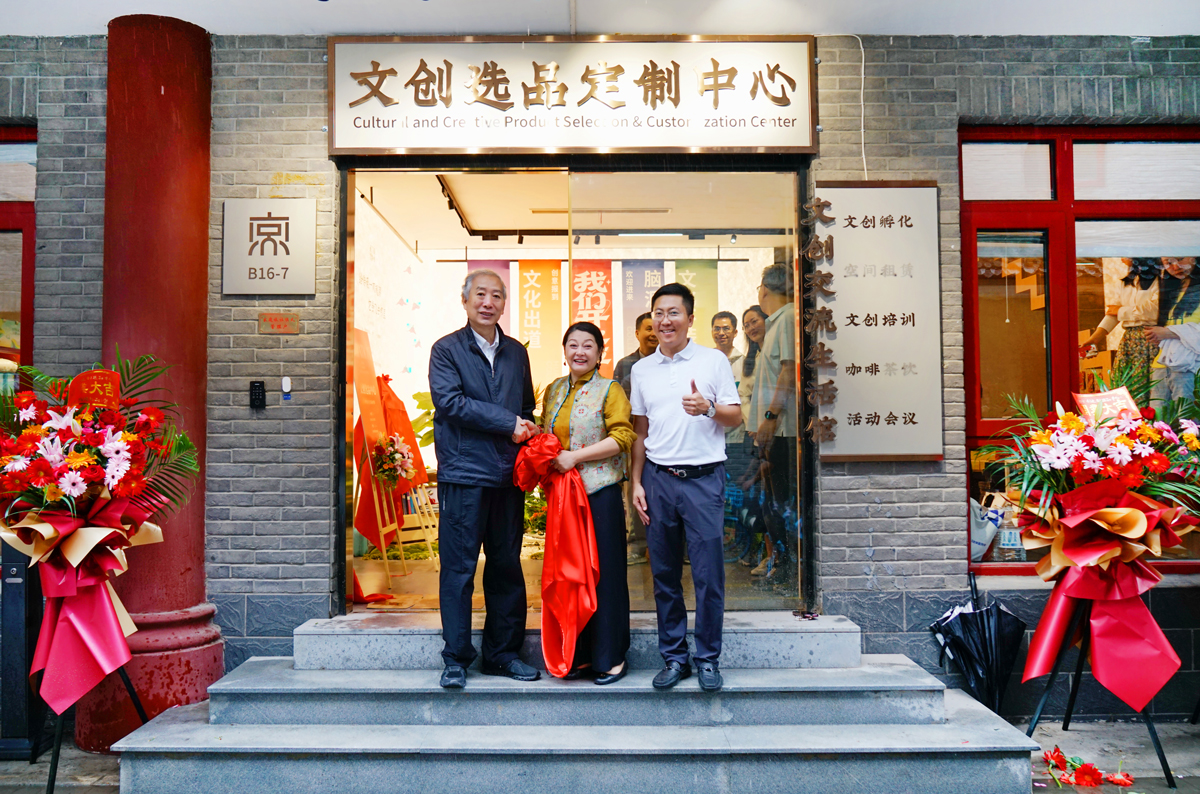
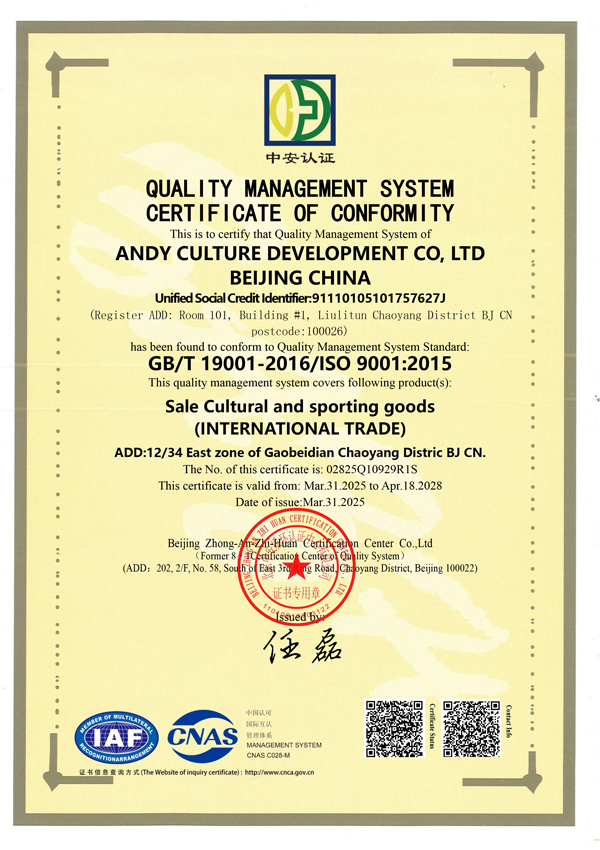
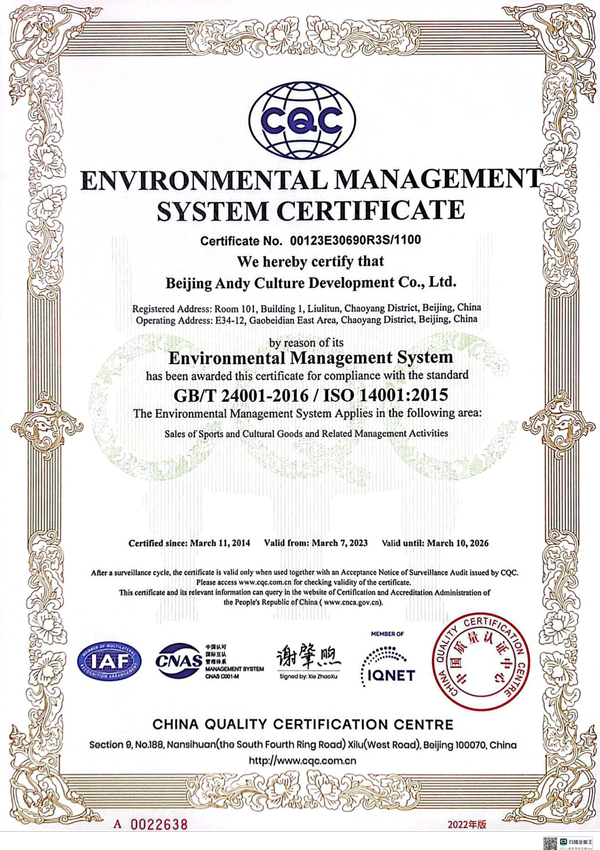
Established in 1995, Beijing Andy Culture Development Co., Ltd. (Andy Culture) brings 30 years of professional expertise in high-visibility custom solutions, industrial product sourcing, trade negotiation, and corporate supply chain management. As a fully qualified foreign trade import and export enterprise, we operate under rigorous international management standards holding dual ISO 9001 Quality Management System Certification and ISO 14001 Environmental Management System Certification.
Customer-oriented and quality-driven is our consistent principle. We maintain a dedicated team of over 20 senior experts in industrial design, quality control, international trade logistics, and cross-border procurement. We provide end-to-end, one-stop services for global corporate customers from initial technical drawing validation and material selection to final customs clearance and job-site delivery.
Our corporate authority is further underlined by our registration as a UNGM Registered Vendor (#257976) and our long-term agreements (LTA) with international organizations including the UNDP and UNICEF China. In addition to general industrial and commercial goods, we maintain specialized legal trade qualifications such as Class II Medical Devices Operation Qualification and Packaged Food Operation Qualification.
The electrical conduit industry is undergoing significant technological evolution driven by strict global environmental directives and high-performance engineering requirements:
Traditional PVC jackets are increasingly replaced by Thermoplastic Polyurethane (TPU) and Low-Smoke Zero-Halogen (LSZH) polyolefin materials. TPU provides superior mechanical abrasion resistance, remaining flexible at extreme sub-zero temperatures (-50°C) while eliminating environmental halogens.
Advanced hot-dip galvanization techniques combined with micro-thin passivation layers prevent oxidation of the steel ribbon prior to polymer jacketing, guaranteeing extended service life even if the outer jacket experiences localized physical damage during installation.
Future technical roadmaps explore composite conduits embedded with fiber-optic sensing threads capable of real-time temperature monitoring, moisture intrusion detection, and mechanical strain reporting along extended cable runs in critical infrastructure.
Navigating global regulatory landscapes requires absolute compliance with regional electrical codes:
To guarantee that exported liquid tight flexible conduits perform under extreme field conditions, our quality assurance protocols enforce multi-stage testing before export dispatch:
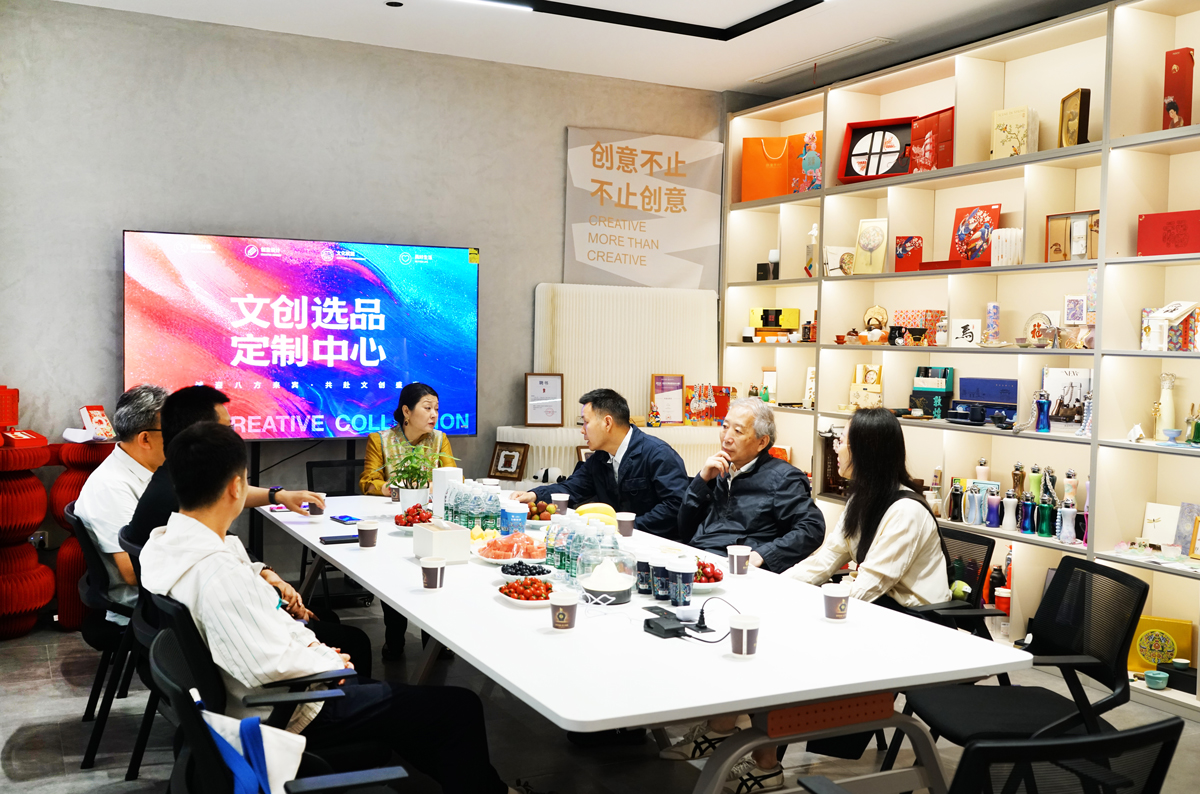
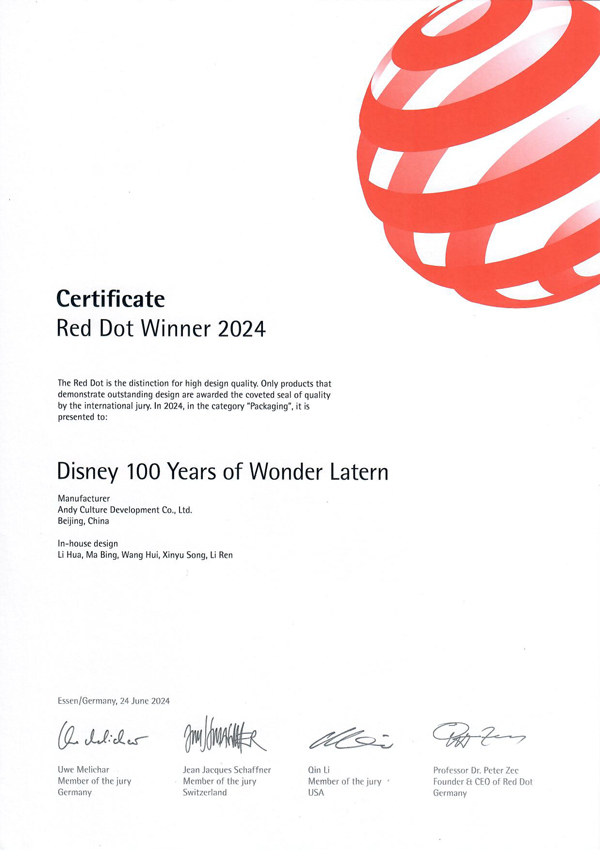
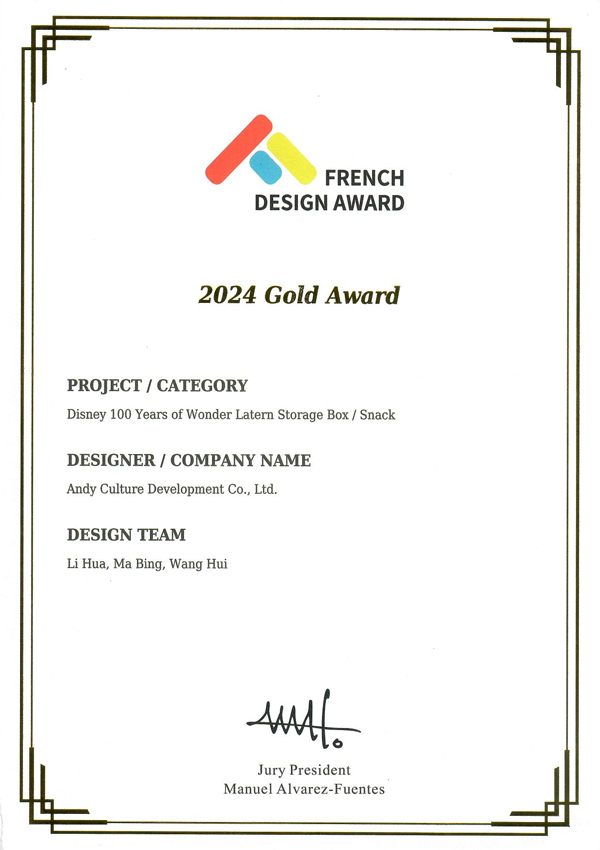
Verified credentials, international quality compliance, and decades of recognized excellence.
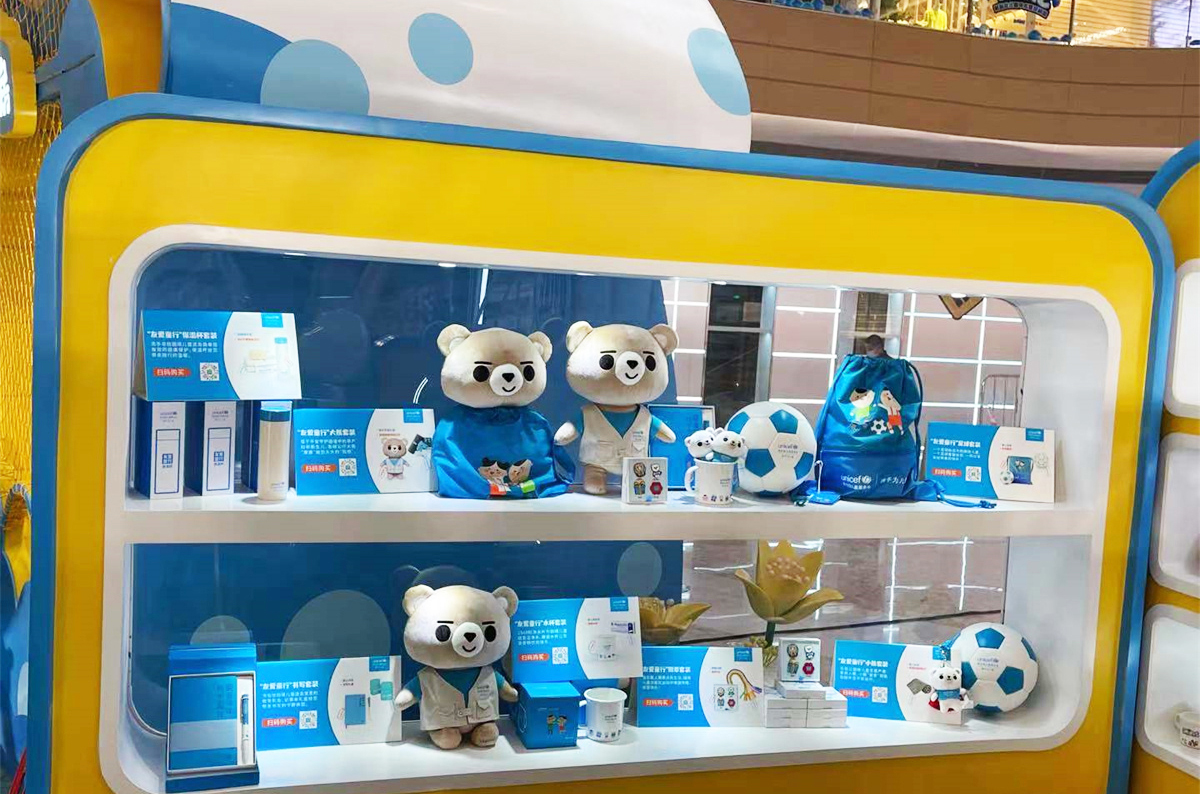
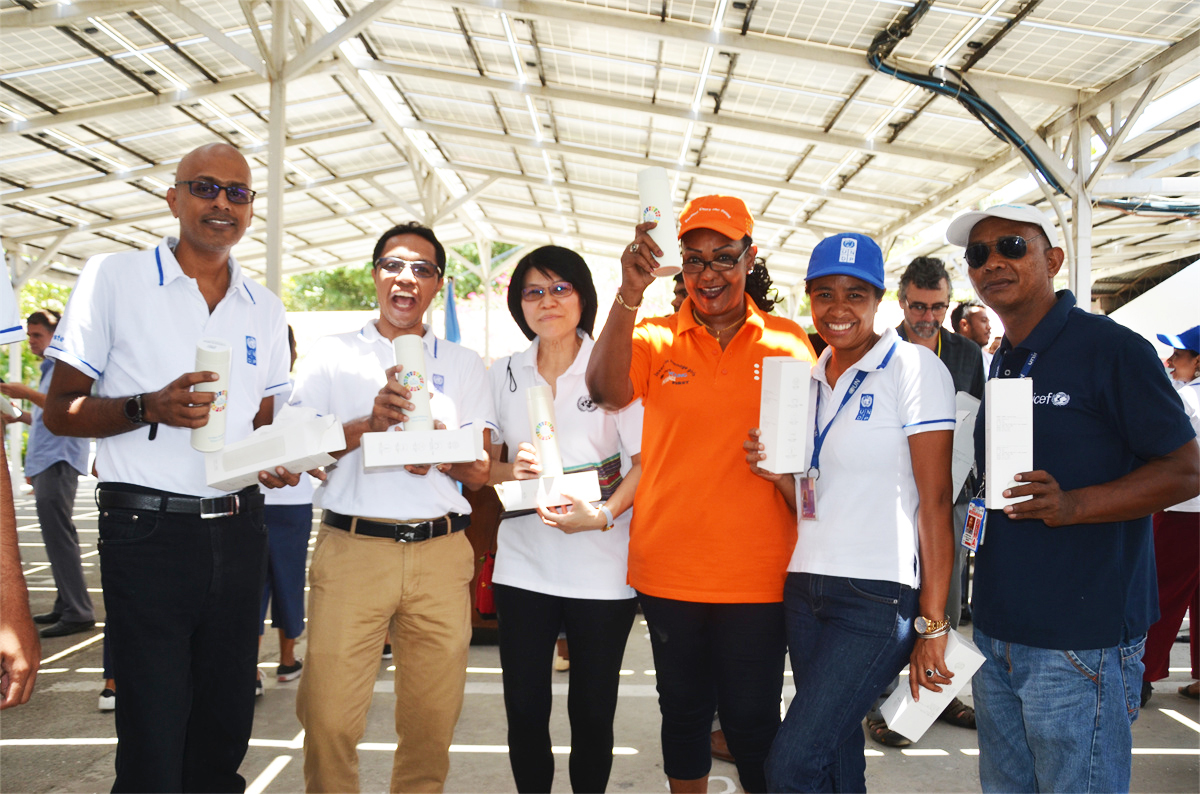
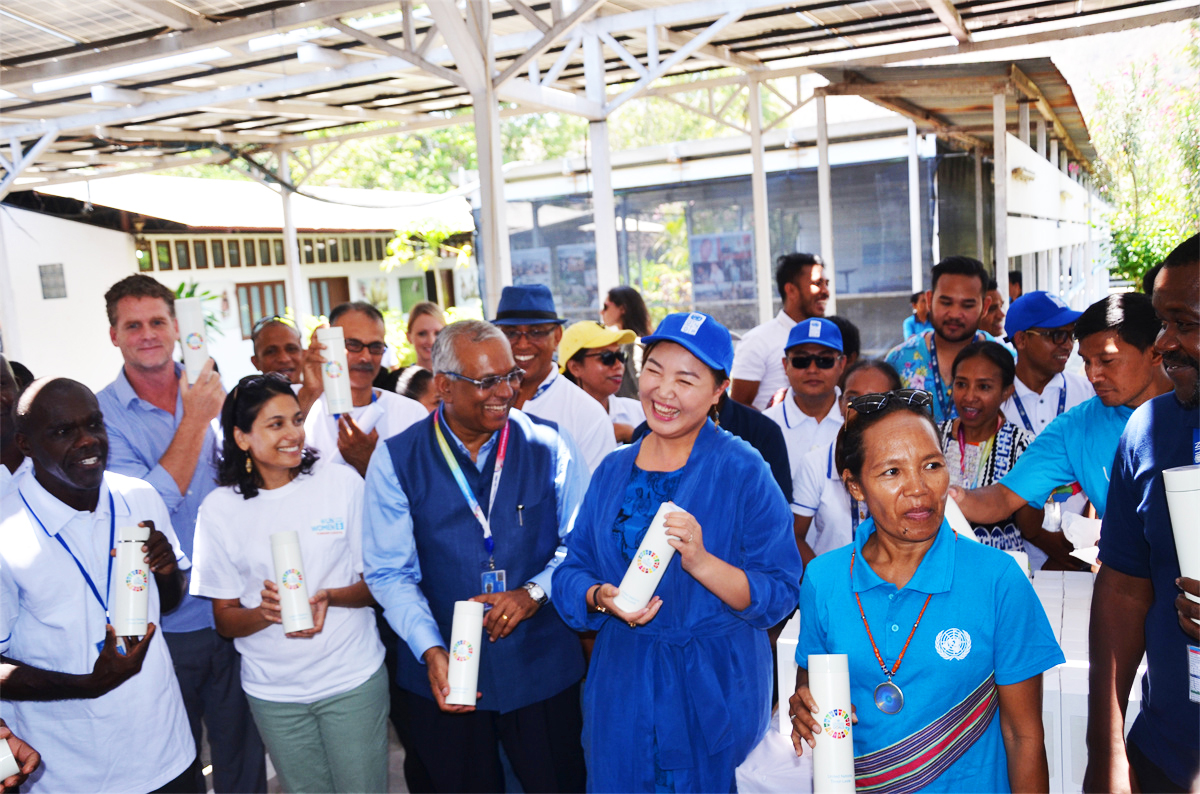
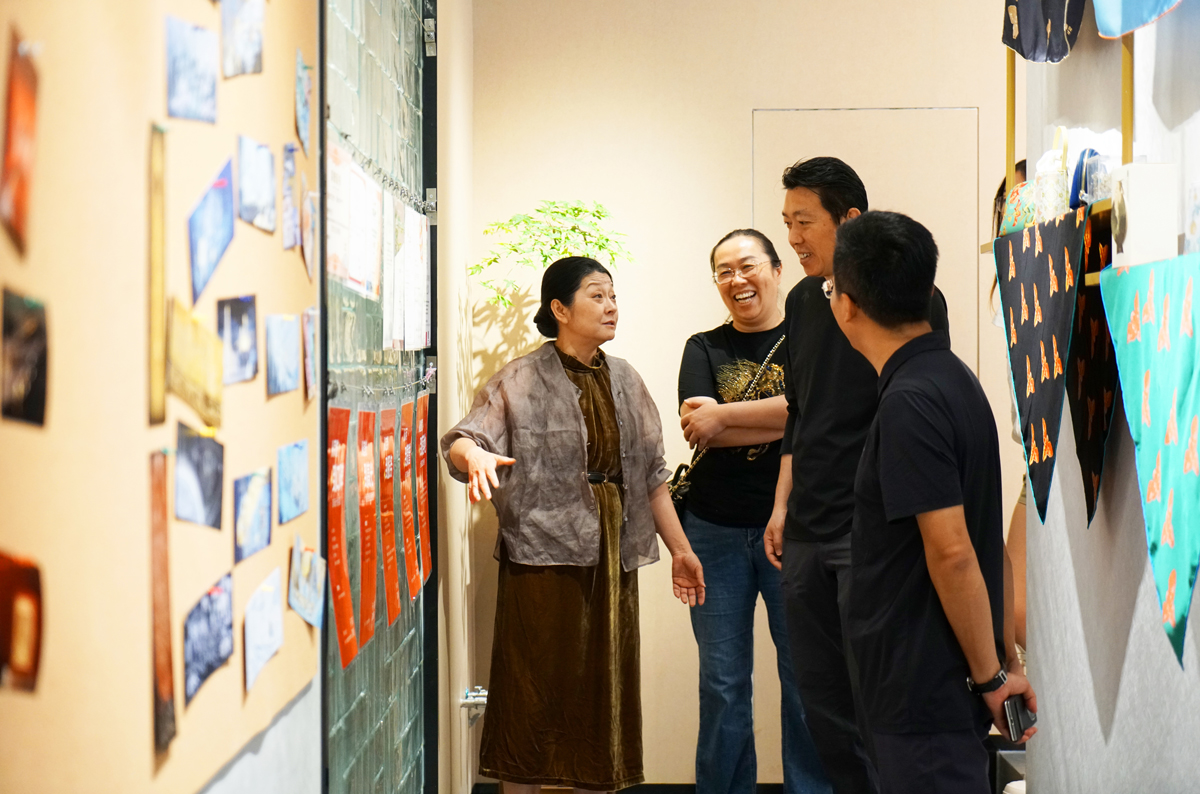

Explore our diverse customized manufacturing and promotional product offerings.
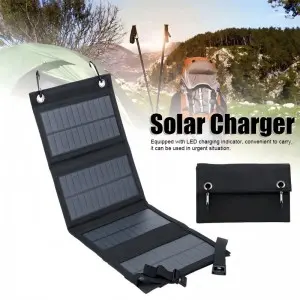
Green Power Sustainable Solutions: Recycled Polyester Computer Bags, Recycled Polyester Handbags, Sustainable Materials Cups, Sustainable Notebooks, Recycled Aluminium Pens.
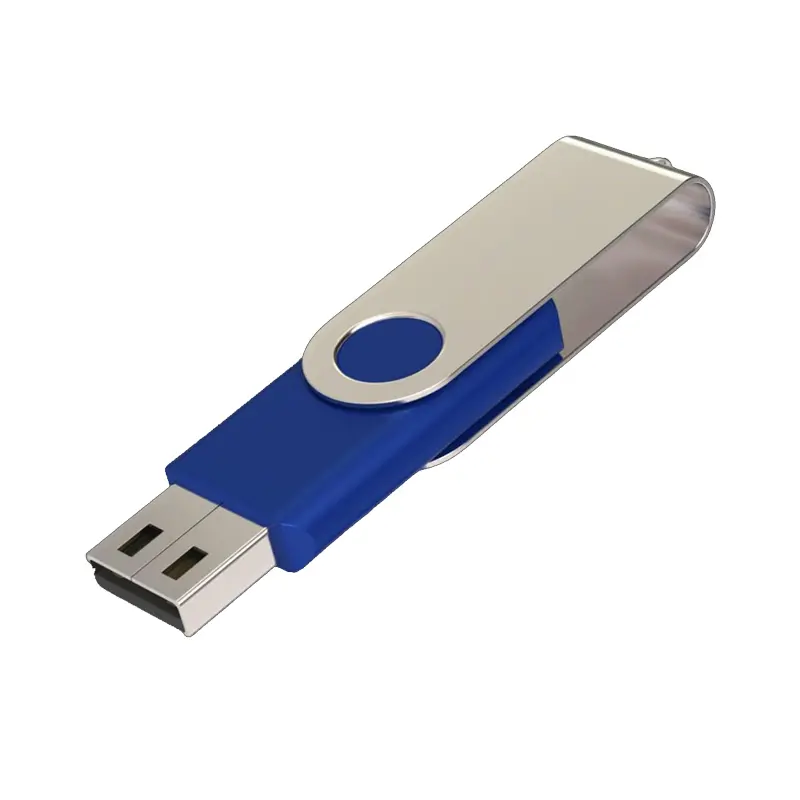
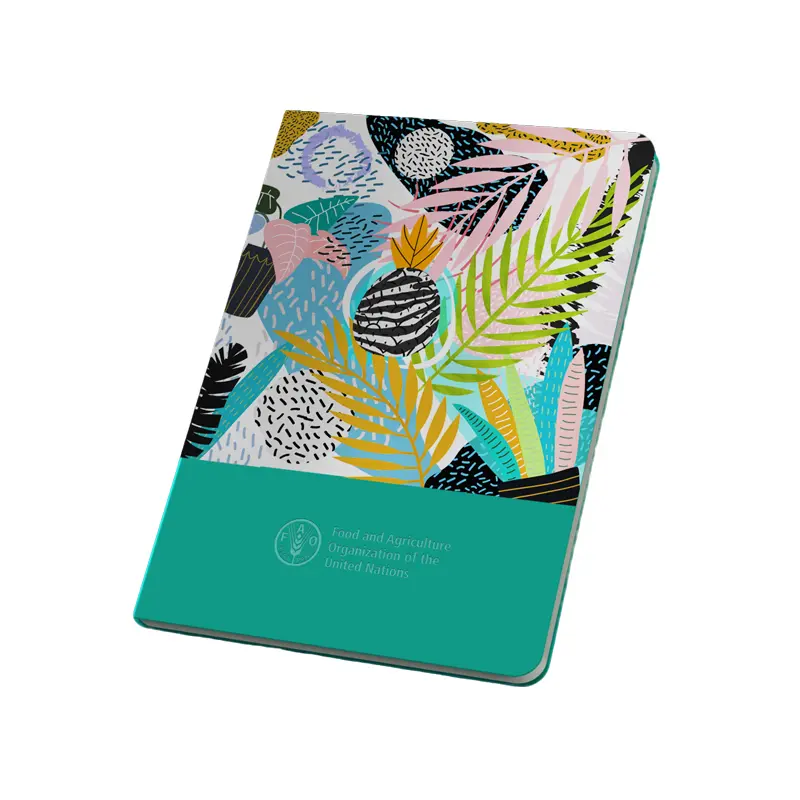
Swivel USB Flash Drives, Metal Memory Sticks (16G-128G), Plastic Credit Card Flash Disks, Branded Silicone Wristband USB Drives.
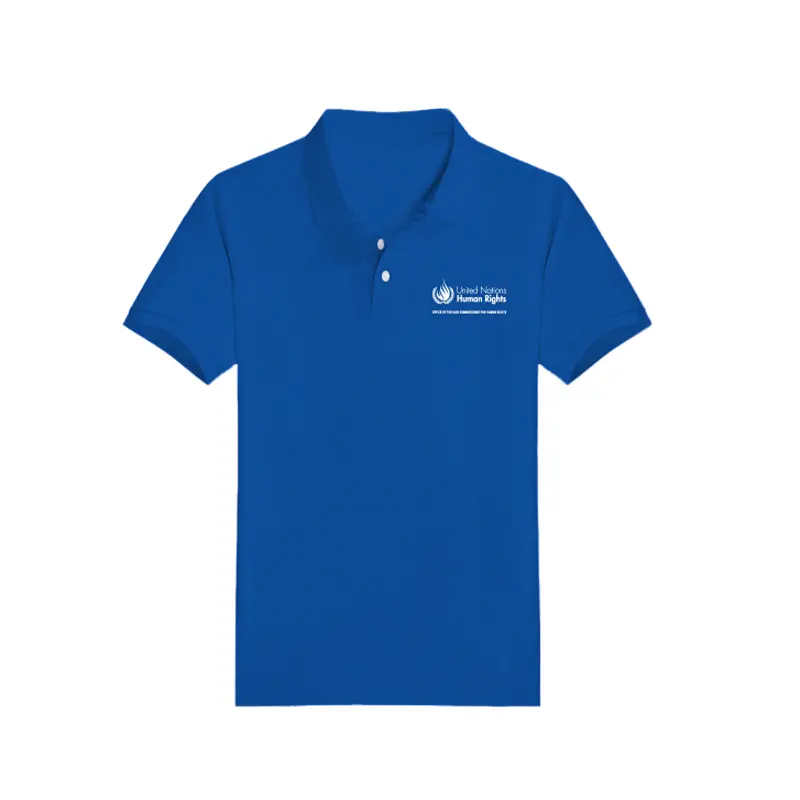
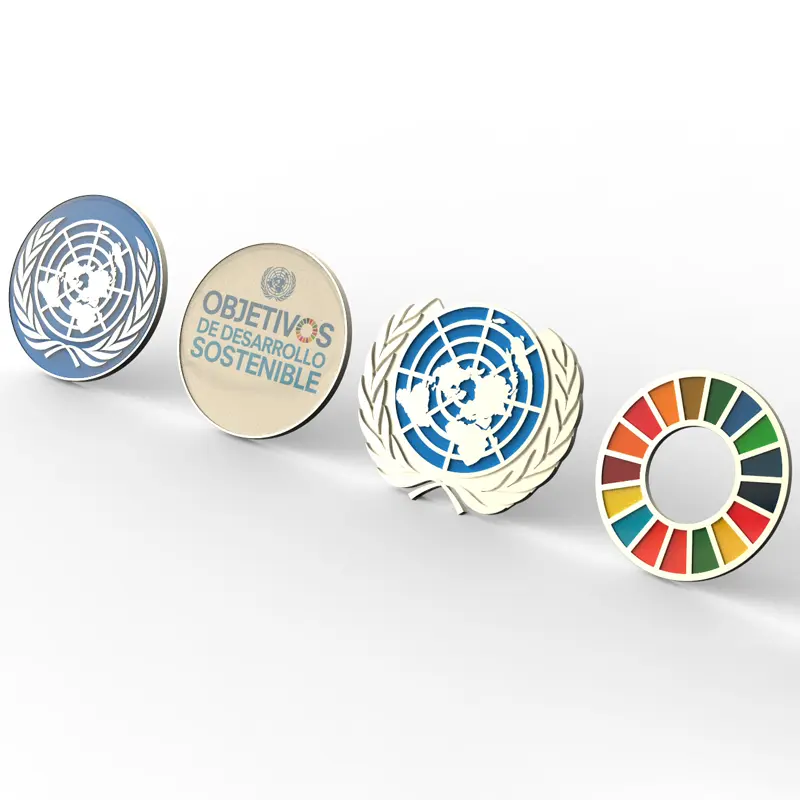
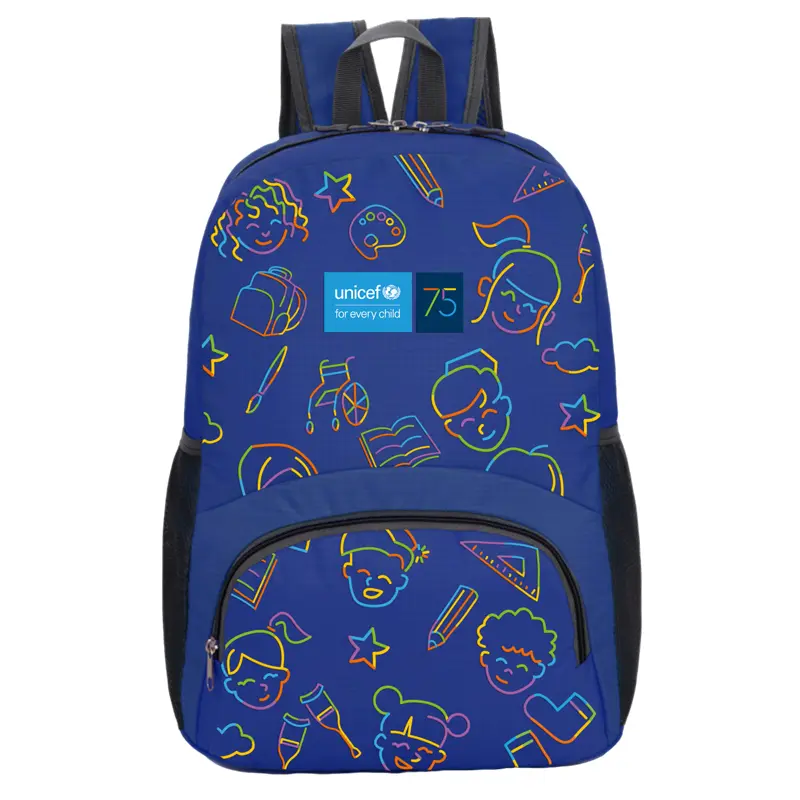
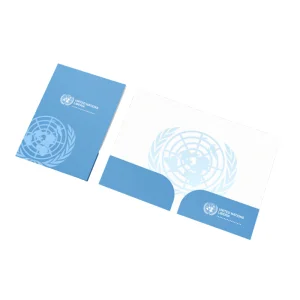
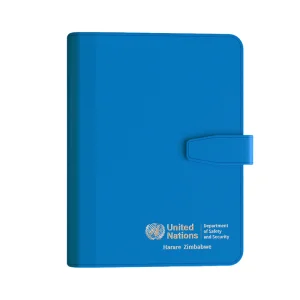
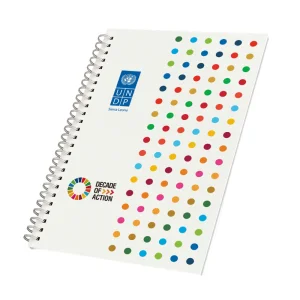
Creative Custom PU Leather Notebooks, Customized Logo Ballpoint/Gel Pens, File Folders, Custom Printed Spiral Diaries, Loose Leaf Journals.
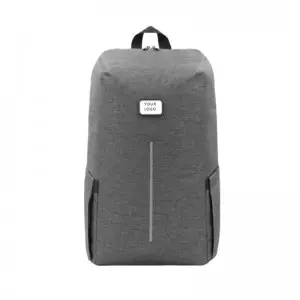
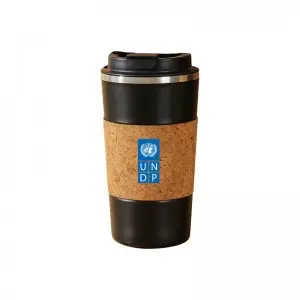
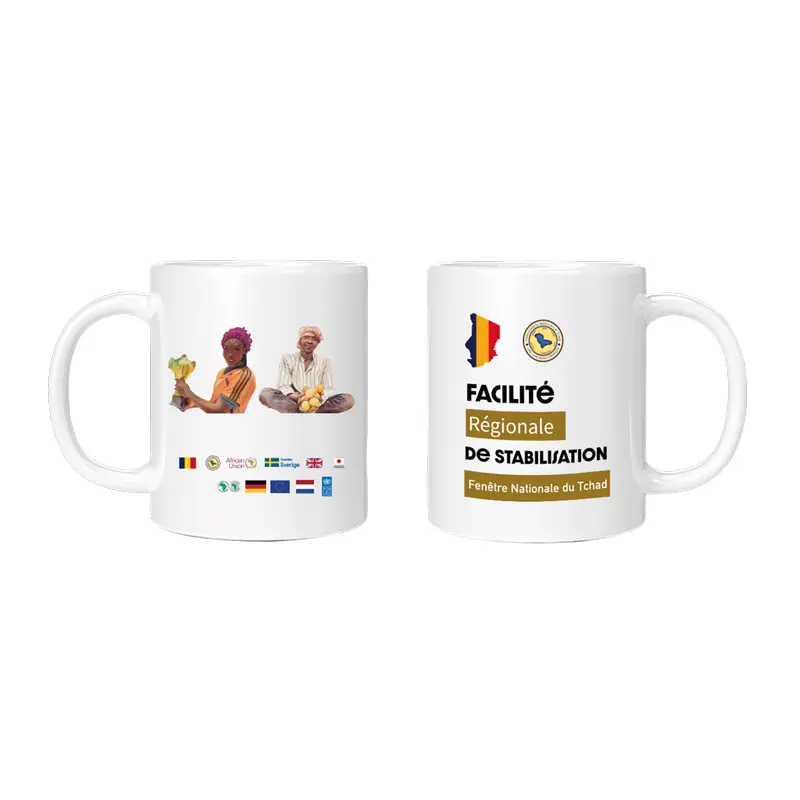
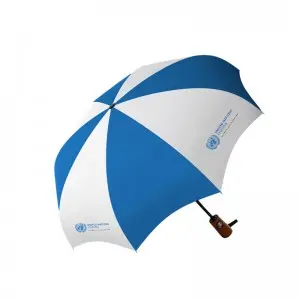
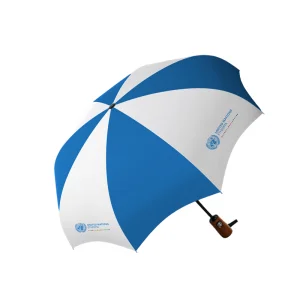
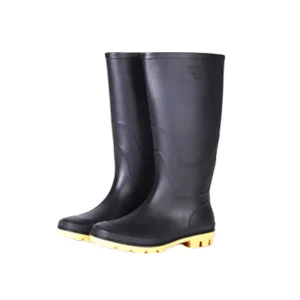
Customized Canvas Document Bags, SUS 304 Stainless Steel Vacuum Water Bottles, Sublimation Ceramic Mugs, Golf/Foldable Umbrellas, Professional Outdoor Rain Boots, Waterproof Backpacks.
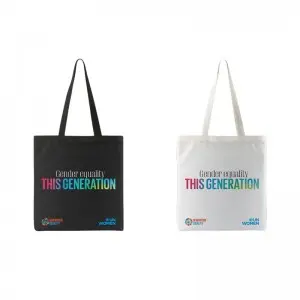
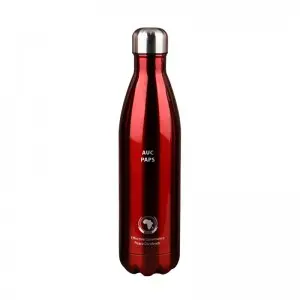
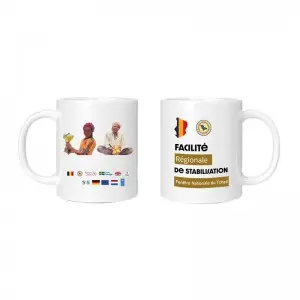
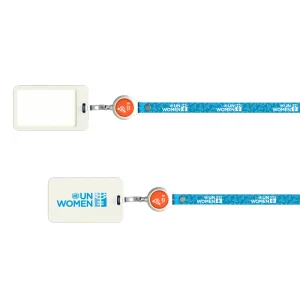
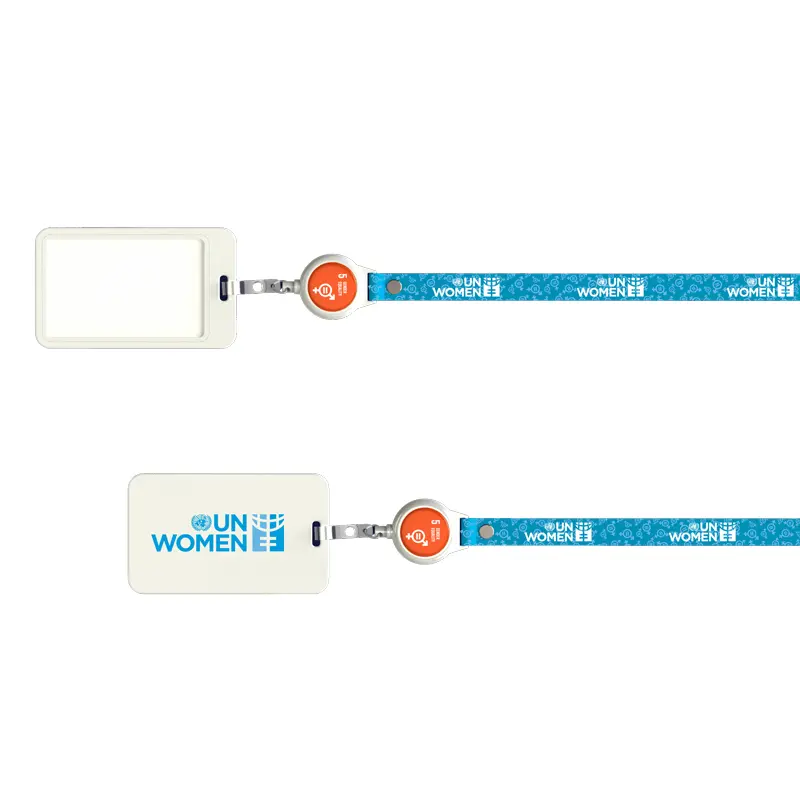
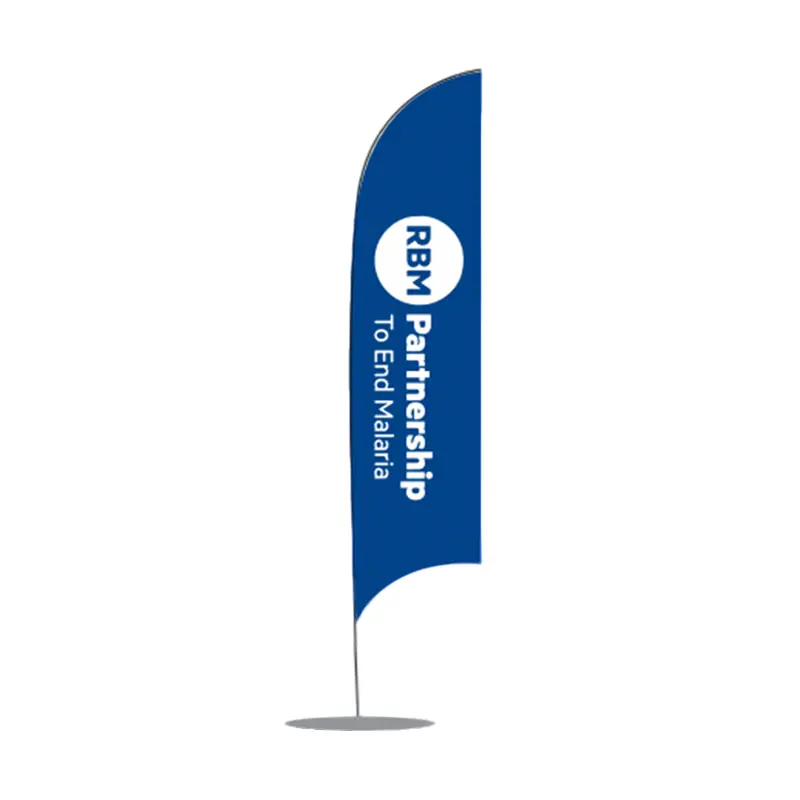
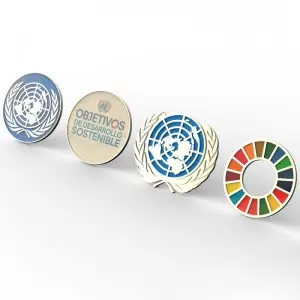
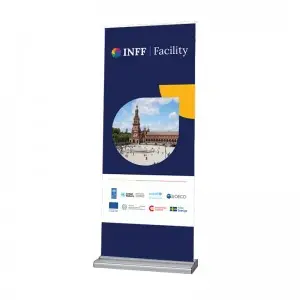
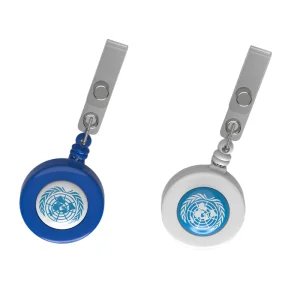
Enamel Lapel Pins, Pull-up Banners, Folding Display Stands, 100% Polyester Outdoor Feather Flags, Desktop Flags, Custom Keychains, Crystal Trophies, Elastic Badge Reels, Neck Lanyards.
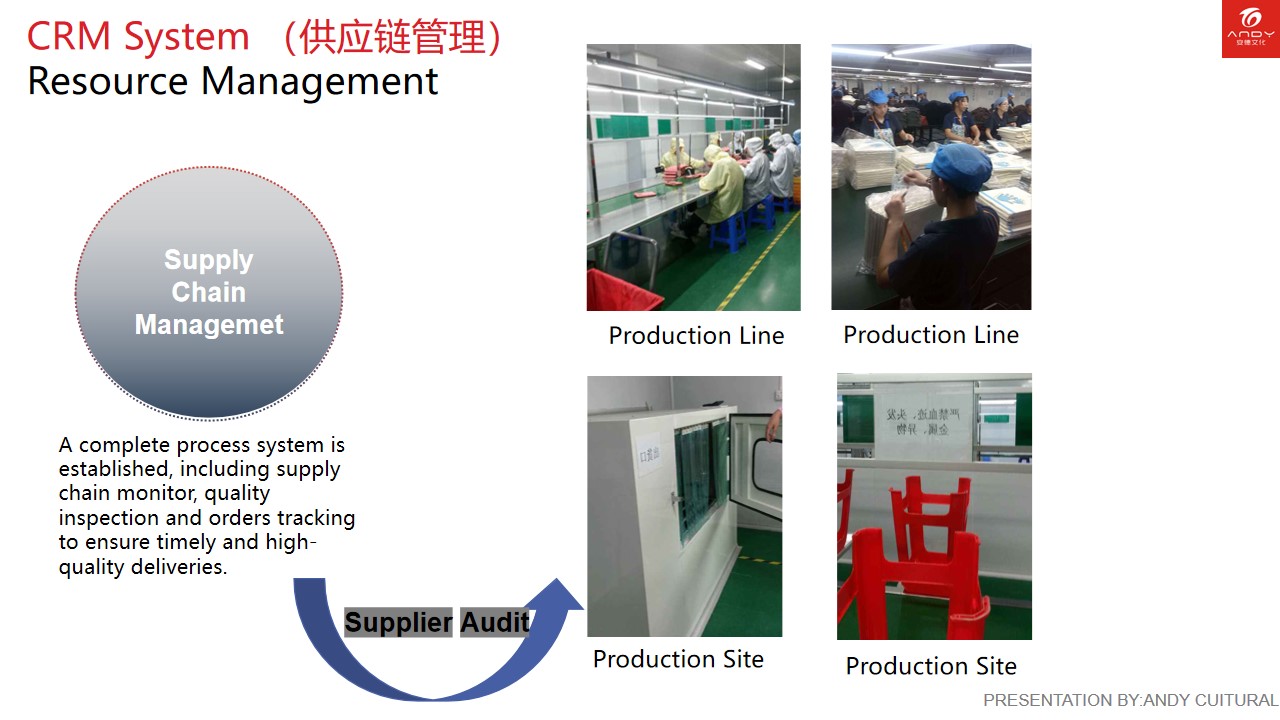
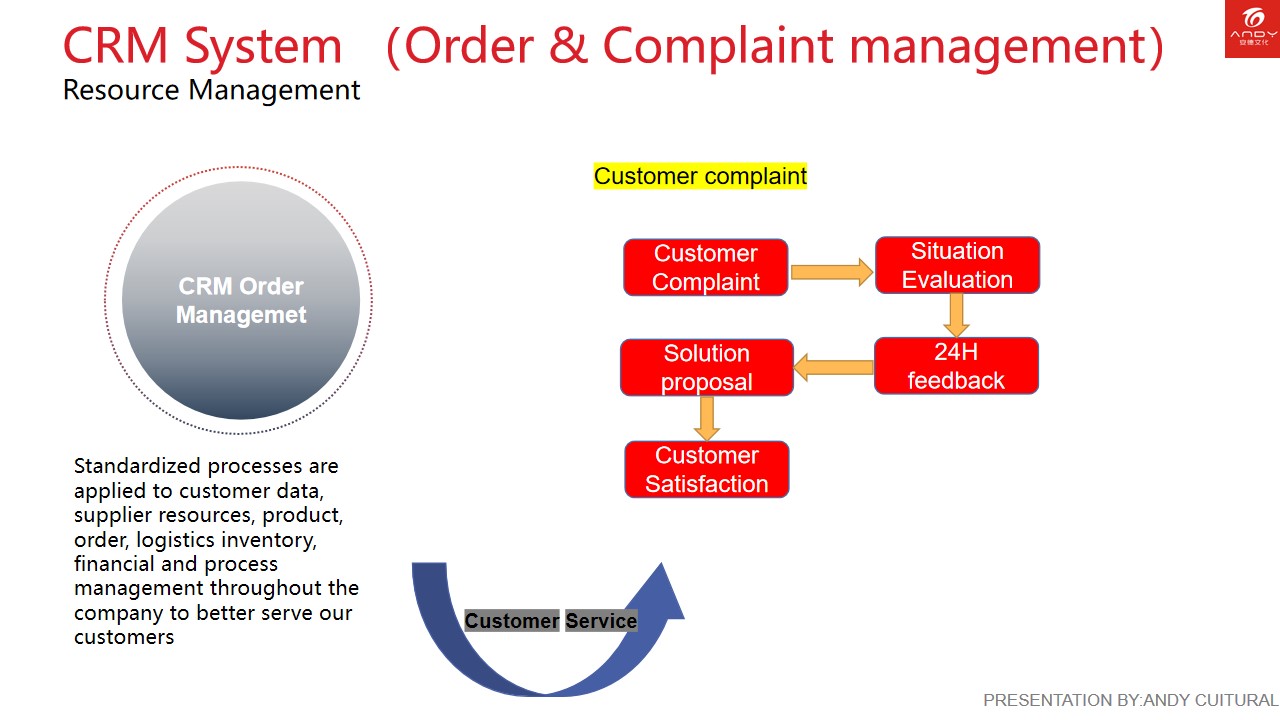
One-stop custom procurement, global trade negotiation, quality control audits, customized packaging, and international freight forwarding services.
Expert answers on technical specifications, international trade compliance, and procurement best practices.
LFMC (Liquid-Tight Flexible Metal Conduit) features an internal helically wound metallic core (galvanized steel or stainless steel) covered by a smooth polymer jacket, providing high mechanical strength, crush resistance, and EMI shielding. LFNC (Liquid-Tight Flexible Non-Metallic Conduit) utilizes a non-metallic continuous reinforcement wall embedded within PVC/TPU layers, offering maximum flexibility, lighter weight, and total immunity to metallic corrosion.
An IP68 rating is achieved through the integration of continuous, pinhole-free extruded jackets combined with specialized liquid-tight fittings. These fittings incorporate internal compression ferrules and elastomeric O-rings that clamp tightly onto the smooth outer jacket surface, preventing ingress of liquids under continuous submersion pressure.
UL 360 is the standard safety benchmark for liquid-tight flexible steel conduits in North America. It mandates precise physical dimensions, tensile strength tolerances, fault-current grounding capabilities (for trade sizes 3/8" through 1-1/4" containing internal copper bonding wires), and rigorous flame-retardant properties required by National Electrical Code (NEC) inspectors.
Yes. Chinese exporters offer customized jacket formulations, including low-temperature PVC rated for -50°C alpine environments, high-temperature polyurethane (PUR) rated up to +125°C, or specialized silicone polymers engineered to withstand continuous operating temperatures up to +150°C in foundry and heavy industrial automation applications.
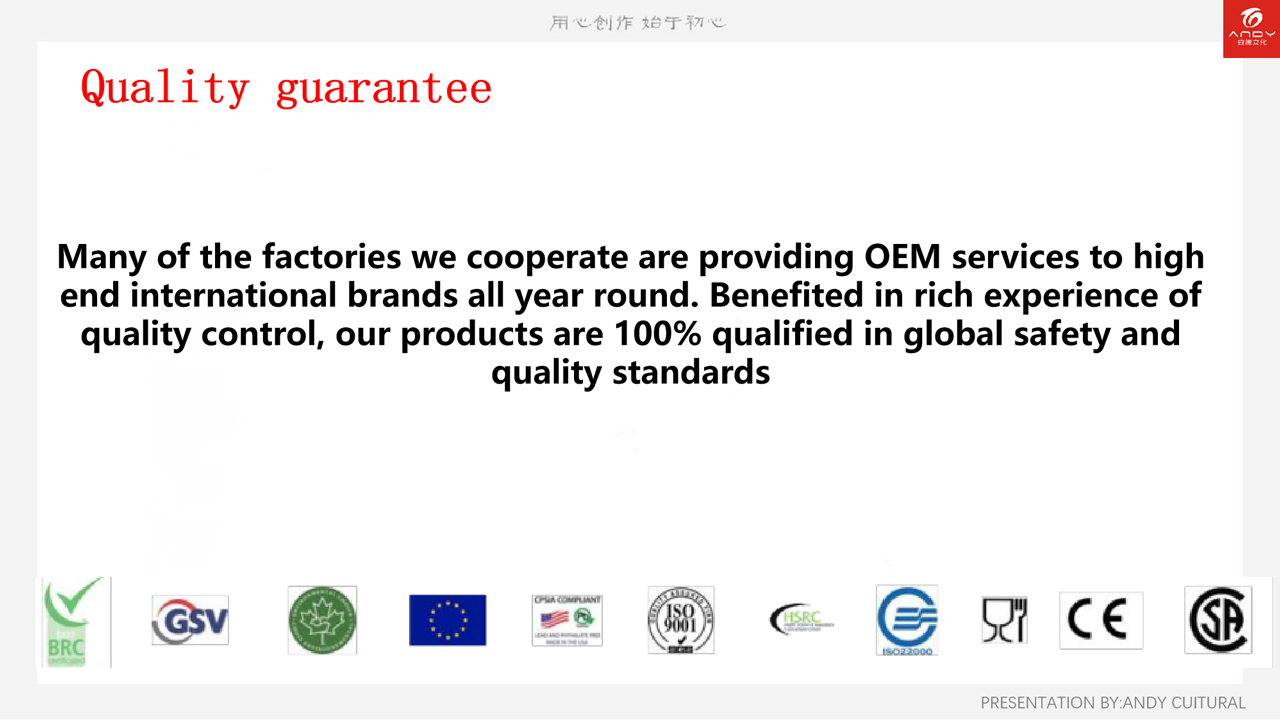
Our export supply chain operates under strict ISO 9001 Quality Management System and ISO 14001 Environmental Management System standards. Furthermore, our enterprise credentials include registration as a United Nations Global Marketplace Vendor (#257976), ensuring global compliance, ethical sourcing, and operational accountability.
Export conduit shipments are wound onto heavy-duty wooden or plastic spools, shrink-wrapped in moisture-proof protective films, and secured inside reinforced corrugated master cartons or steel-banded wooden crates to prevent crush damage during multi-modal maritime transport.
Explore additional specialized lines available for international bulk procurement.
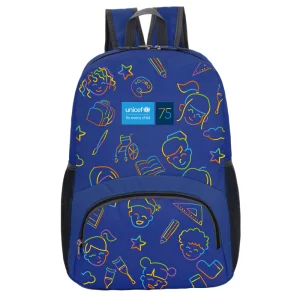
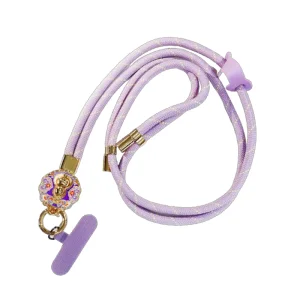
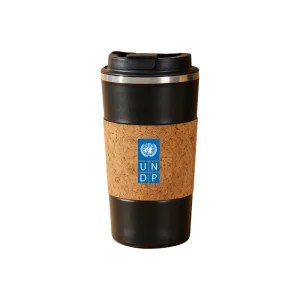
 Andy Culture