Engineered for global procurement standards, high structural resilience, and long-term performance.
An authoritative analysis on structural steel deck utilization across modern high-rise architecture, logistics hubs, and heavy industrial infrastructures.
The global construction sector is experiencing a monumental transition toward rapid, modular, and high-strength-to-weight structural framing. Central to this structural evolution is metal decking—specifically corrugated cold-formed steel sheets engineered to act as composite floor slabs or structural roof systems. As commercial real estate developers and industrial EPC (Engineering, Procurement, and Construction) contractors prioritize shorter build cycles, superior structural diaphragms, and seismic resilience, sourcing from leading China Metal Decking Suppliers has become a vital strategic advantage.
Modern steel decks serve a dual purpose: during the construction phase, they provide a safe, immediate working platform and function as permanent formwork for poured concrete. During the operational phase, composite metal decks interface dynamically with cured reinforced concrete via mechanical embossments, forming a unified load-bearing composite slab system that radically diminishes overall dead loads while enhancing diaphragm shear capacity.
China has established itself as the epicenter of advanced metallurgical processing and cold-roll-forming technology. Sourcing metal decking from tier-one Chinese manufacturers ensures access to high-grade structural steels (such as ASTM A653, S350GD, and S550GD) manufactured under stringent metallurgical controls. The integration of continuous hot-dip galvanizing lines allows Chinese suppliers to deliver zinc coatings ranging from Z120 (120 g/m²) to Z275 (275 g/m²), alongside highly corrosion-resistant Zinc-Aluminum-Magnesium (ZAM) coatings tailored for harsh coastal and industrial environments.
Deciphering structural geometry, load-bearing physics, and material selection for high-performance decking applications.
Engineered with precise interlocking flutes and rolled side embossments. Upon pouring and curing concrete over the decking, the mechanical bond prevents vertical separation and horizontal slippage between steel and concrete, transforming the unit into a composite flexural slab.
Functioning purely as ultra-strong stay-in-place permanent formwork for concrete slabs. Form decks do not bond mechanically to composite concrete, making them ideal for floor systems where reinforced concrete spans independently between structural framing members.
Designed to span between structural steel joists or purlins, providing a rigid substrate for rigid insulation, built-up roofing, and waterproofing membranes. Roof decks are optimized for high diaphragm shear strength to withstand severe wind uplift.
The technological trajectory of metal decking manufacturing, driven by BIM digitization, high-strength metallurgy, and carbon reduction mandates.
Modern structural steel erection relies on Building Information Modeling (BIM) to eliminate field re-work. Advanced Chinese metal decking suppliers are integrating direct-from-BIM automated roll-forming equipment. CNC-guided cold forming allows precise factory pre-punching, custom cut-to-length sheet production, and automated bundle labeling corresponding directly to 3D BIM erection drawings (LOD 400 specification).
While traditional galvanizing (Z275) remains the standard, extreme environmental applications are driving the adoption of Zinc-Aluminum-Magnesium (ZAM) coatings. ZAM coatings provide up to 3x greater corrosion resistance in coastal or chemical processing facilities, featuring unique self-healing cut-edge protection properties.
Environmental Product Declarations (EPDs) are now required for major LEED-certified projects. Chinese manufacturers are leveraging scrap-based Electric Arc Furnace (EAF) steel production and low-carbon green hydrogen steelmaking initiatives to significantly lower the Embodied Carbon footprint of structural decks, satisfying international green building standards.
To meet complex acoustic requirements in modern office spaces and auditoriums, manufacturers are producing perforated cellular roof and floor decks. These integrate acoustic insulation ribbons within the deck flutes to achieve superior Sound Absorption Coefficients (SAC) without sacrificing structural integrity.
Tailored structural deck configurations for specialized commercial, logistics, and infrastructural environments.
Solution: Deep composite metal deck profiles combined with high-strength concrete and Nelson shear connectors.
Impact: Reduces overall building dead load, allowing slimmer column and foundation design while accelerating vertical construction speed by up to 30%.
Solution: Wide-rib structural roof decks (Type B) engineered for large purlin spans and solar panel load additions.
Impact: Minimizes intermediate structural steel columns, maximizing usable indoor volumetric storage capacity for automated retrieval systems.
Solution: Heavy-gauge galvanized decks coated with anti-static and anti-microbial cleanroom-grade polymer finishes.
Impact: Prevents micro-particulate shedding and supports high point-loads from concentrated server racks and HVAC systems.
Over 30 years of manufacturing excellence, certified operations, and global trade credibility.
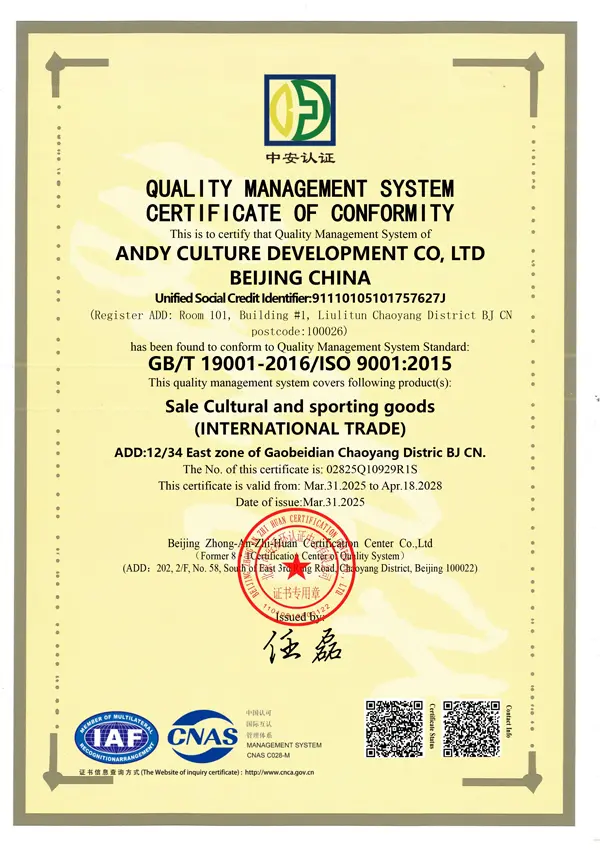
Established in 1995, Beijing Andy Culture Development Co., Ltd. (Andy Culture) brings 30 years of professional expertise in custom branded visibility materials, technical supply chain management, structural solutions, and creative cultural gifts. As a fully qualified foreign trade import and export enterprise, we operate under rigorous quality and environmental governance systems, holding official ISO 9001 and ISO 14001 certifications.
Customer-oriented and quality-driven is our consistent operating principle. Our core team consists of over 20 senior experts in structural design, metallurgical quality control, international logistics, and global procurement. We deliver end-to-end, one-stop services for international clientele spanning Asia, Europe, Africa, and Latin America.
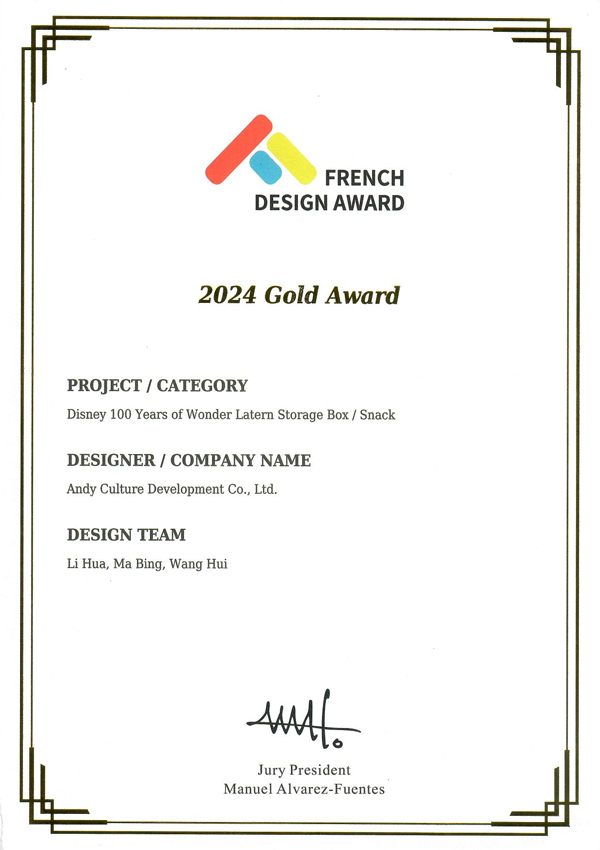
Our commitment to compliance, quality assurance, and ethical trade is reinforced by prestigious international credentials:
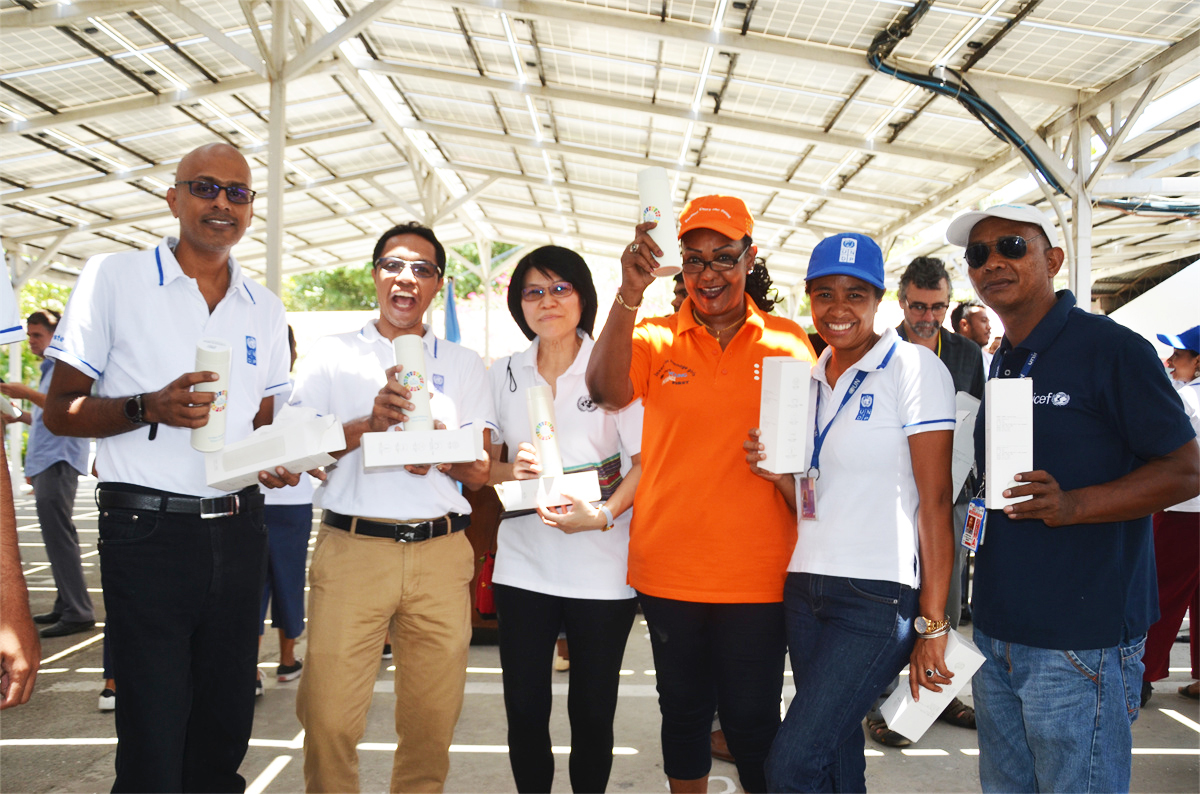
Documented global operational presence, technical exhibitions, and verified credential documentation.
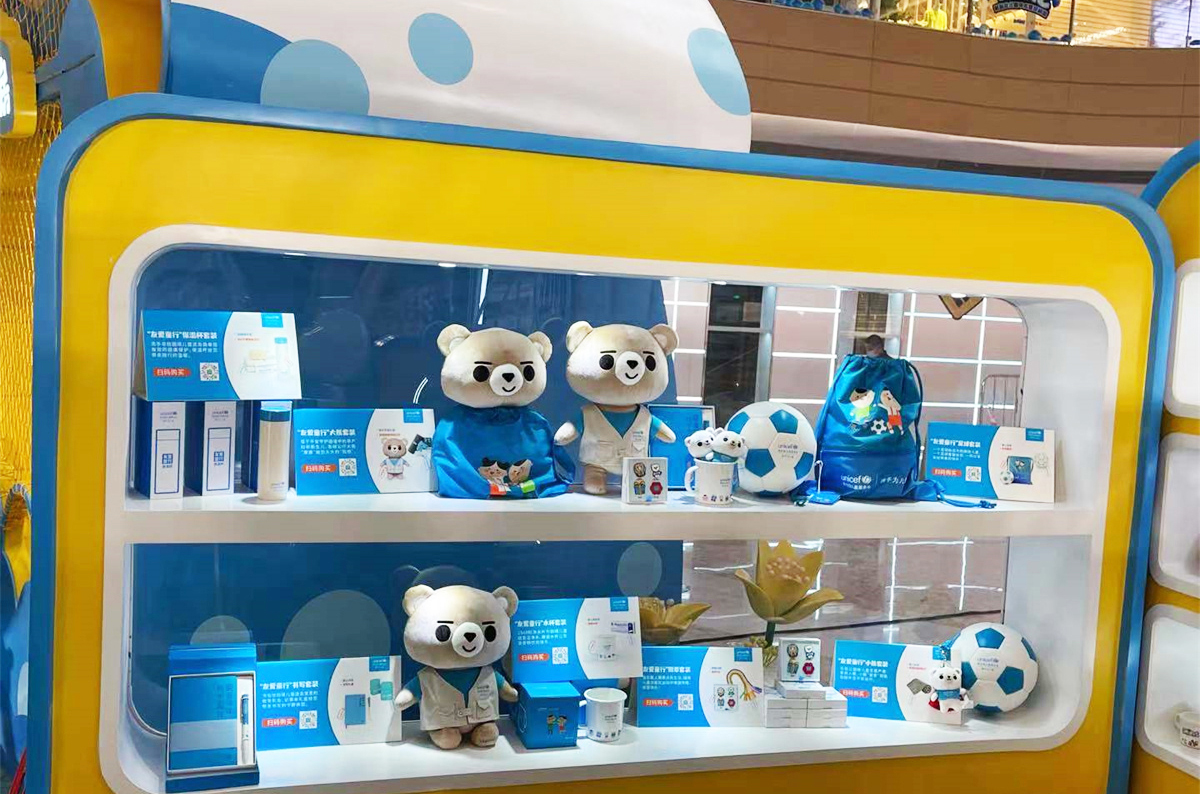


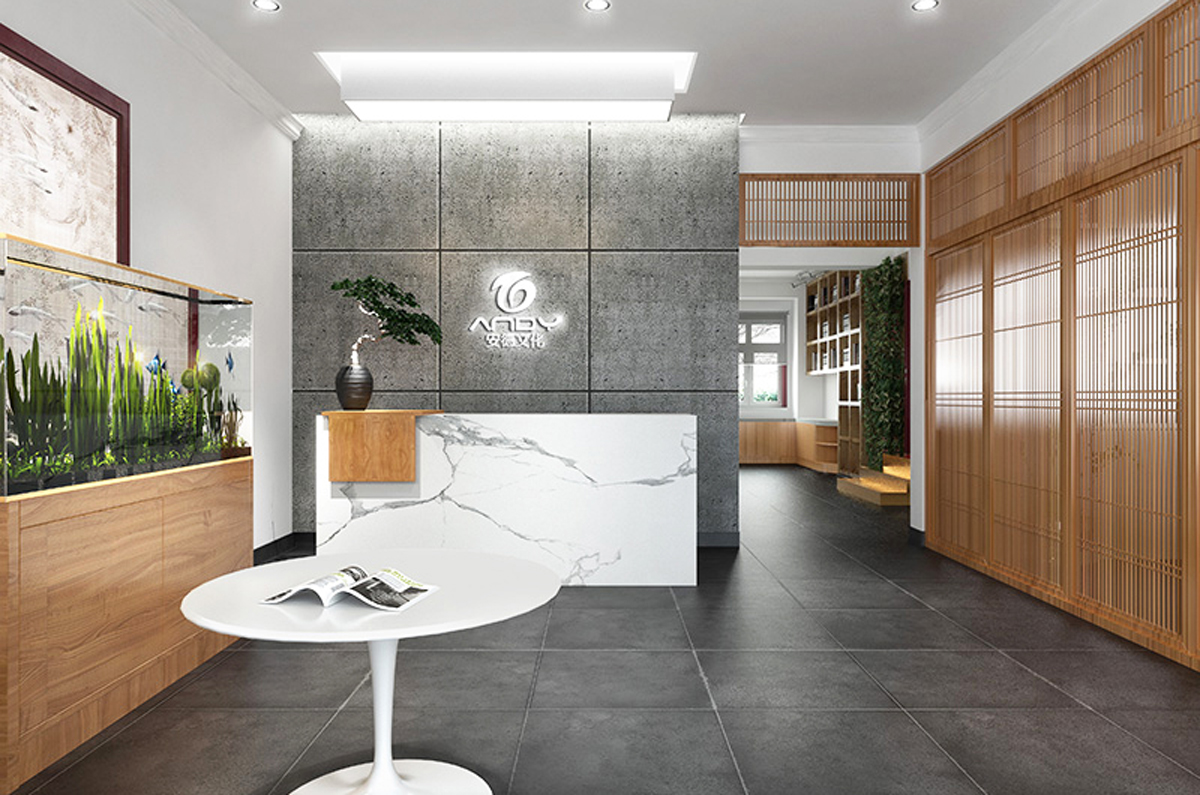

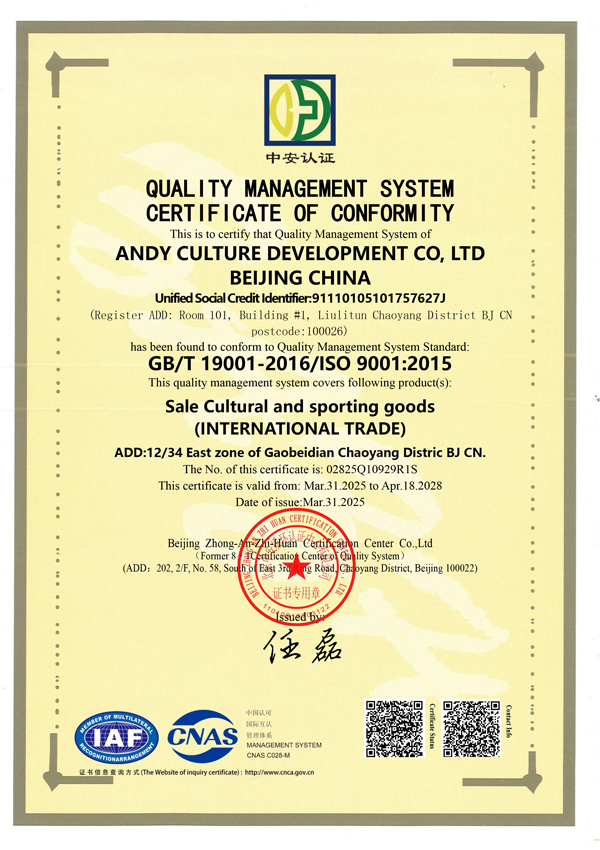
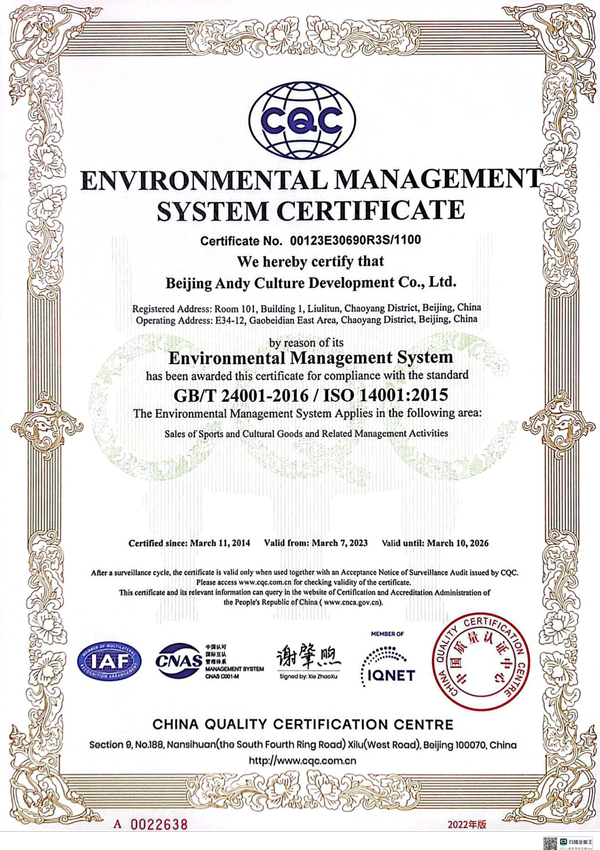

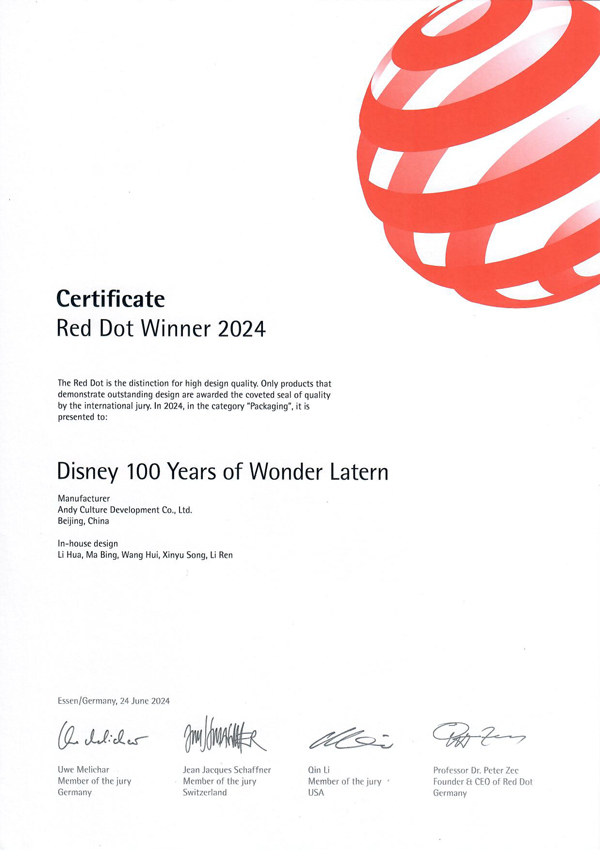
An overview of our enterprise divisions, specialized material groups, and commercial product lines.
Green Power Sustainable Solutions, Recycled Polyester Computer Bags & Handbags, Sustainable Material Cups, Eco Notebooks, and Recycled Aluminium Pens designed for circular economic impact.
Swivel USB Flash Drives, Silver Metal Pen Drives (16G–128G), Custom Credit Card Flash Disks, and Branded Logo Silicone Wristband USB Sticks engineered for data accessibility.
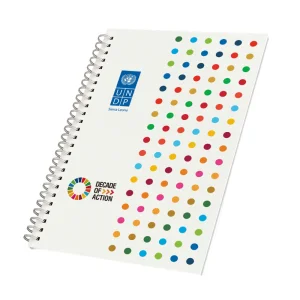
PU Leather Journal Notebooks with Elastic Straps, Customized Metal Ballpoint/Gel Pens, Customized Folders, Spiral Diaries, and Loose Leaf PU Leather Executive Journals.
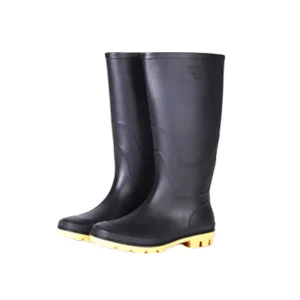
Custom Logo Canvas Shopping Bags, Double Wall SUS 304 Stainless Steel Vacuum Bottles (BPA Free), 11oz 3A Sublimation Ceramic Mugs, Foldable Golf Umbrellas, and Waterproof Outdoor Rain Boots.
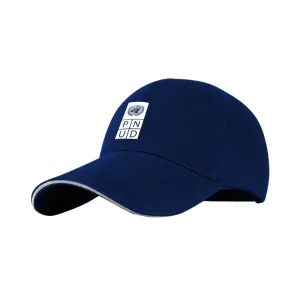
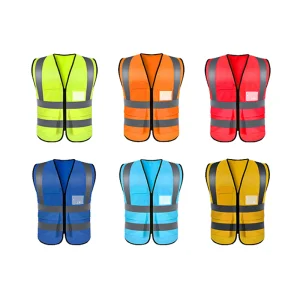
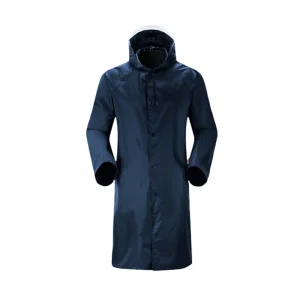
High-Visibility Road Safety Vests with Reflective Strips, 100% Cotton Polo Shirts, Custom Embroidery 5/6-Panel Baseball Caps, Outdoor Cargo Fishing/Photography Vests, and Windproof Hoodies.
Soft & Hard Metal Enamel Lapel Pin Badges (SDG/Custom), Pull-up Banners, Folding Display Stands, 100% Polyester Feather Flags, Desktop Flags with Gold Stands, and Custom Crystal Trophies.
In-depth answers addressing structural design, procurement protocols, and quality standards for metal decking sourcing.
Composite metal decks feature cold-rolled embossments (dimples or flutes) along their vertical webs. When concrete is poured over the deck, it hardens around these embossments, establishing a mechanical shear interlock. This prevents horizontal shear slip between the steel and concrete, allowing the metal deck to act as the primary positive bending tensile reinforcement for the slab system.
For standard interior commercial environments, a G60 to G90 zinc coating (equivalent to Z180 to Z275 under EN/ISO standards) provides adequate protection. For high-humidity environments, coastal applications, or industrial facilities exposed to corrosive vapors, specifying Z275 galvanizing or Zinc-Aluminum-Magnesium (ZAM) coatings is strongly recommended to ensure multi-decade durability.
Tier-one Chinese metal decking suppliers offer advanced roll-forming machinery capable of processing high-yield structural steel grades (such as S350 and S550) with tight profile tolerances. Additionally, integrated domestic steel manufacturing allows Chinese suppliers to deliver factory pre-cut lengths, precise pre-punched utility openings, and complete quality traceability (MTRs) at highly competitive cost structures.
Composite metal deck and slab assemblies are rigorously tested under ASTM E119 and EN 1365-2 fire exposure standards. Fire resistance ratings (typically ranging from 1 to 3 hours) are achieved through a combination of concrete slab thickness, lightweight concrete formulations, and supplemental temperature-reinforcing steel mesh or structural fibers placed within the concrete deck topping.
Yes. Factory cold-roll-forming lines can be set to produce continuous metal deck sheets customized directly to structural layout plans. Cutting deck sheets to exact jobsite dimensions minimizes field trimming, significantly reduces material waste, and accelerates structural installation schedules.
Diaphragm shear strength is determined by deck profile geometry, steel yield strength, gauge thickness, and the specific fastener attachment pattern (such as puddle welds, mechanical screws, or power-actuated fasteners) connecting the deck to the supporting steel frame. Sourcing partners provide complete SDI (Steel Deck Institute) compliant diaphragm load tables for engineering design.
Explore our full operational catalog featuring sustainable power solutions, computer gear, and specialized apparel.
 Andy Culture