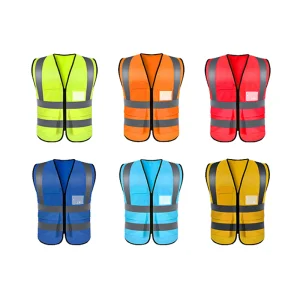
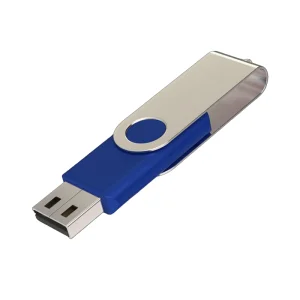
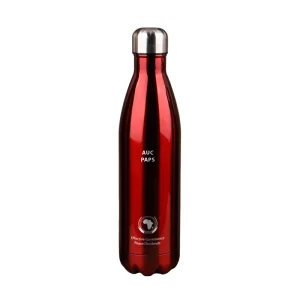
Explore our optimized custom manufacturing lines engineered for high-performance global applications.
30 Years of Uncompromising Quality, International Compliance, and Precision Engineering Execution.
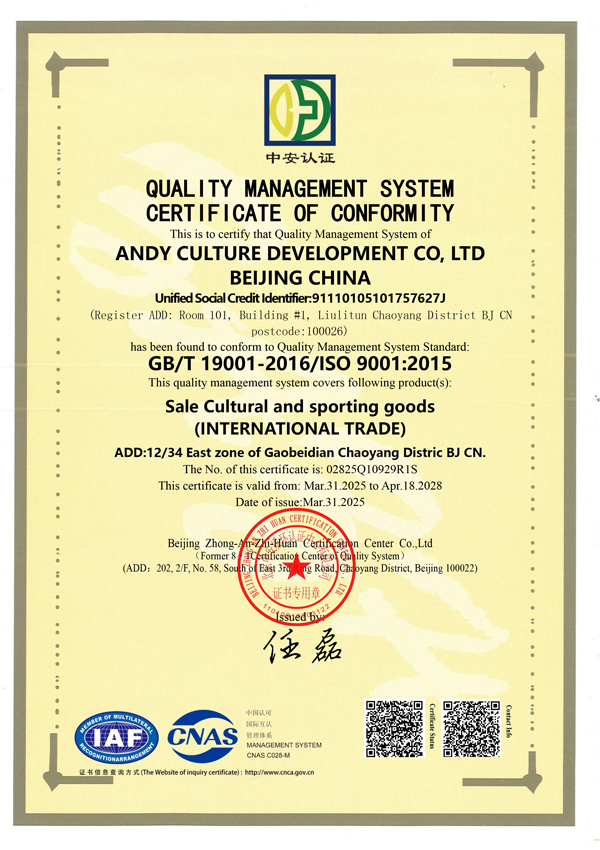
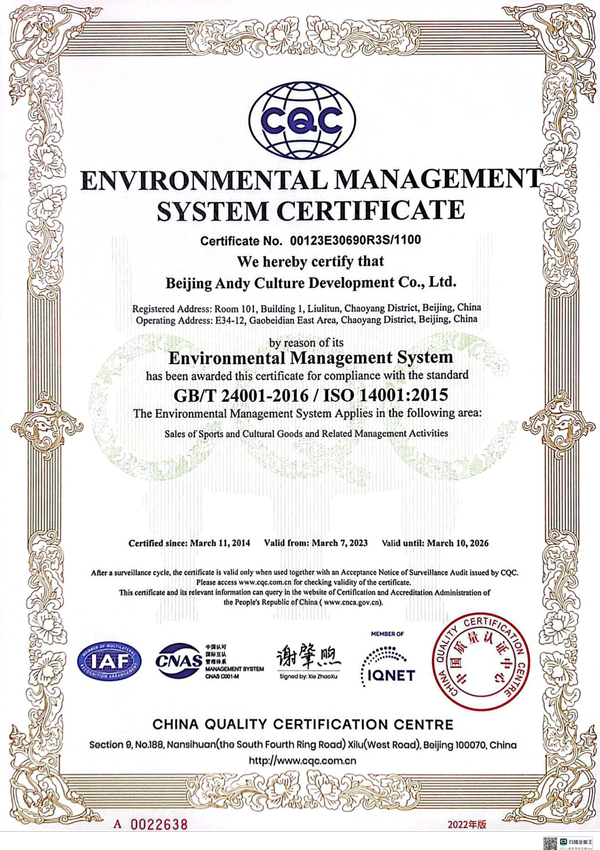
Founded in 1995, Beijing Andy Culture Development Co., Ltd. (Andy Culture) has established a 30-year operational footprint as a premier custom manufacturing exporter and global supply chain integrator. Holding qualified foreign trade import and export licenses alongside rigorous ISO 9001 Quality Management System and ISO 14001 Environmental Management System Certifications, Andy Culture delivers robust turnkey manufacturing solutions across Asia, Europe, North America, Africa, and Latin America.
Our operational model is rooted in deep customer orientation and quality assurance. Backed by a specialized team of over 20 senior technical experts in structural design, metallurgical quality control, international logistics engineering, and strategic procurement, we orchestrate end-to-end custom execution. From initial material formulation and prototype modeling to mass export clearance and final site delivery, our mission remains absolute: creating sustainable competitive advantage for global enterprises through superior material science and flawless execution.
Certified ISO 9001 & ISO 14001, UNGM Vendor #257976, LTA status with United Nations Development Programme (UNDP) and UNICEF China.
Legal foreign trade import/export operational credentials, including specialized Class II Medical Devices Operation and Packaged Food Operation licenses.
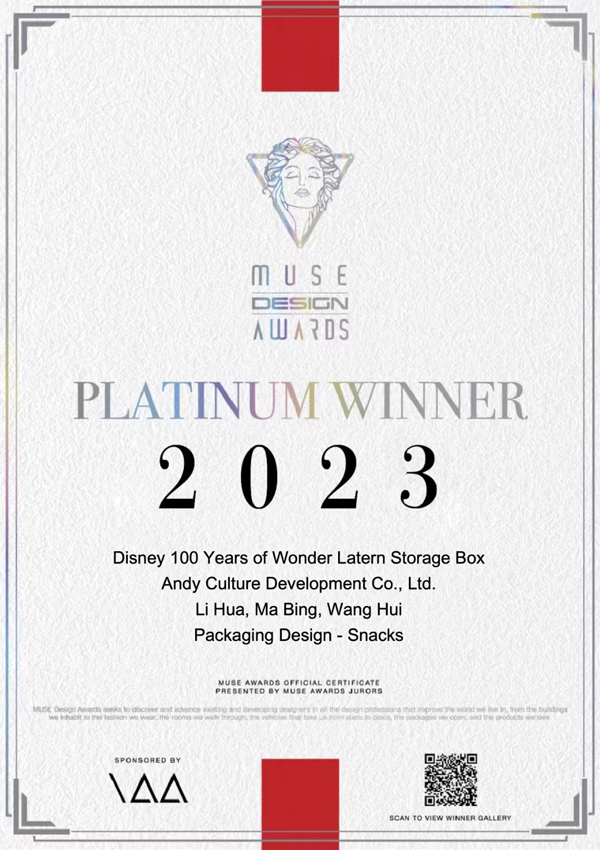
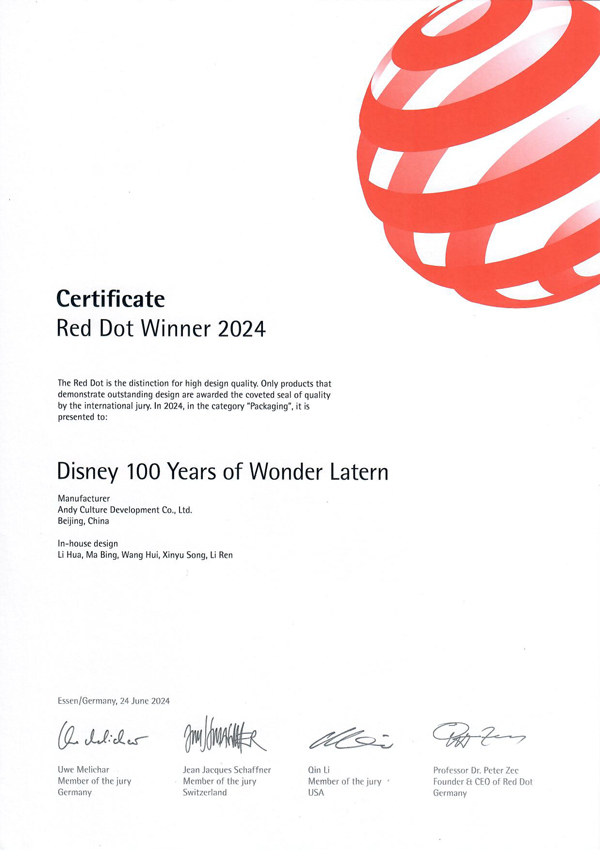
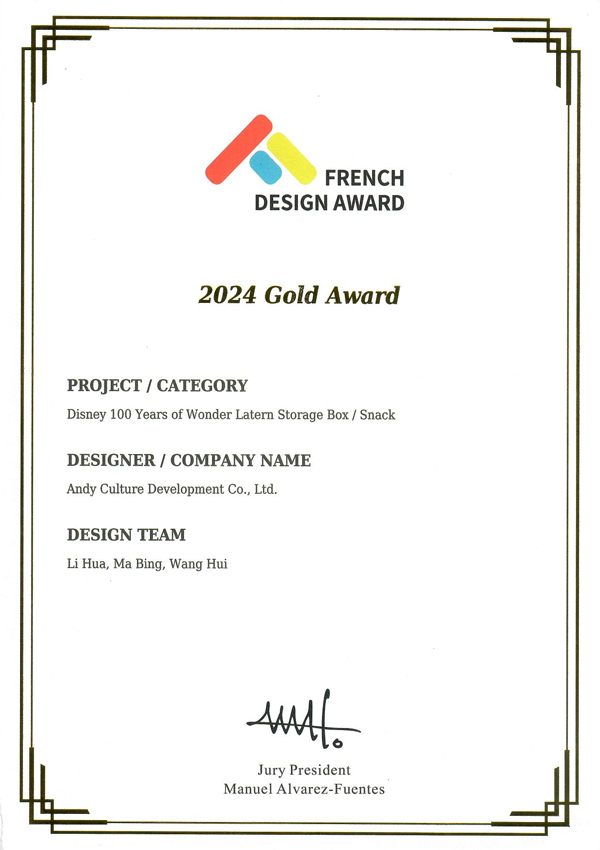
Recipient of prestigious international design honors including the MUSE Design Award and Red Dot Design Award, alongside Beijing Tourism & Culture Gold/Silver Awards.
Understanding the Structural Dynamics, Porosity Spectrum, and Kinetic Energy Attenuation of Custom Aluminum Foams.
Aluminum foam represents a revolutionary class of ultra-lightweight cellular metallic materials that merge the structural rigidity of solid metal alloys with the density profiles of structural polymers. Synthesized through gas injection blowing or melt-powder metallurgy, aluminum foam features a unique geometric topology consisting of interconnected or sealed metallic cells. The fundamental physical value of custom aluminum foam lies in its exceptional specific stiffness-to-weight ratio, controllable pore density (measured in PPI - Pores Per Inch), and total porosity spanning from 60% to over 95%.
From an engineering perspective, aluminum foam is categorized into two distinct morphological structures: Open-Cell Aluminum Foam and Closed-Cell Aluminum Foam. Open-cell variants exhibit continuous inter-cellular fluid networks ideal for thermal dissipation, fluid filtration, catalyst substrates, and acoustic dispersion. Conversely, closed-cell aluminum foams possess discrete sealed gaseous pockets, rendering them unparalleled energy absorbers for ballistic protection, crashworthiness barriers, acoustic insulation walls, and fire-resistant structural core panels.
| Physical Property | Closed-Cell Aluminum Foam | Open-Cell Aluminum Foam | Solid Aluminum (6061 Comparison) |
|---|---|---|---|
| Relative Density | 0.10 - 0.40 g/cm³ | 0.05 - 0.25 g/cm³ | 2.70 g/cm³ |
| Porosity Range | 60% - 90% | 75% - 95%+ | 0% |
| Energy Absorption Capacity | Ultra-High (Long Compressive Plateau) | Moderate (Elastic-Plastic Deformable) | Low (Immediate Buckling) |
| Acoustic Absorption Coefficient | 0.4 - 0.7 (with perforation) | 0.8 - 0.95 (direct wave penetration) | < 0.05 (Reflective) |
| Thermal Conductivity | 0.3 - 1.5 W/(m·K) (Insulating) | 5.0 - 25.0 W/(m·K) (Heat Dissipating) | 150 - 200 W/(m·K) |
| Fire Rating Class | A1 Non-Combustible (ISO 1182) | A1 Non-Combustible (ISO 1182) | Melts at ~660°C |
Global procurement teams across automotive OEM, aerospace, defense, and architecture sectors are aggressively transitioning to specialized porous aluminum matrices. Strategic sourcing leaders evaluate aluminum foam suppliers not merely on raw unit cost, but on full-lifecycle value creation. The integration of high-purity custom foam panels directly addresses critical industrial mandates: mass reduction in electric vehicles (EV) to extend battery mileage, structural crash protection in high-speed rail, noise vibration harshness (NVH) attenuation in building facades, and strict adherence to global zero-carbon mandates.
By leveraging custom net-shape manufacturing and automated CNC profile machining, Andy Culture minimizes post-processing scrap rates for enterprise importers. Our sustainable supply chain leverages 100% recyclable aluminum alloys, drastically lowering carbon tariffs under European CBAM (Carbon Border Adjustment Mechanism) guidelines while providing guaranteed batch-to-batch structural integrity.
Tailored Macro Solutions across Automotive, Architectural, Aerospace, and Defense Infrastructure.
Integrated closed-cell foam cores inserted within side-sills, bumper beams, and battery pack enclosures absorb severe kinetic impact forces through progressive plastic cell collapse, shielding critical battery modules from intrusion and thermal runaway risks.
Combining Class A1 non-combustible fire protection with dramatic visual texture, perforated aluminum foam wall claddings absorb low-to-mid frequency sound waves in modern auditoriums, subways, and high-rise exteriors without requiring toxic synthetic mineral wools.
Used as low-density structural core materials sandwiched between carbon fiber or titanium skins, lightweight metallic foam panels dramatically reduce vessel payload mass while maintaining structural rigidity against flexural bending fatigue and marine corrosion.
Engineered foam sandwich plates deform plastically under explosive shockwaves, dissipating high-amplitude stress waves and protecting tactical vehicles and armored structures from fragmentation and subterranean blast impulses.
Verifiable operational presence, trade participation, and manufacturing infrastructure.
Andy Culture actively participates in global industrial manufacturing expos, advanced material forums, and international trade exchanges, expanding technical trade relationships across continents.
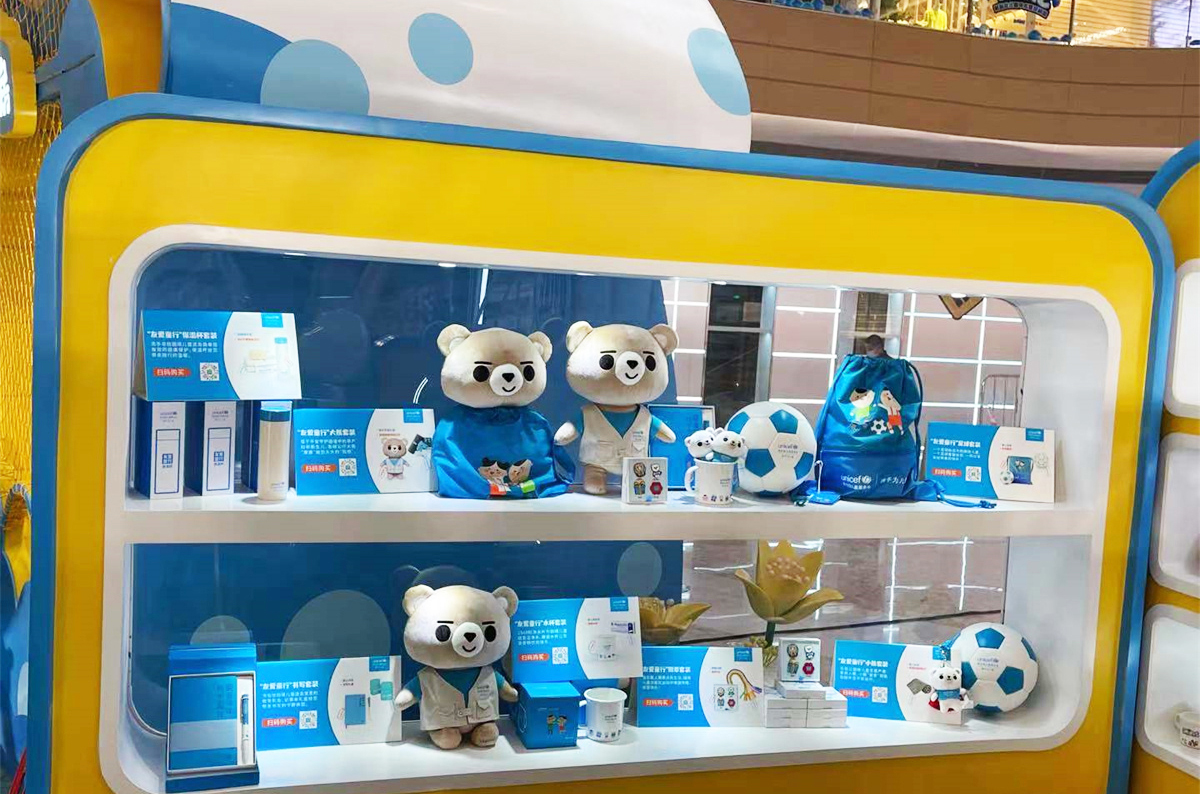
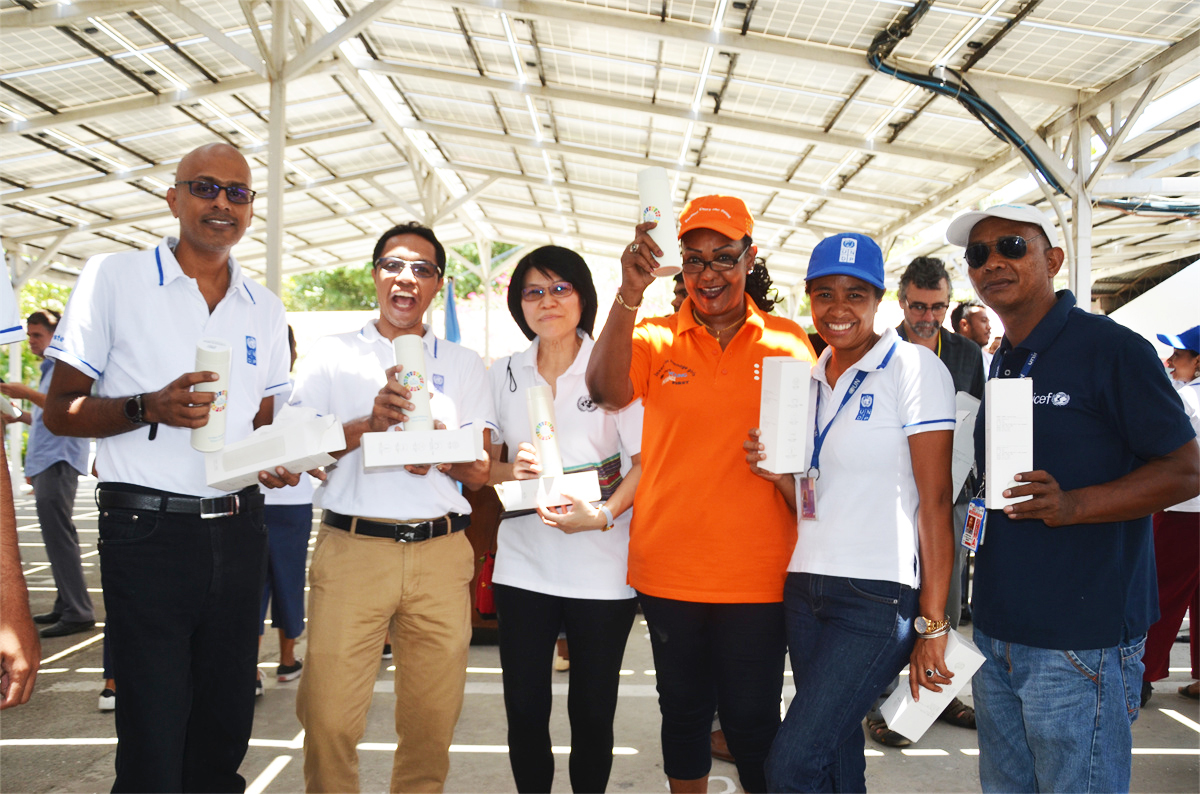

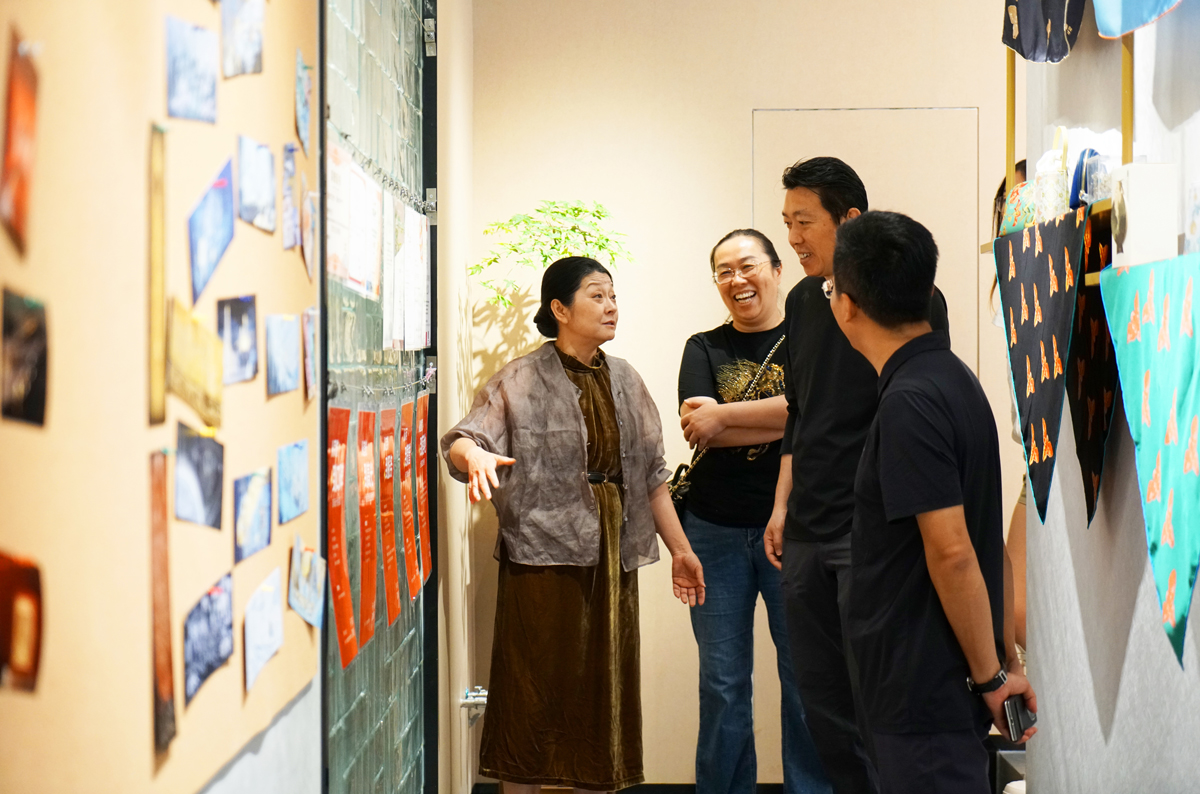
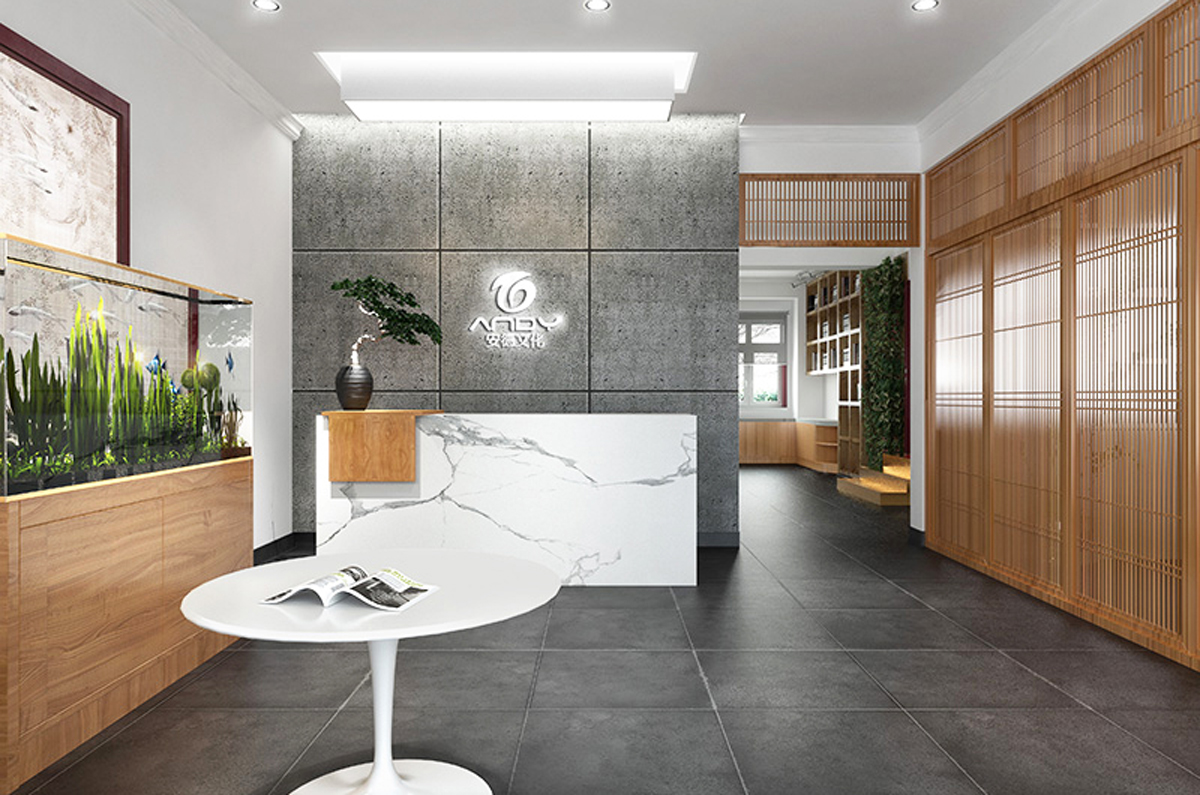
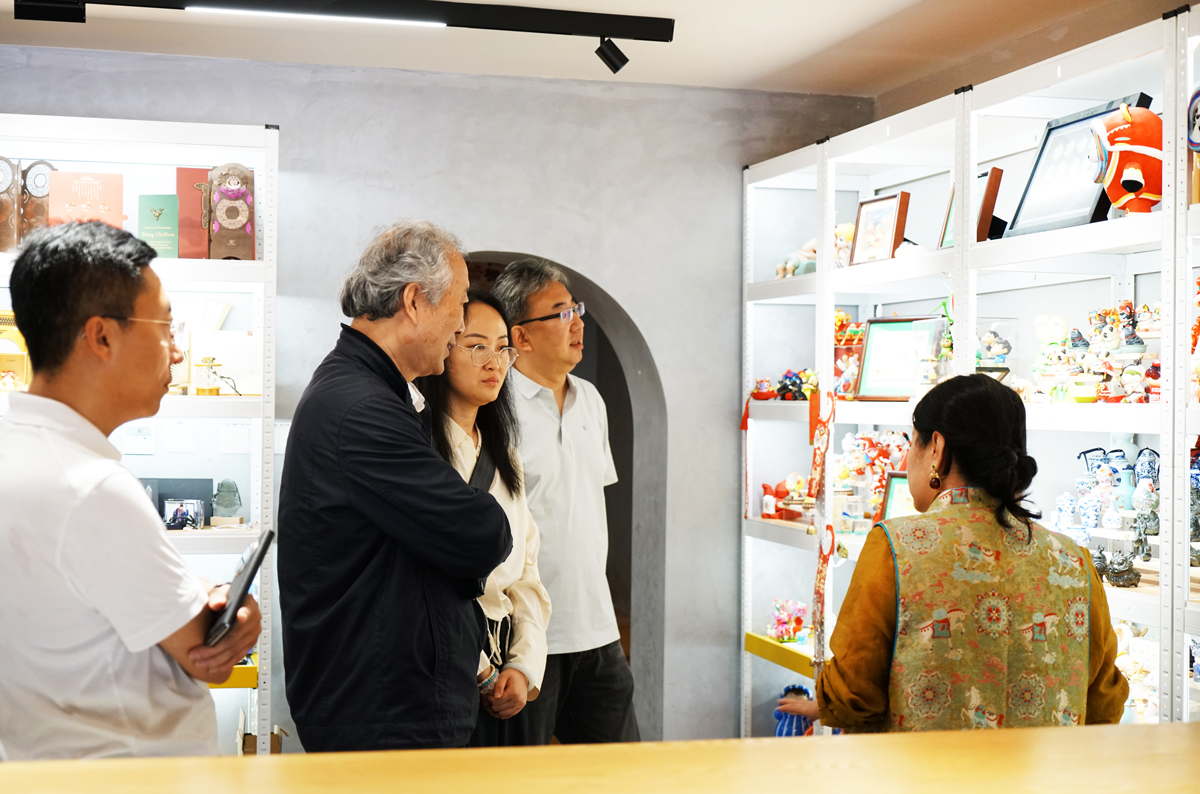

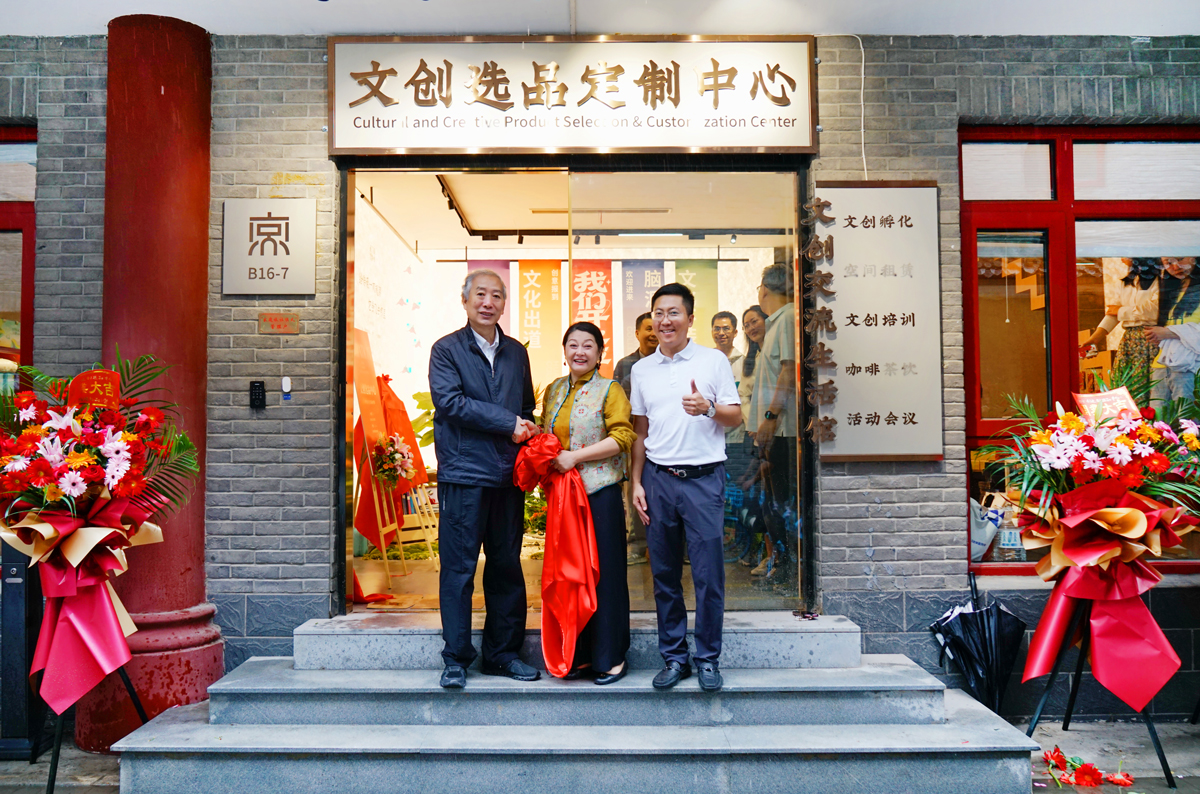
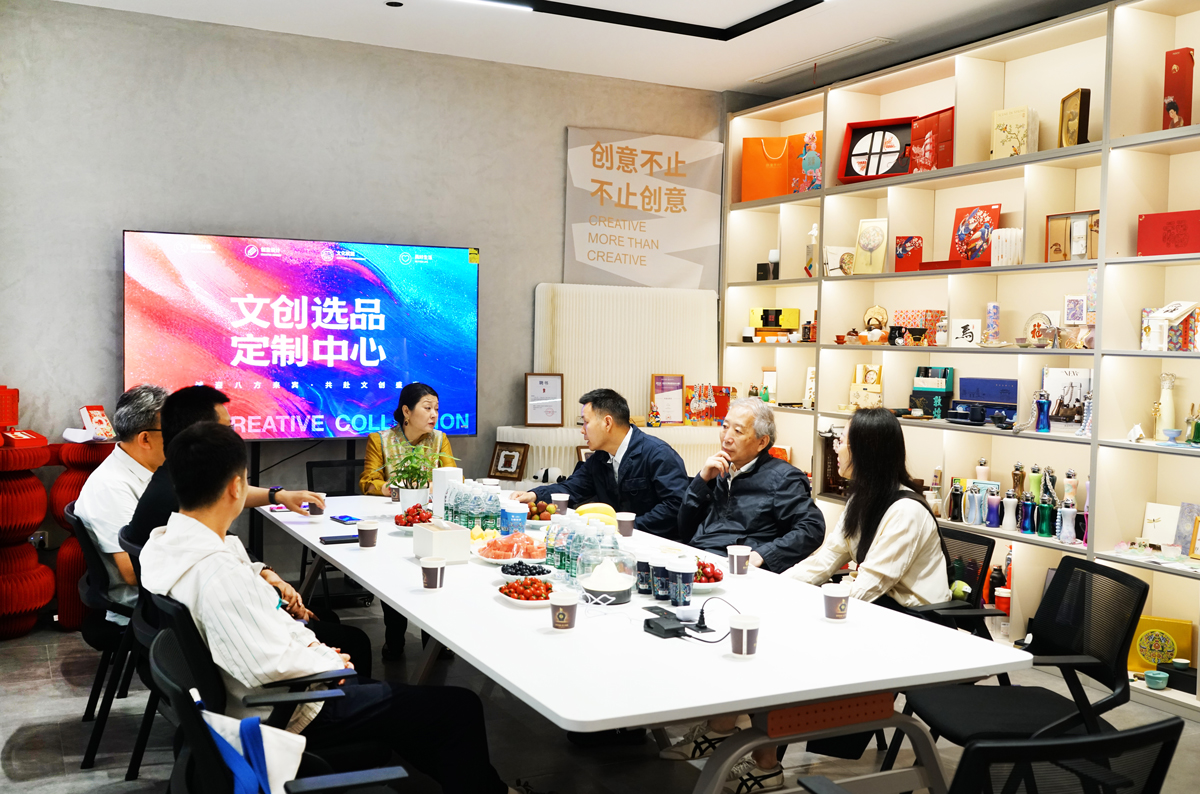
Our quality management framework is validated by international standards, including ISO certifications, government trade awards, and international design recognition.
Next-Generation Powder Metallurgy, Hybrid Metal Matrices, and Global Import Risk Mitigation.
The technological horizon of metallic foams is moving rapidly toward functional gradient structures and hybrid multi-material composites. Andy Culture's R&D focus concentrates on three primary innovation pillars:
Navigating cross-border regulatory logistics requires thorough documentation and material compliance verification. Andy Culture provides total regulatory assurance for institutional buyers:
Standard Compliance: All manufactured lots undergo testing under ASTM E1052 (Acoustic Absorption), ASTM E8 (Tensile Testing), DIN 4102 / EN 13501-1 (Fire Safety), and ISO 13314 (Mechanical Compression testing for porous metals).
Environmental Compliance: Fully compliant with EU REACH, RoHS directives, and Conflict Minerals reporting. Detailed Material Safety Data Sheets (MSDS) and Certificates of Analysis (CoA) accompany every export shipment.
Expert Engineering Insights for Industrial Importers and OEM Purchasing Managers.
Discover our comprehensive catalogue of custom industrial materials, electronic gifts, and promotional hardware.
 Andy Culture