Top-tier structural site equipment, custom promotional hardware, and workplace solutions tailored for global mega-projects.
An authoritative analysis of Rolled Steel Joist (RSJ) manufacturing standards, load-bearing optimizations, and international procurement workflows.
Modern civil engineering and industrial construction rely heavily on Rolled Steel Joists (RSJs), commonly referred to as I-beams or H-beams. These structural elements are engineered to resist high bending moments and shear forces while maintaining optimal material efficiency. As global urbanization intensifies and infrastructure projects demand rapid construction lifecycles, custom rolled steel joists have emerged as the foundational pillar for commercial skyscrapers, heavy industrial warehouses, transit hubs, and modular prefabricated bridges.
Information Gain Insight: The shift from standard structural profiles to custom-engineered rolled steel joists reduces total steel volume requirements by 12% to 18% while enhancing moment capacity and lateral-torsional buckling resistance under severe seismic load configurations.
Custom RSJ manufacturing begins with high-grade carbon and low-alloy structural steel, such as S275JR, S355J2+N according to EN 10025, or ASTM A36 and A572 Grade 50. The mechanical efficacy of a joist depends on its geometric distribution—concentrating mass in the flanges maximizes the Second Moment of Area ($I$), delivering superior resistance against vertical deflections under static and dynamic loading conditions.
When selecting custom rolled steel joists, structural engineers must evaluate critical parameters including Yield Strength ($f_y$), Ultimate Tensile Strength ($f_u$), Plastic Section Modulus ($Z_p$), and Slenderness Ratios. Precision hot-rolling technology ensures uniform grain refining throughout the web-flange junctions, minimizing internal residual stresses that lead to structural failure under axial compressions.
| Structural Steel Grade | Yield Strength (MPa) | Tensile Strength (MPa) | Elongation (%) | Primary Application Scenario |
|---|---|---|---|---|
| S275JR (EN 10025-2) | ≥ 275 | 410 – 560 | ≥ 23% | General structural framing, commercial roofing joists |
| S355J2+N (Normalized) | ≥ 355 | 470 – 630 | ≥ 22% | Heavy industrial cranes, high-rise structural columns |
| ASTM A572 Grade 50 | ≥ 345 | ≥ 450 | ≥ 18% | Infrastructure bridges, highway overpasses, heavy trusses |
| Custom Weathering Steel (S355J2W) | ≥ 355 | 490 – 650 | ≥ 20% | Uncoated exterior structural frames, marine infrastructure |
Integrating artificial intelligence, direct-reduction green steel, and automated robotic fabrication into global supply chains.
Algorithmic structural modeling allows real-time web perforation calculations (cellular beams), reducing deadweight while maintaining torsional stability under high load concentrations.
Transitioning from fossil-fuel Blast Furnaces (BF-BOF) to Electric Arc Furnaces (EAF) powered by green hydrogen, slashing embodied carbon emissions by up to 75% per metric ton.
Embedded RFID tracking and 7D BIM integration allow end-to-end traceability from the rolling mill through transport, site installation, and lifecycle maintenance.
Combining 30 years of global supply chain excellence, industrial procurement, and comprehensive multi-sector solutions.
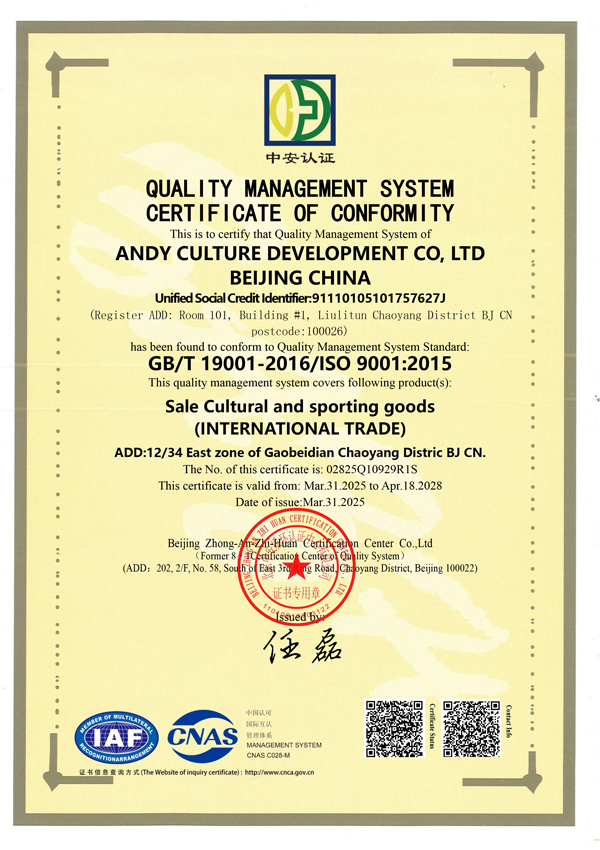
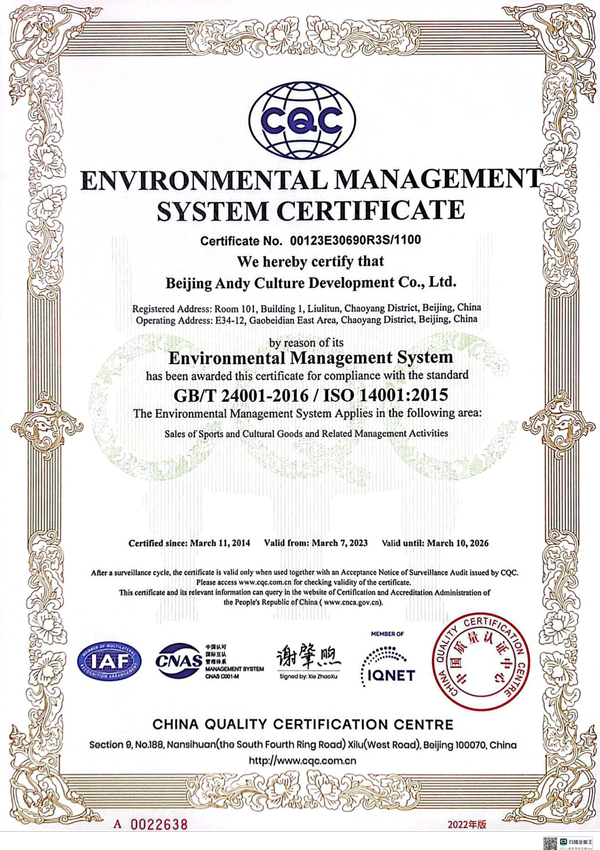
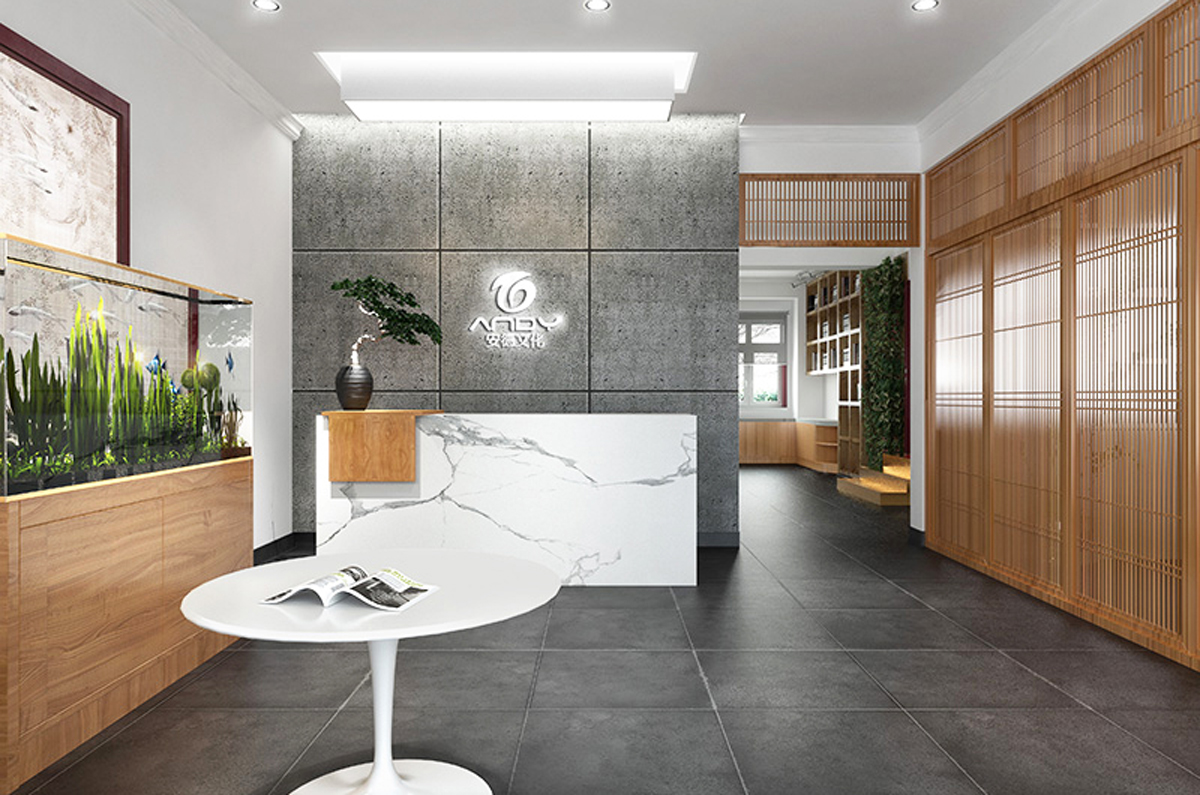
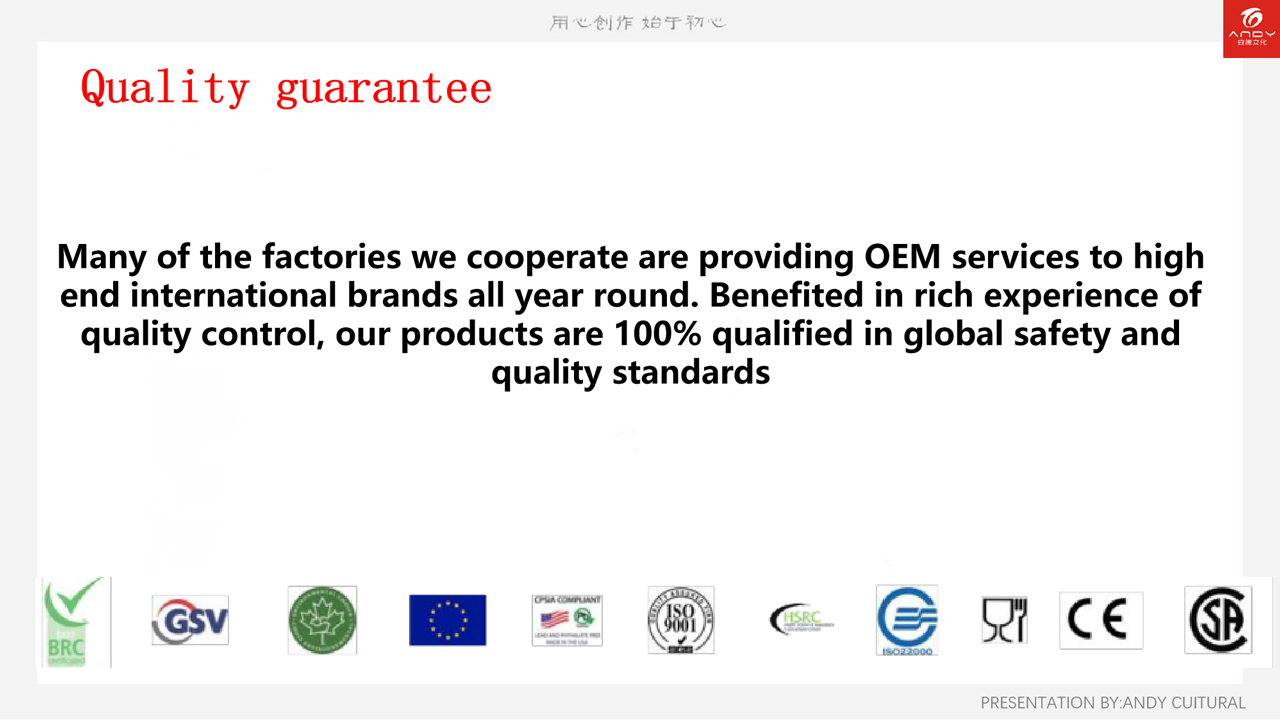
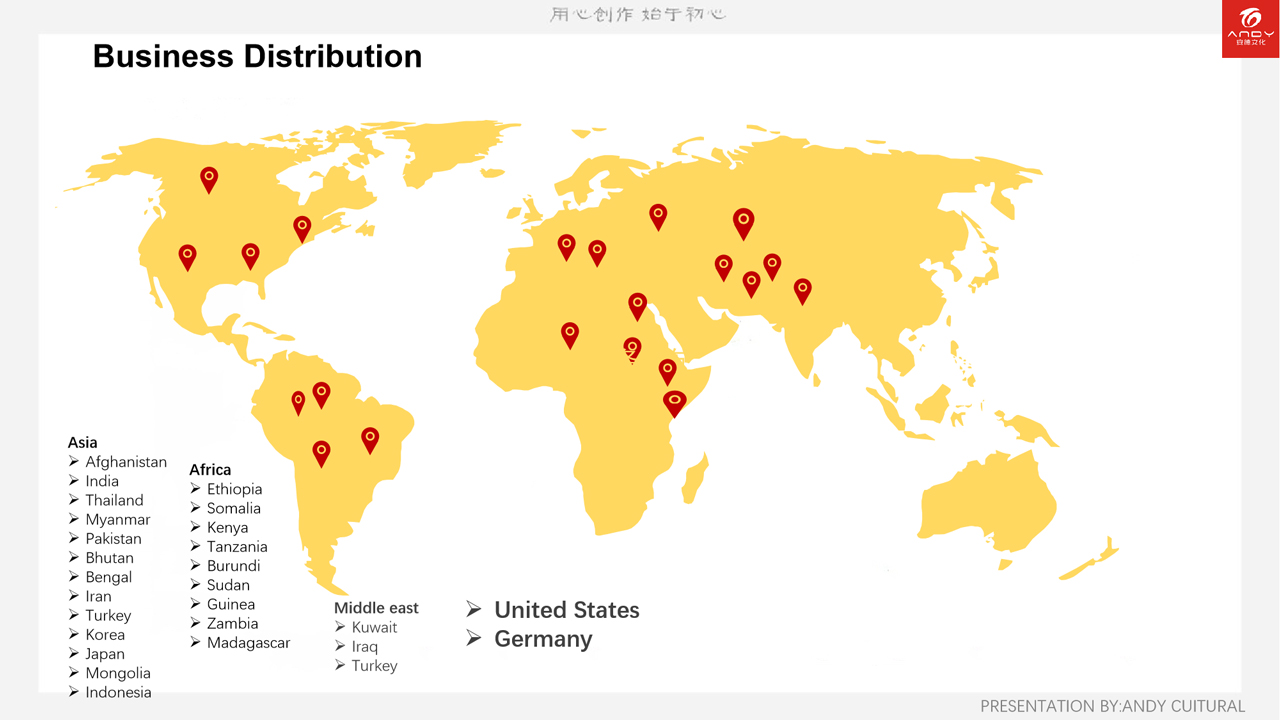
Beijing Andy Culture Development Co., Ltd. (Andy Culture) was established in 1995, building a 30-year operational legacy as a premier foreign trade import and export enterprise. Holding ISO 9001 Quality Management and ISO 14001 Environmental Management System Certifications, we serve commercial, industrial, and institutional clients across Asia, Europe, Africa, and Latin America.
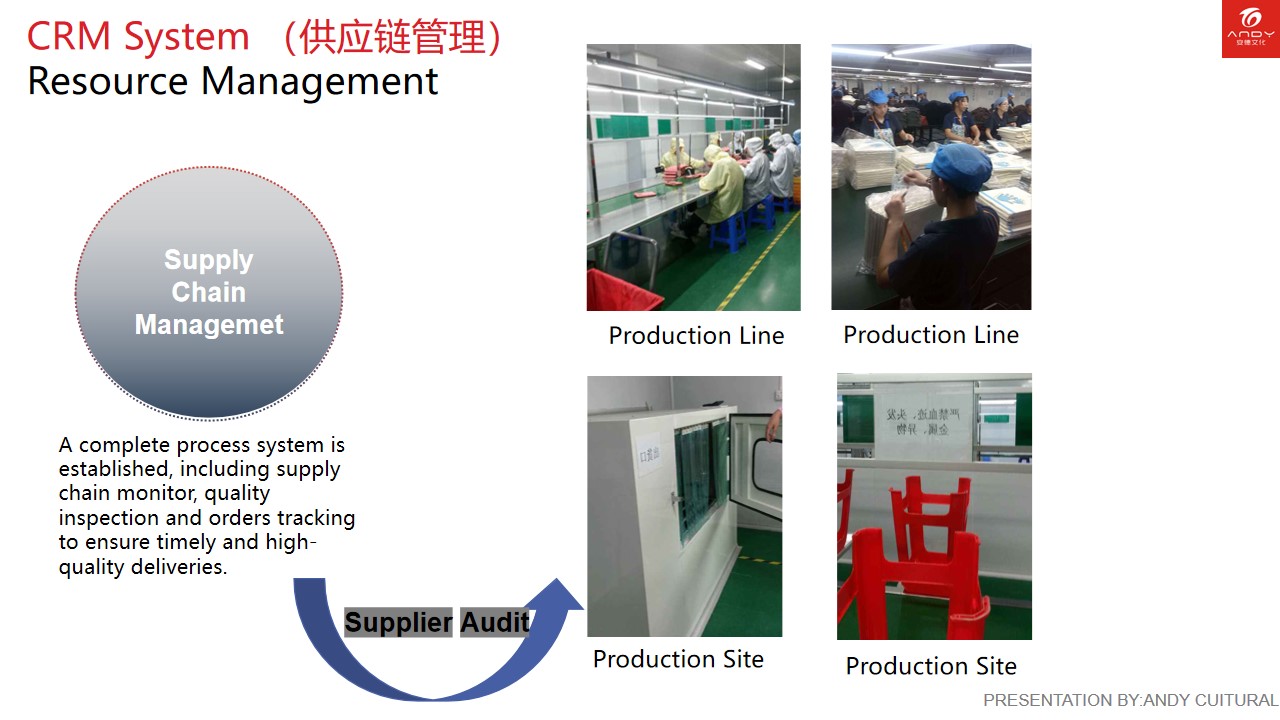
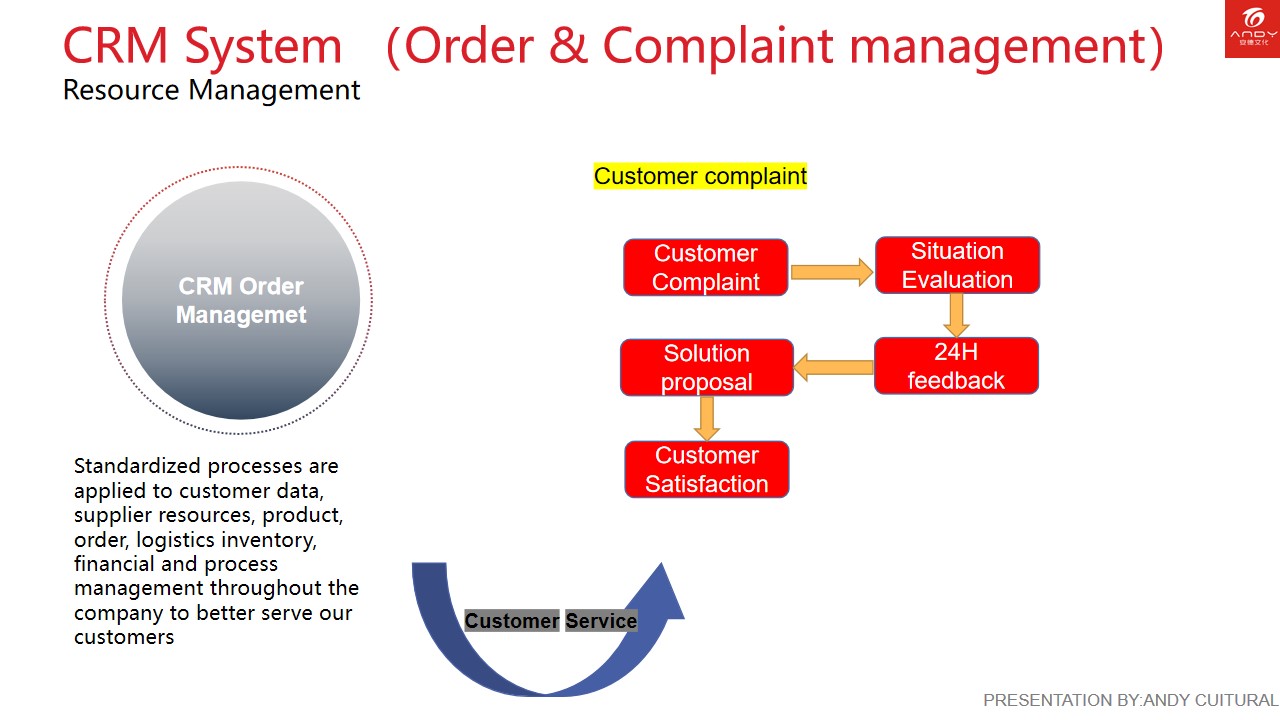
Our dedicated team of over 20 specialists in design, structural compliance, quality control, procurement, and international logistics provides end-to-end, turn-key services. Beyond supplying structural steel materials, we support structural project environments with complete jobsite visibility, employee protective gear, customized corporate apparel, and administrative supplies.

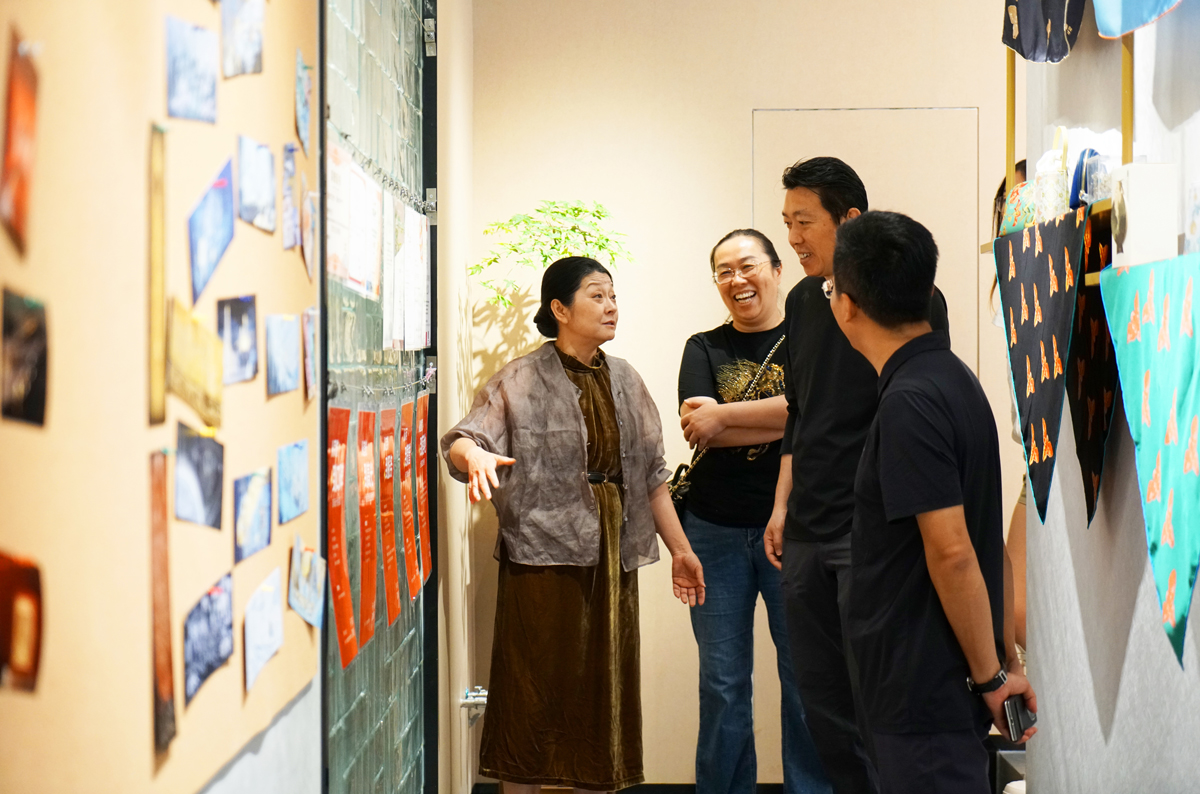
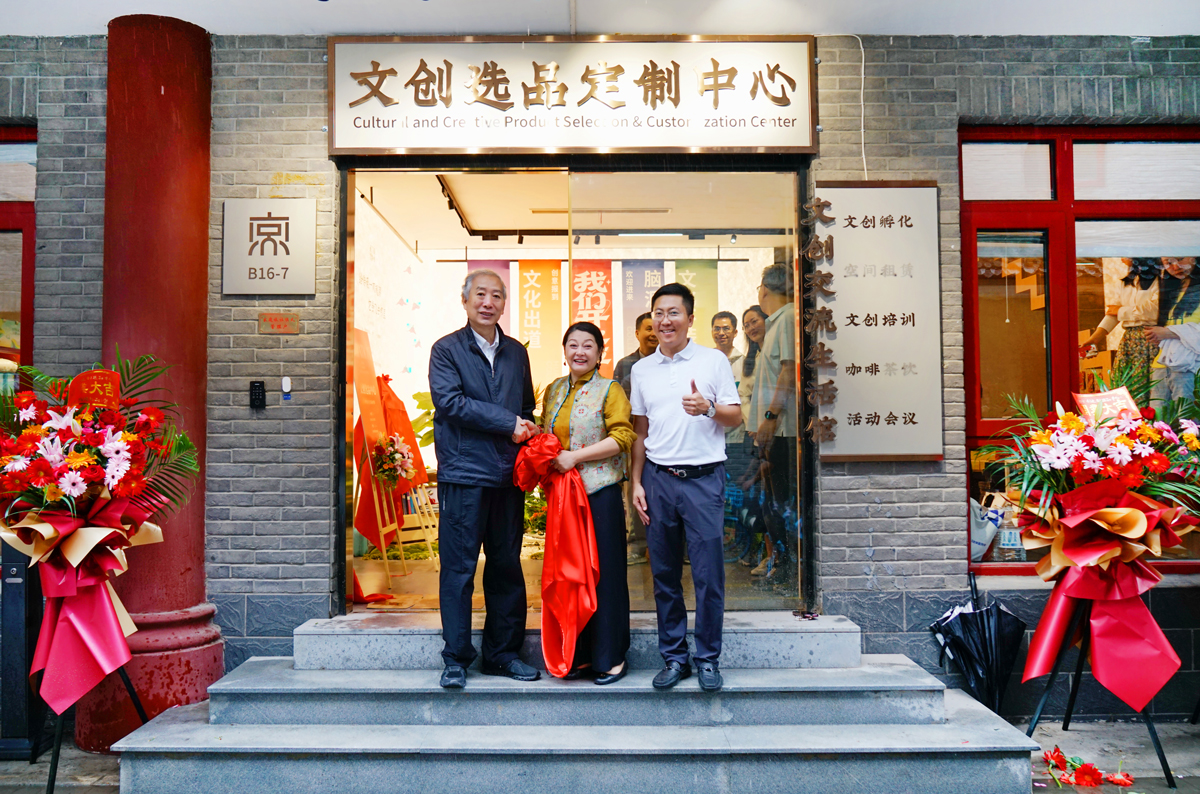
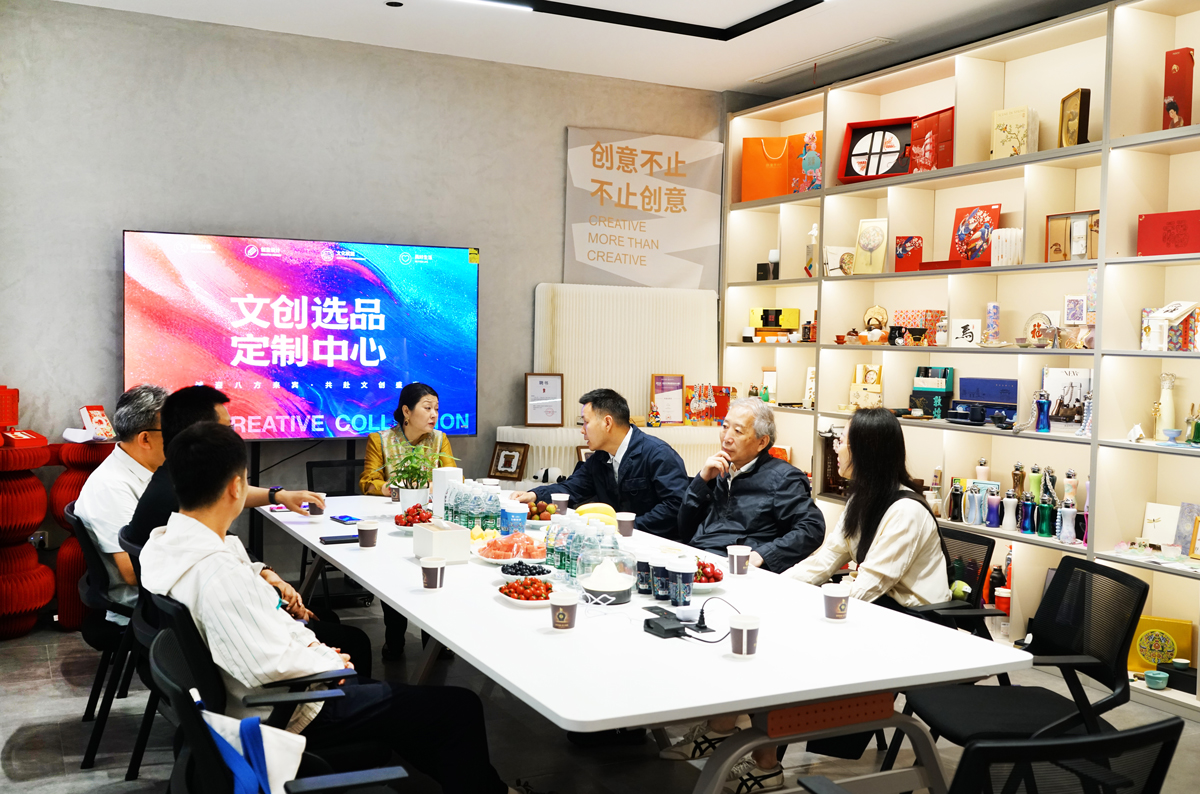
Active participation in international trade summits, procurement expos, and industrial client site operations.
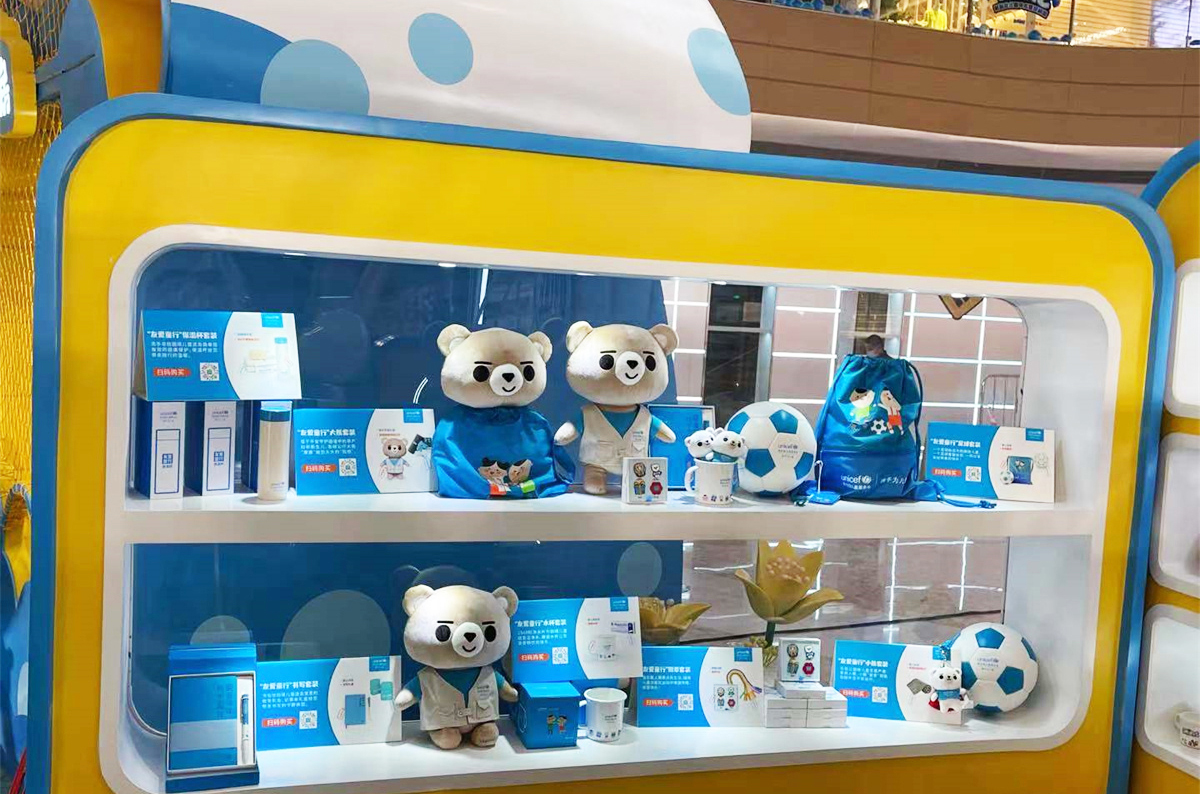




Complete product catalog catering to large-scale engineering jobsites, corporate visibility, and procurement logistics.
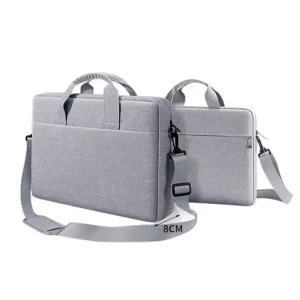
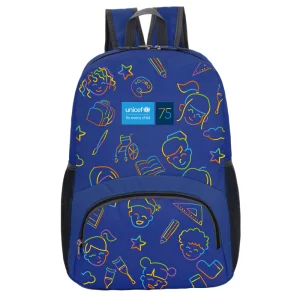
To support major structural developments and international contractor headquarters, Andy Culture provides an expansive portfolio categorized across green materials, electronics, office stationery, household site gear, and customized advertising media.
Sustainable solutions for low-carbon jobsite offices and LEED-certified projects.
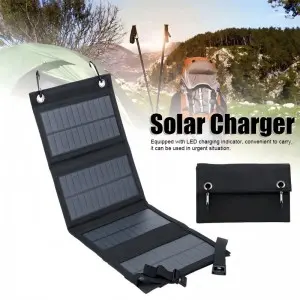
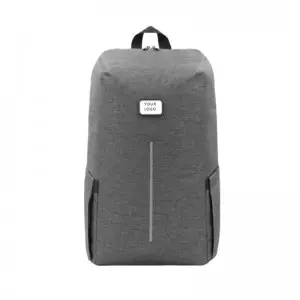
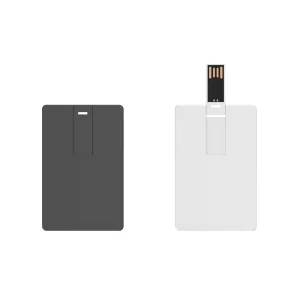
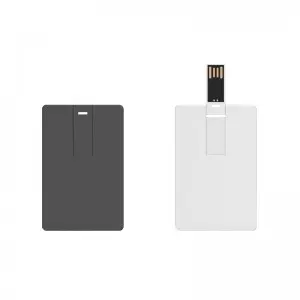
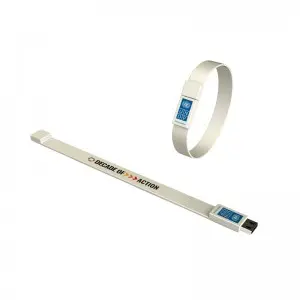
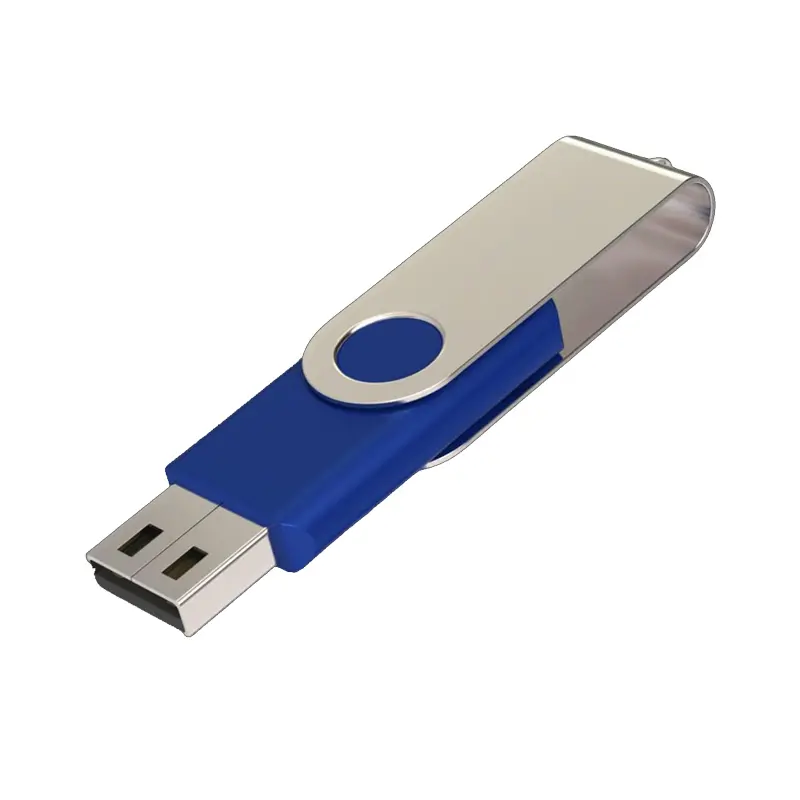
Field-ready digital storage for CAD blueprints, structural documentation, and site data.


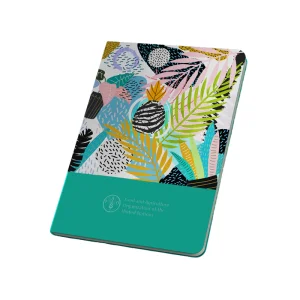
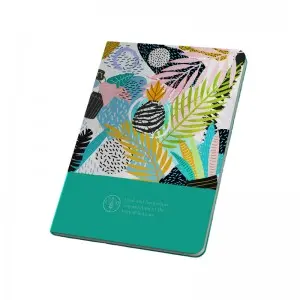
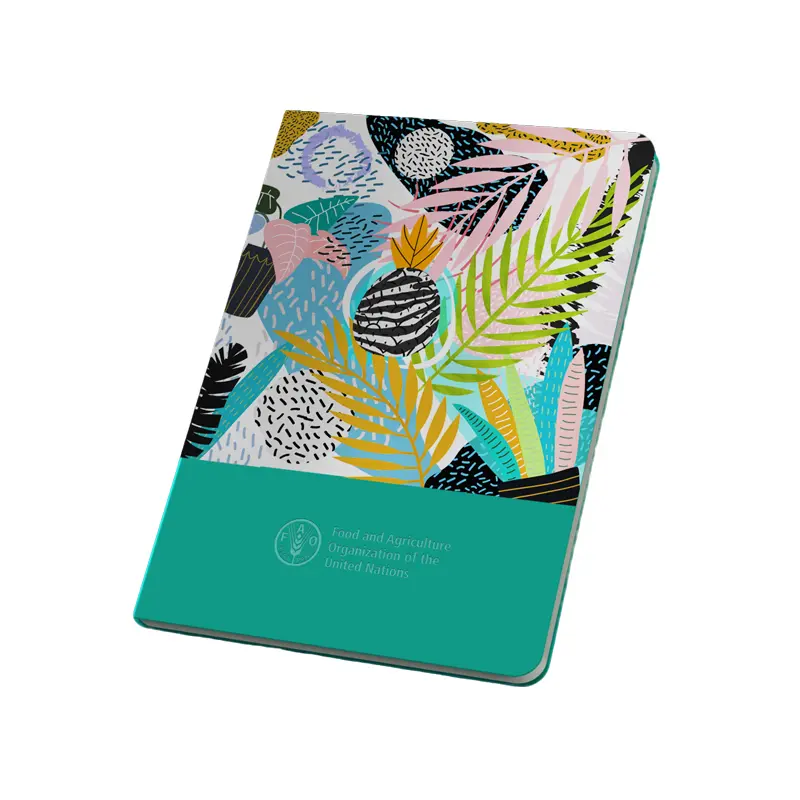
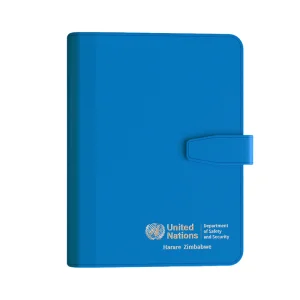
Heavy-duty stationery, executive binders, and documentation journals.

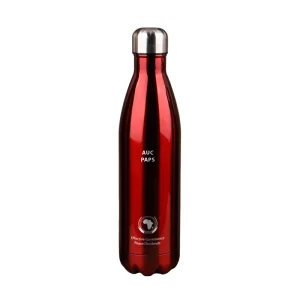
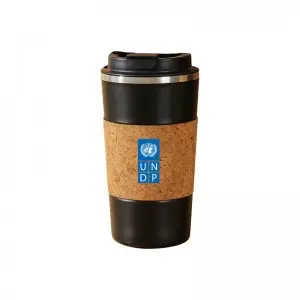
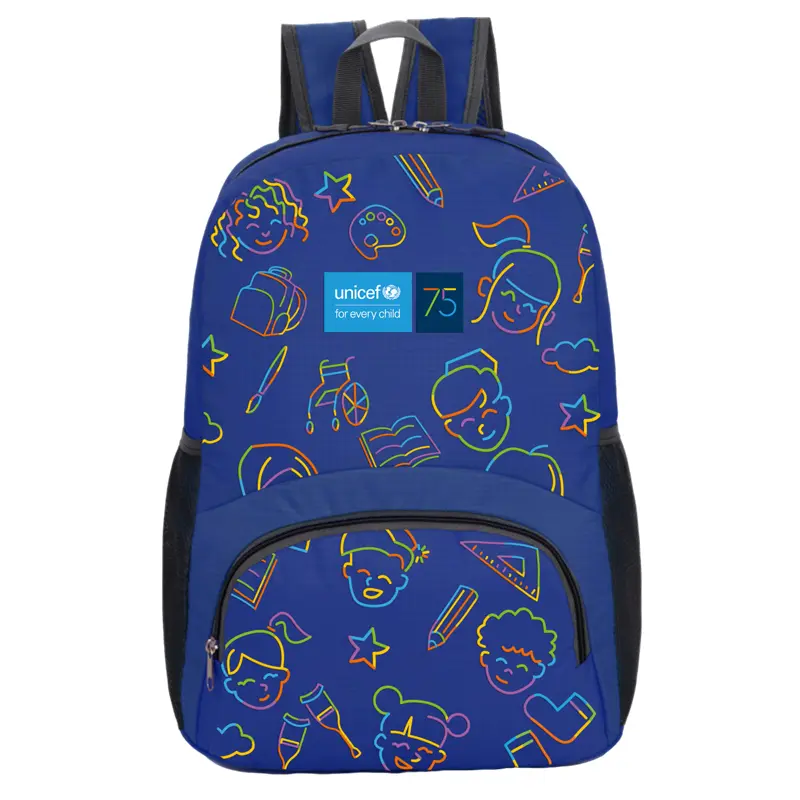
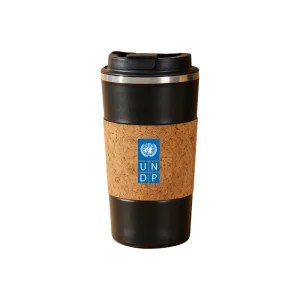
Workforce protection gear, weather-proof outerwear, and hydration hardware.

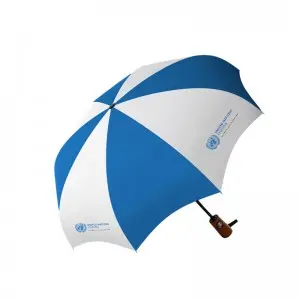
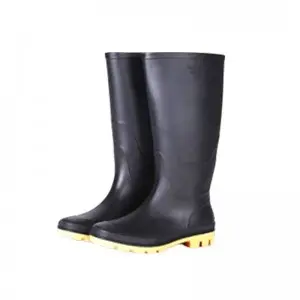
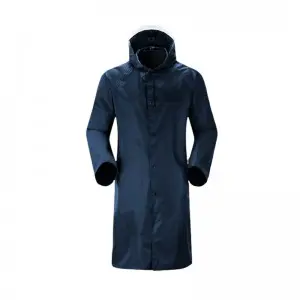
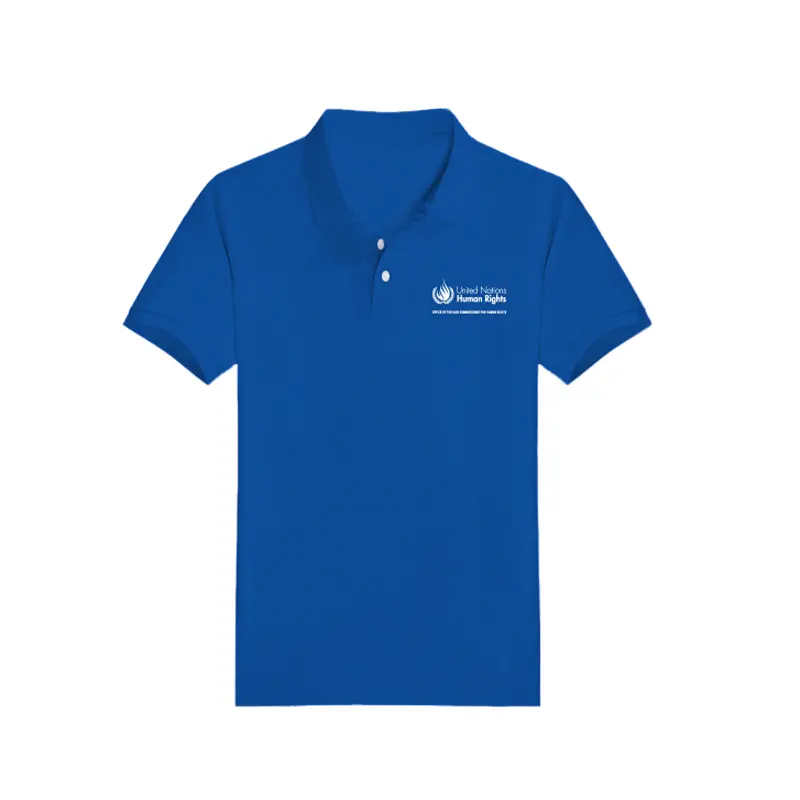
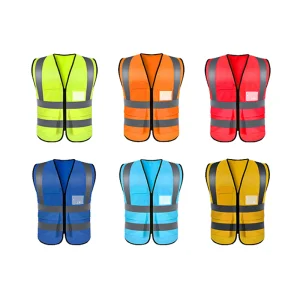
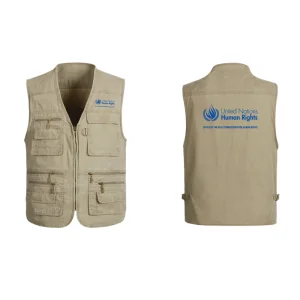
High-visibility safety vests, durable work vests, and customized site uniforms.


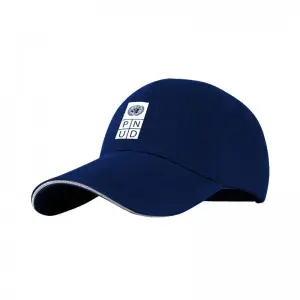
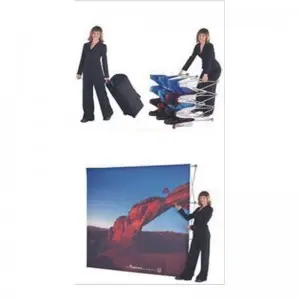
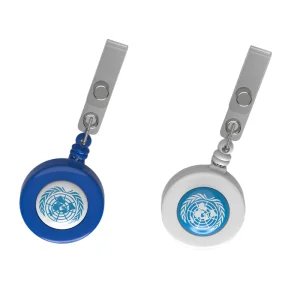
On-site flags, pull-up banners, badges, and recognition trophies for international engineering summits.





Address critical engineering inquiries regarding custom rolled steel joists, mill certifications, lead times, and global shipping compliance.
A Rolled Steel Joist (RSJ) is a broad term historically used for structural steel beams with I or H profiles. Technically, Universal Beams (UB) feature tapered flanges where the inner flange face is angled at an 8% slope. Modern H-beams (or Universal Columns) possess parallel flanges with a wider web depth, providing significantly enhanced load capacity under horizontal compression and bending stresses.
Yes. Custom rolled steel joists can be engineered with pre-calculated structural cambering to compensate for dead-load deflection. Furthermore, web perforations (cellular or castellated beams) can be precision laser-cut or plasma-cut to accommodate MEP (Mechanical, Electrical, Plumbing) services without compromising structural moment capacity.
We offer Hot-Dip Galvanizing (HDG) conforming to ISO 1461 / ASTM A123 (providing 50+ years of maintenance-free service in harsh marine environments), zinc-rich epoxy primers, and intumescent fireproofing coatings certified for 60, 90, or 120-minute structural fire safety ratings.
All structural shipments are accompanied by EN 10204 3.1 or 3.2 Mill Test Certificates detailing chemical heat analysis (Carbon Equivalent Value - CEV), Charpy V-notch impact test values at sub-zero temperatures, yield/tensile strength data, and ultrasonic flaw detection (UT) reports.
Standard mill rolling cycles require 15–25 days depending on section size and custom length requirements (e.g., 6m, 11.8m, or 12m for optimal 40ft High Cube container loading or breakbulk sea freight). Custom end-plate welding and coating add approximately 5–7 days.
Complete project support hardware, safety apparel, and administrative items available for export procurement.

 Andy Culture