Direct factory supply of precision-engineered stainless steel components, custom visibility merchandise, and structural perimeter products.
The global demand for high-performance perimeter security and architectural enclosure systems has undergone a paradigm shift over the past decade. Traditional materials such as painted carbon steel, wrought iron, and aluminum are increasingly failing to meet the rigorous demands of contemporary urban infrastructure, industrial developments, and high-salinity coastal environments. Stainless steel fencing—specifically engineered utilizing austenitic alloys (SUS 304, SUS 316) and duplex alloys (Duplex 2205)—has emerged as the definitive benchmark for structural integrity, corrosion resistance, minimal long-term Maintenance, Repair, and Operations (MRO) expenditure, and modern spatial aesthetics.
According to macroeconomic procurement data, the global architectural metal fencing market is projected to expand at a compound annual growth rate (CAGR) exceeding 6.2% through 2030. This acceleration is driven by massive global investments in public infrastructure, commercial real estate, data center perimeter hardening, luxury residential estates, and marine transport hubs. In this evolving landscape, procurement executives, structural engineers, and principal architects are transitioning away from high-maintenance coated steel toward grade-matched stainless steel barrier systems.
While initial capital outlay for stainless steel perimeter systems may range 20% to 35% higher than standard aluminum or galvanised steel solutions, the 30-year Total Cost of Ownership (TCO) reveals a dramatic financial advantage. Standard galvanized iron fences require repainting, anti-rust re-treatments, and structural fastener replacement every 5 to 7 years in moderate climates, and every 2 to 3 years in coastal zones. Conversely, high-grade passivated stainless steel fencing yields virtually zero degradation, preserving structural shear strength and visual clarity for over 50 years without synthetic topcoats.
As international sustainability frameworks (such as LEED v4.1 and BREEAM) enforce stricter embodied carbon and recyclable material criteria, stainless steel stands out as an exemplary circular economy alloy. Comprising up to 80% recycled scrap steel content and being 100% infinitely recyclable at end-of-life without quality degradation, it fulfills the strict scope 3 emissions reductions required by global institutional developers.
Selecting the appropriate stainless steel alloy is paramount to preventing premature pitting corrosion, stress corrosion cracking (SCC), and crevice oxidation. Chinese direct-factory manufacturers utilize advanced raw material spectrometry analysis (X-ray Fluorescence - XRF) to verify chemical compositions according to international standards (ASTM A240, ASTM A276, and EN 10088).
| Alloy Grade | Chemical Composition Key Elements | PREN Value Range | Optimal Application Scenarios | Corrosion Resistance Level |
|---|---|---|---|---|
| AISI 304 (UNS S30400) | 18% Cr, 8% Ni, Balance Fe | 18.0 - 20.0 | Inland urban enclosures, residential balustrades, commercial boundary perimeter, public parks. | Moderate to High (Standard Outdoor) |
| AISI 316 (UNS S31600) | 16% Cr, 10% Ni, 2.0% Mo | 23.0 - 25.0 | Coastal infrastructure (<5 km from ocean), industrial chemical plants, swimming pool enclosures. | Superior (Marine & Saline Grade) |
| AISI 316L (Low Carbon) | 16% Cr, 10% Ni, 2.0% Mo (C < 0.03%) | 23.0 - 25.0 | Heavy welded heavy-duty security gates, pharmaceutical sites, zero intergranular corrosion needs. | Superior (Weldable High Integrity) |
| Duplex 2205 (UNS S31803) | 22% Cr, 5% Ni, 3% Mo, 0.18% N | 32.0 - 35.0 | Offshore platforms, extreme marine environments, glass pool spigots under high structural wind load. | Ultra-Maximum (Extreme Structural & Saline) |
*Note: PREN (Pitting Resistance Equivalent Number) is calculated via formula: PREN = %Cr + 3.3(%Mo) + 16(%N). Higher values designate greater immunity to localized chloride pitting.
The anti-corrosive longevity of a stainless steel fence relies not only on chemistry, but equally on surface micro-roughness (Ra value) and passivation integrity. Leading Chinese exporters implement automated five-stage surface treating:
China accounts for over 55% of global crude stainless steel melt capacity. This concentrated upstream raw material integration—anchored by industrial titans like Tsingshan Holding Group, Baosteel, and TISCO—provides Chinese stainless steel fence manufacturers with unprecedented cost stability, zero raw material lead-time delays, and direct mill-certificate quality tracing.
Contemporary Chinese OEMs have evolved far beyond basic metal fabrication. Leading factories deploy fully integrated Industry 4.0 production lines designed for precision custom fabrication at high speeds:
Furthermore, China's mature logistical ecosystem—proximity to deep-water container ports (Ningbo-Zhoushan, Shanghai, Shenzhen, Qingdao)—enables seamless full-container-load (FCL) and less-than-container-load (LCL) shipments with shortened ocean transit schedules worldwide.
Scenario: Oceanfront promenades, boardwalk balustrades, luxury resort pool perimeter fencing.
Engineering Challenge: High airborne salt spray, humidity, constant wind loads, and pedestrian safety compliance (AS/NZS 1170).
Solution: Grade 316 / Duplex 2205 mirror-polished glass spigots paired with 12mm toughened structural glass or marine-grade vertical rod infills.
Scenario: Mission-critical infrastructure, hyperscale data hubs, utility substations, diplomatic quarters.
Engineering Challenge: Anti-climb requirements, heavy impact resistance, anti-cut welded mesh integration.
Solution: Heavy-gauge 304/316 welded mesh panels featuring narrow aperture anti-finger grid patterns integrated with automated cantilever sliding gates.
Scenario: High-end commercial complexes, boutique shopping centers, luxury villa perimeters.
Engineering Challenge: Custom spatial aesthetic integration, dynamic lighting, specialized geometric patterns.
Solution: CNC laser-cut 304/316 sheet panels finished in PVD black titanium or brushed bronze with hidden mechanical fasteners.
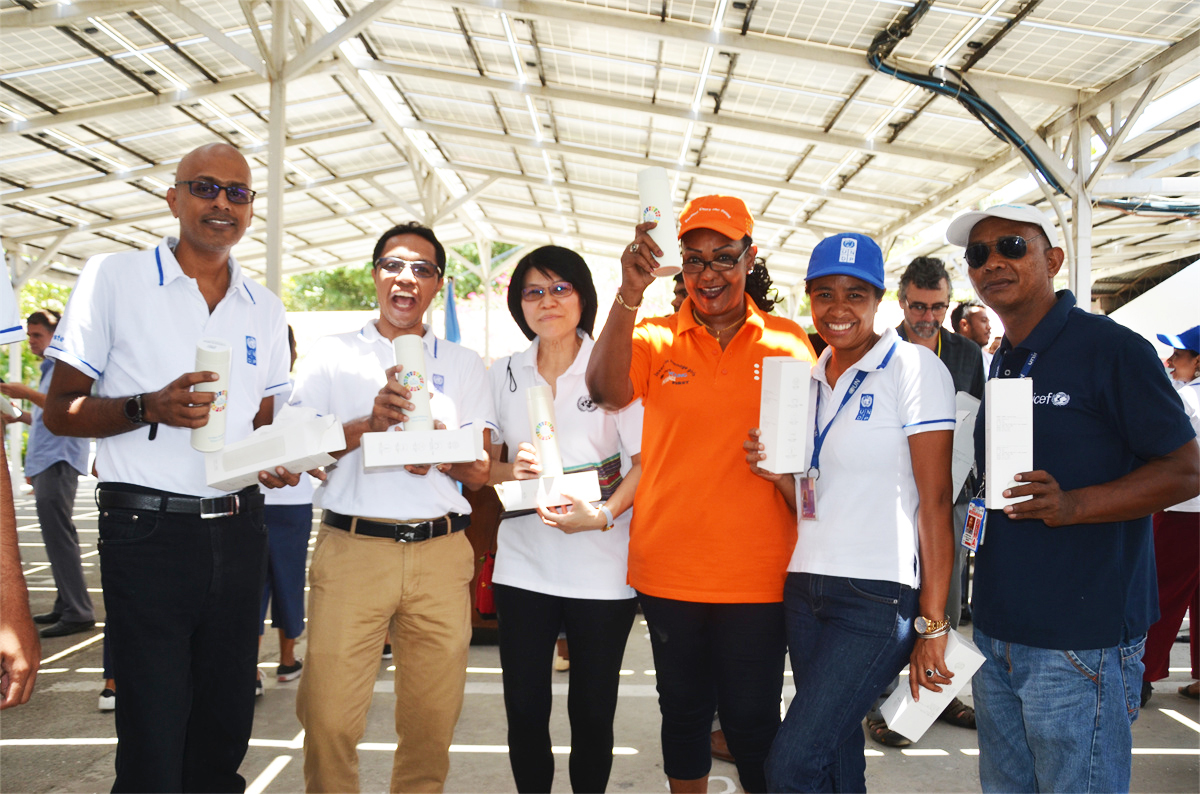
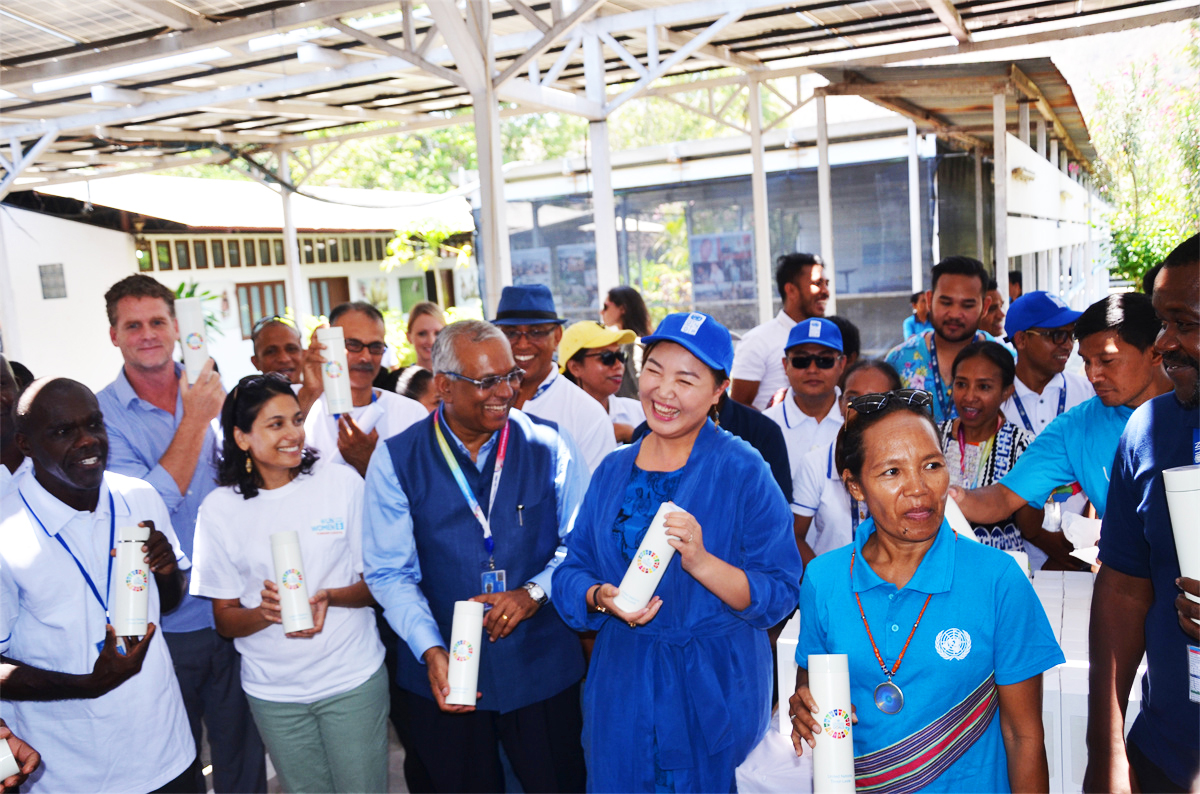
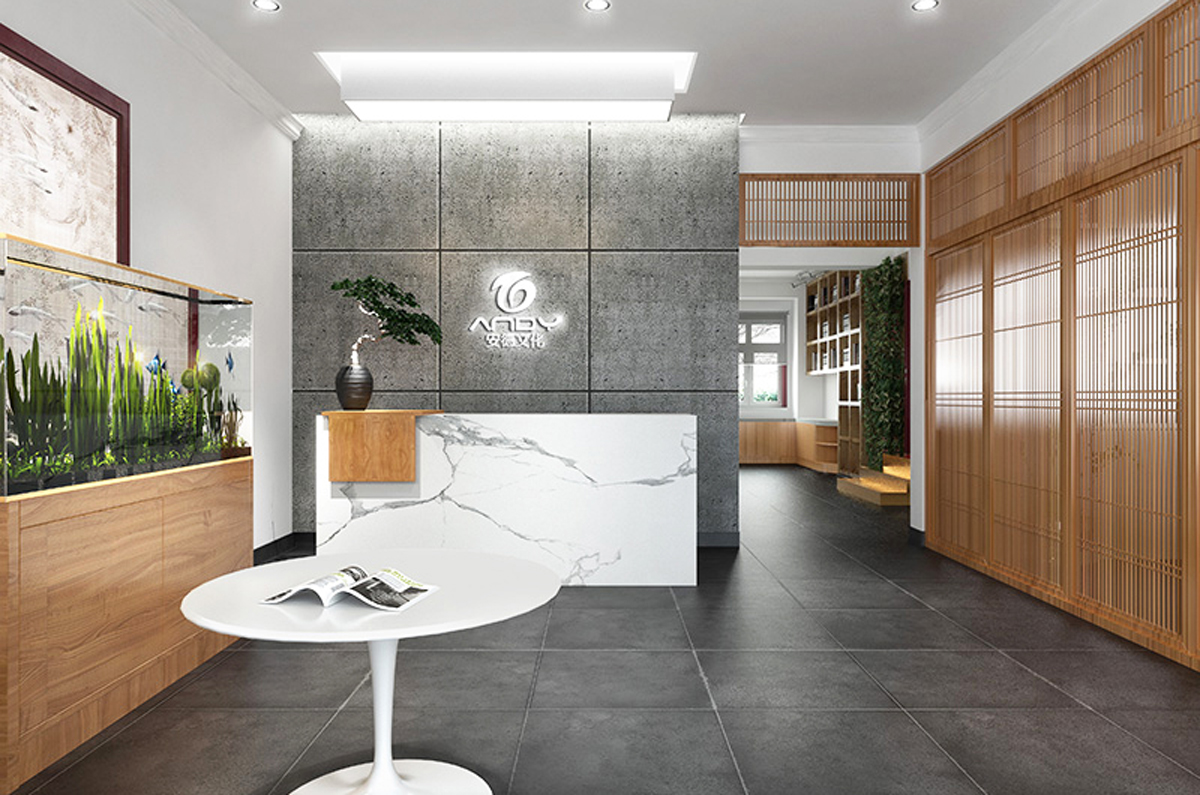
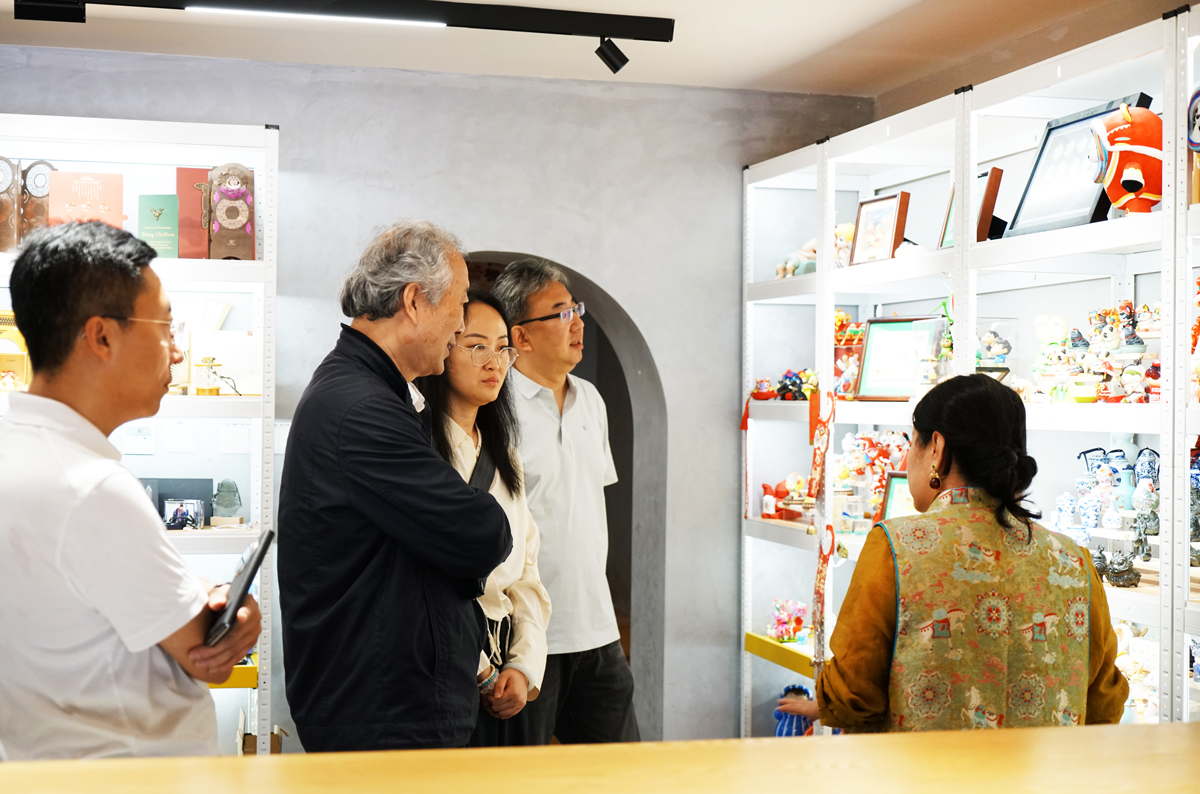
Established in 1995, Beijing Andy Culture Development Co., Ltd. (Andy Culture) brings 30 years of specialized expertise in corporate visibility materials, high-precision custom fabrication, structural promotional systems, and international logistics. As a fully licensed foreign trade import & export enterprise, Andy Culture operates under rigorous global quality control standards, serving premier government, multilateral, and corporate clients across Asia, Europe, Africa, and Latin America.

Procuring custom stainless steel fencing directly from China suppliers requires a structured quality control protocol to guarantee that engineering tolerances, alloy chemical compositions, and freight delivery timelines are flawlessly executed.
Initiate procurement by providing detailed architectural CAD drawings (.DWG or .STEP format), specifying exact post wall thicknesses (e.g., 1.5mm, 2.0mm, or 3.0mm), infill pipe diameter, baseplate structural loading specifications, and required surface finish (Hairline vs. 8K Mirror vs. PVD). Ensure the RFQ demands Mill Test Certificates (MTC) conforming to EN 10204 3.1 standards.
Before mass fabrication, demand a physical prototype segment. Perform third-party XRF spectrometry or chemical lab analysis (SGS, TÜV, or Bureau Veritas) to verify nickel and chromium percentages. Conduct salt spray test validation if installing in marine regions.
Verify that continuous laser or TIG welding processes are utilized rather than spot welding. Spot welding leaves micro-gaps vulnerable to water ingress, freeze-thaw cracking, and internal oxidation. Inspect post-weld pickling and passivation to ensure no dark heat tint remains on weld seams.
To prevent mechanical scratching during transoceanic transit, each fence panel and post must be wrapped in protective PE anti-scratch film, cushioned with EPE foam sleeves, and packed into steel-reinforced plywood crates. Steel strapping and moisture-absorbing desiccant packs inside container loads prevent ocean humidity staining.
Comprehensive answers to critical technical and commercial procurement inquiries.
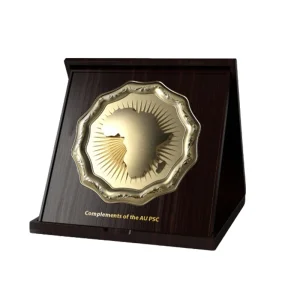
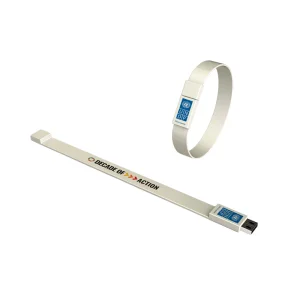
Explore our extended series of certified corporate gifts, office stationery, eco-friendly apparel, and promotional hardware solutions.
 Andy Culture