
Unpacking the shift from traditional manual rebar tying to high-precision cold-worked welded wire reinforcement mats across global structural engineering projects.
Steel Reinforcement Mesh—commonly designated as Welded Wire Reinforcement (WWR) or fabric reinforcement—represents a paradigm shift in modern reinforced concrete design. Modern mega-structures, commercial high-rises, industrial logistics slabs, and deep-water civil infrastructure demand structural materials that guarantee controlled yield stress, predictable flexural ductility, and optimal micro-crack distribution.
Utilizing high-tensile cold-rolled deformed steel bars or cold-drawn ribbed wires, welded wire mesh creates a rigid structural matrix bonded via automated electrical resistance welding. The precise geometry of ribbed profiles ensures superior mechanical anchoring within the concrete matrix, eliminating slip under dynamic load configurations and seismic stresses.
China's steel reinforcement mesh export sector has evolved beyond simple commodity supply into high-precision structural manufacturing. Leading Chinese exporters utilize micro-alloyed steel wire rods (incorporating vanadium or niobium trace additions) processed through controlled thermo-mechanical treatment (TMT). This achieves an optimal balance between yield strength ($f_{yk} \ge 500\text{ MPa}$) and strain ratio ($k = (R_m/R_{eH}) \ge 1.15$ for Class C ductility), satisfying rigorous international design codes.
Structural steel reinforcement exported from China undergoes strict verification against major international standardizations to ensure seamless integration into localized structural codes:
How environmental mandates, advanced anti-corrosion coatings, and digital BIM workflows are reshaping global mesh procurement.
Global EPC contractors and developers now prioritize lower embodied carbon materials (Scope 1 and Scope 2 emissions). Chinese mesh exporters are migrating from traditional Blast Furnace-Basic Oxygen Furnace (BF-BOF) routes to Electric Arc Furnace (EAF) recycling systems powered by renewable energy grids. This shift drastically reduces carbon intensity per metric ton of finished rebar mesh while preserving high yield strength and structural purity.
For saltwater infrastructure, chemical processing units, and high-humidity coastal structures, traditional bare steel mesh is susceptible to chloride ion penetration. Leading exporters now offer hot-dip galvanized (HDG) reinforcement mesh (zinc coatings exceeding 610 g/m² according to ISO 1461) and fusion-bonded epoxy (FBE) coated rebar fabric. Stainless steel grade mesh (AISI 304/316L) is also tailored for 100+ year design life marine engineering.
Standard sheet sizes (e.g., 4.8m x 2.4m or 6.0m x 2.4m) often generate cut-waste on complex job sites. Modern exporting services directly ingest customer 3D Building Information Modeling (BIM) structural schedules (IFC or DWG formats) into CNC automated wire-bending machinery. Custom pre-engineered mesh mats arrive pre-cut and pre-bent, reducing scrap rates to under 1.5% and accelerating concrete pour cycles.
| Standard Specification | Steel Grade Designation | Nominal Yield Strength ($R_{eH}$) | Tensile/Yield Ratio ($R_m/R_{eH}$) | Uniform Elongation ($A_{gt}$) | Primary Application Profile |
|---|---|---|---|---|---|
| BS 4483 (UK Standard) | B500A / B500B / B500C | 500 MPa | $\ge 1.05$ (A) / $\ge 1.08$ (B) / $\ge 1.15$ (C) | $\ge 2.5\%$ (A) / $\ge 5.0\%$ (B) / $\ge 7.5\%$ (C) | Commercial slabs, foundation rafts, structural walls |
| ASTM A1064 (US Standard) | Grade 70 / Grade 80 | 485 - 550 MPa (70-80 ksi) | $\ge 1.10$ | Specified by area reduction $\ge 30\%$ | Tilt-up panels, driveways, precast culverts & pipes |
| AS/NZS 4671 (AU/NZ Standard) | 500L / 500N | 500 MPa | $\ge 1.03$ (L) / $\ge 1.08$ (N) | $\ge 1.5\%$ (L) / $\ge 5.0\%$ (N) | Residential ground slabs, high-seismic zones (Class N) |
| DIN 488 (Euro Standard) | B500M (Welded Fabric) | 500 MPa | $\ge 1.05$ | $\ge 2.5\%$ | Bridge decks, tunnel linings, industrial flooring |
The modern Chinese steel mesh manufacturing landscape has undergone a technological revolution. By pairing raw material vertical integration with automated high-speed mesh welding lines, premier Chinese exporters maintain absolute cost efficiency without sacrificing structural integrity.
Microprocessor-controlled welding gantries execute hundreds of synchronized welds per minute. Instantaneous current control ensures zero burn-through on low-gauge wires while maintaining shear strength across longitudinal and transverse wire intersections exceeding 75% of the wire yield strength (exceeding ASTM A1064 requirements).
Optical laser calibration sensors and ultrasonic flaw detectors scan 100% of outgoing mesh sheets for dimensional variance, pitch irregularity, wire diameter tolerances ($\pm 0.05\text{ mm}$), and weld void probabilities.
Logistics engineers utilize custom hydraulic bundle-pressing systems to pack up to 26–28 metric tons of flat or folded steel mesh per 40ft High-Cube container, minimizing ocean freight costs per unit area ($/\text{m}^2$).
Every export shipment is verified through mill test certificates (EN 10204 3.1) and rigorous third-party inspection (SGS, BV, TUV):
From heavy industrial logistics hubs to coastal breakwaters, structural reinforcement mesh provides tailored shear strength and shrinkage strain protection.
Automated warehouses subjected to heavy forklift wheel loads and high static rack posts require high-dosage mesh reinforcement or hybrid macro-synthetic fiber mesh systems. Engineered mesh controls thermal contraction cracks and prevents punch-through shear failure.
Precast concrete factories rely on high-precision square and rectangular mesh mats (such as SL82 or D49 mesh) to accelerate pour times, ensure dynamic lifting strength during crane erection, and minimize panel thickness.
In underground excavation and slope stabilization, specialized flexible wire mesh mats are secured against rock faces prior to shotcrete application. The mesh absorbs ground movements and distributes seismic pressure evenly across rock bolts.
Coastal aprons, seawalls, and port decking require thick-diameter hot-dip galvanized or stainless-steel mesh to withstand harsh chloride attack, freeze-thaw cycles, and continuous wave impacts without concrete spalling.
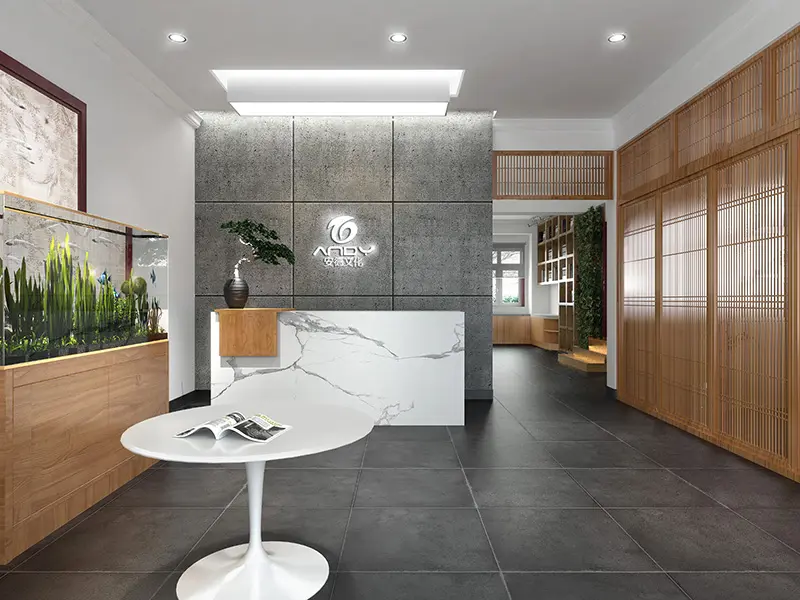
Beijing Andy Culture Development Co., Ltd. (Andy Culture) was established in 1995. Built upon 30 years of deep expertise in international trade, supply chain management, and specialized product exporting, Andy Culture stands as an authoritative parent enterprise group facilitating complex international procurement contracts.
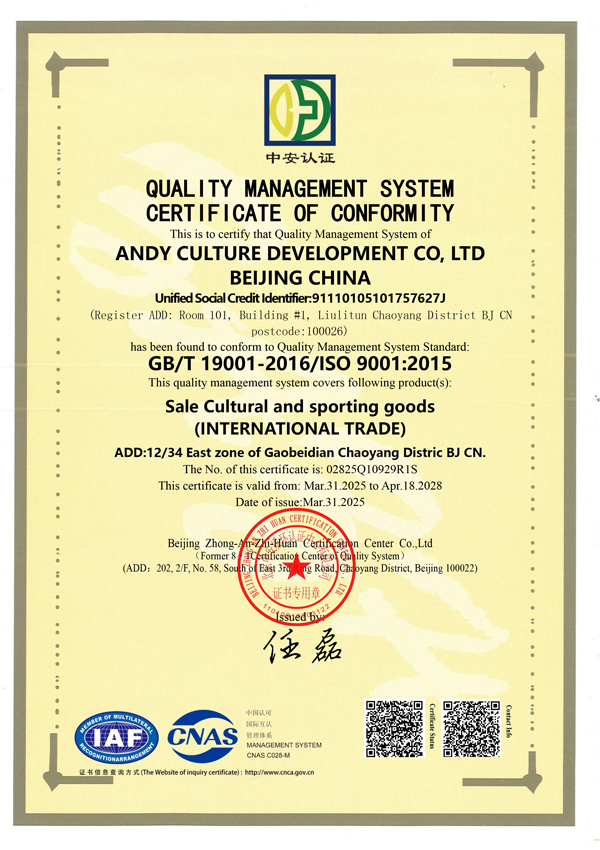
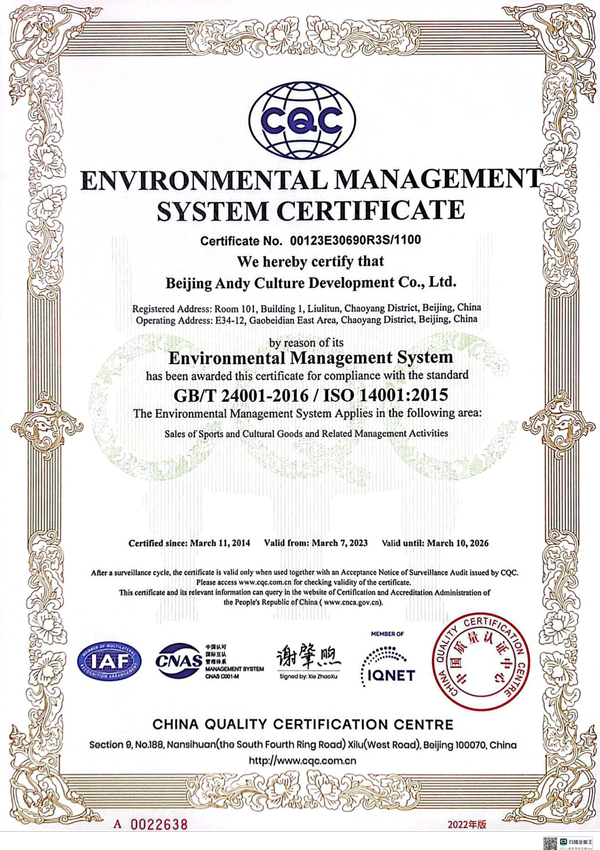
As a fully licensed foreign trade import and export enterprise, Andy Culture operates under rigorous international operational standards, holding ISO 9001 Quality Management System and ISO 14001 Environmental Management System Certifications. Our global service footprint spans client networks across Asia, Europe, Africa, North America, and Latin America.
Our specialized international procurement and logistics division comprises over 20 senior experts spanning design verification, metallurgical quality control, customs clearance, and multi-modal logistics. We provide end-to-end service for global EPC contractors, government agencies, commercial organizations, and industrial partners from contract inception to port-side delivery.
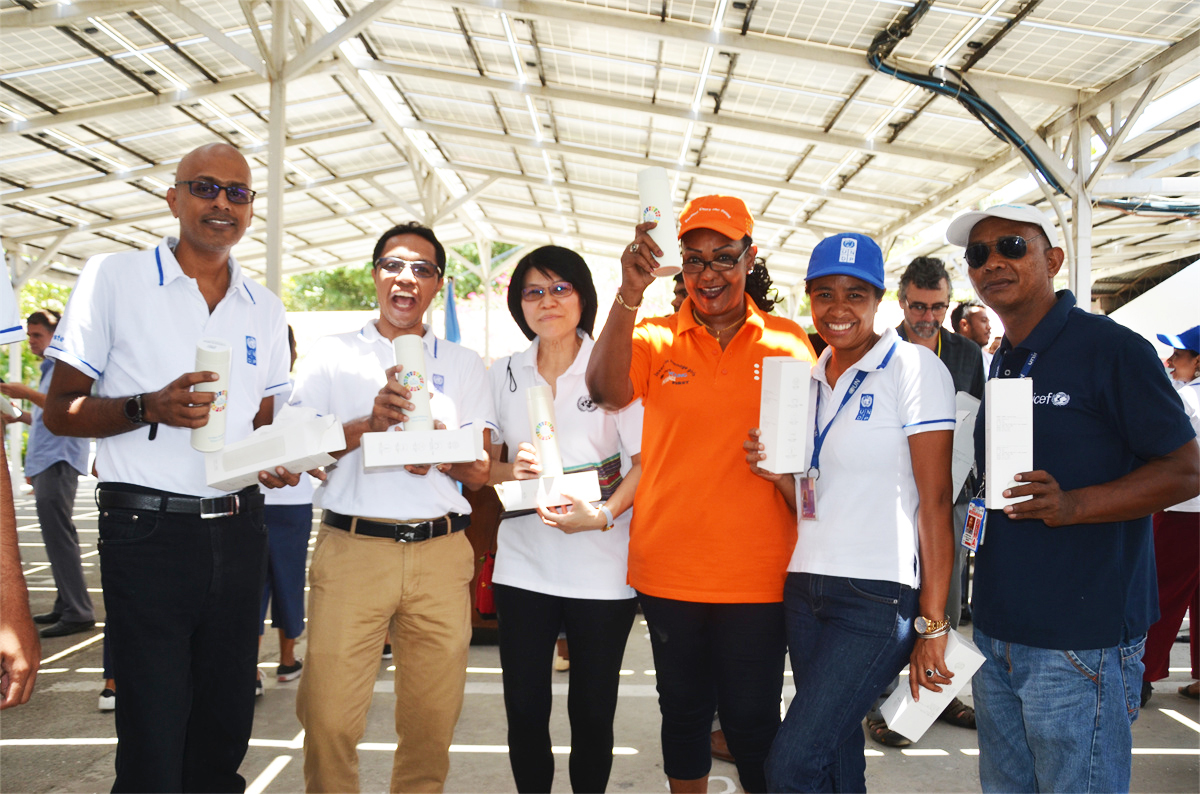
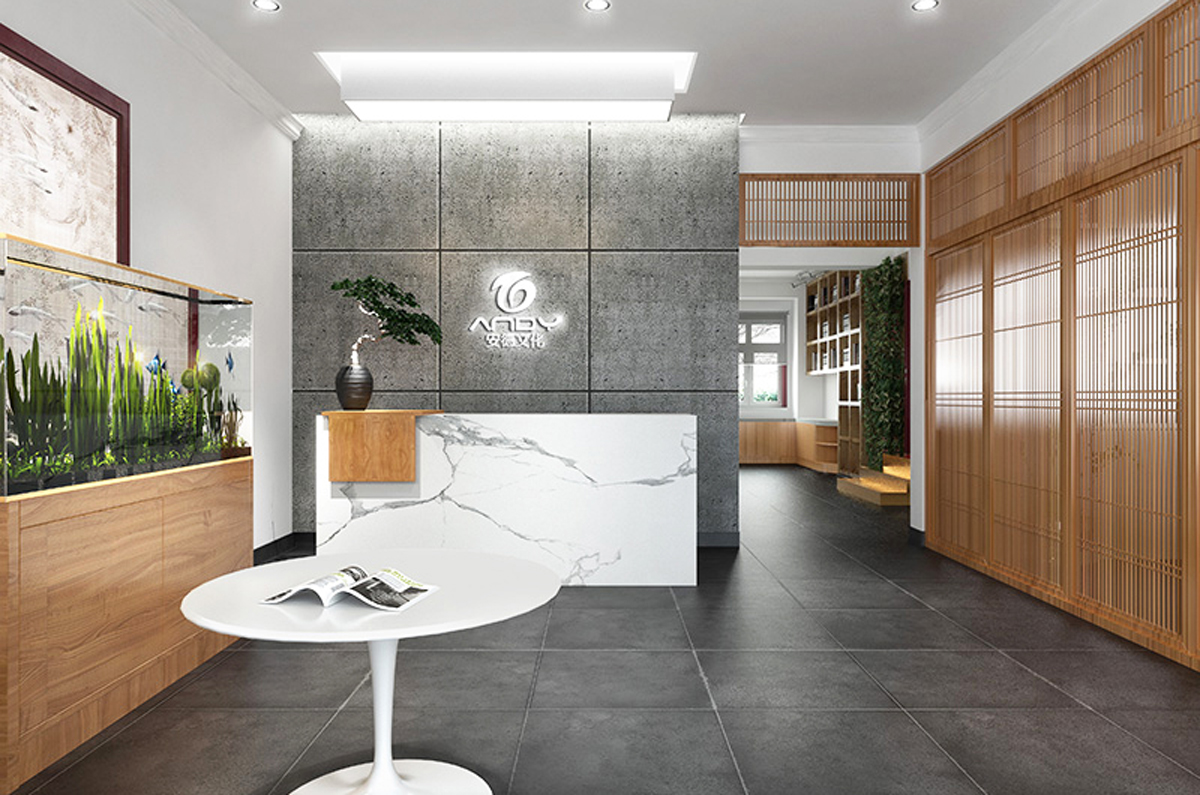
Below is an authentic media overview detailing our international certifications, operational activities, and historical enterprise milestones:







Addressing essential queries regarding steel grade selection, weld shear compliance, container bundling, and anti-dumping compliance.
The letters A, B, and C designate the strain ductility class of the steel under Eurocode 2 (BS 4483 / BS 4449). Class A (B500A) is cold-drawn wire offering low ductility ($A_{gt} \ge 2.5\%$), typically used for light fabric, ground slabs, or driveways. Class B (B500B) provides medium ductility ($A_{gt} \ge 5.0\%$), ideal for standard commercial floor slabs and structural walls. Class C (B500C) is high-ductility seismic grade steel ($A_{gt} \ge 7.5\%$ and tensile/yield ratio up to 1.35), engineered specifically for high-seismic zones, bridge decks, and heavy dynamic loading structures to absorb shock without sudden brittle fracture.
Under ASTM A1064 / A1064M Clause 7.3, the minimum shear force in grams-force for welded intersections must equal or exceed 35,000 times the nominal area of the larger wire in square inches (or $\ge 241\text{ MPa}$ multiplied by the larger wire area). Premier Chinese factories utilize computer-controlled multi-head electrical resistance welding machines that continuously monitor voltage, current duration, and clamping pressure, ensuring consistent micro-fusion across all wire intersections without reducing wire cross-sectional area.
Standard mesh sheets (e.g., 4.8m x 2.4m or 6.0m x 2.4m) are stacked in compact bundles of 50 to 100 sheets. Bundles are secured with heavy-duty steel strapping at 1-meter intervals, reinforced with plastic corner protectors. For ocean freight, bundles are wrapped in VCI (Vapor Corrosion Inhibitor) anti-rust film and waterproof polyethylene covers. Flat-pack loading into 40ft open-top or High-Cube containers is optimized using customized lifting slings to prevent bending during crane discharge.
Yes. Modern CNC welding lines feature programmable main-wire feeder channels and cross-wire indexers. Mesh pitch can be varied dynamically from 50mm x 50mm up to 400mm x 400mm, with variable line-wire extensions or flying ends (overhangs) customized for lap-splicing without overlapping double-layers. BIM structural drawings can be converted directly into machine code for pre-cut opening cutouts (for manholes, columns, or service ducts).
Each batch shipment is accompanied by a full EN 10204 3.1 Mill Test Certificate (MTC) detailing melt heat numbers, chemical composition (C, Si, Mn, P, S, CEV), yield strength ($R_{eH}$), tensile strength ($R_m$), elongation ($A_{gt}$), and 180-degree bend test results. Additional third-party inspection certificates (SGS, Bureau Veritas, Intertek) and Certificate of Origin (Form E, Form F, or General CO) are routinely included for customs tariff preferences.
While the initial ex-factory material cost of welded mesh per metric ton may carry a slight processing premium over raw straight rebar, the Total Cost of Ownership (TCO) is significantly lower. Welded wire mesh reduces on-site rebar placement labor by 65%–75%, accelerates slab pour schedules, eliminates steel tying errors, reduces steel weight through higher design yield stress utilization, and minimizes scrap waste from 8% down to under 1.5%.

 Andy Culture