Direct-from-Factory Export Quality Manufactured to Rigorous Global Standards
Structural Dynamics, Load-Bearing Mechanics, and Material Evolution
Corrugated metal panels represent a masterclass in structural optimization. By cold-rolling flat metallic sheets into continuous wave profiles—such as trapezoidal, sinusoidal, or standing seam shapes—the moment of inertia increases exponentially. This mechanical transformation provides extraordinary flexural rigidity while maintaining a low weight-to-surface-area ratio.
Engineers and architects globally specify custom corrugated metal for projects requiring high span-to-weight capabilities. The geometry allows for reduced structural steel framework, translating directly into material cost reduction, faster installation schedules, and lowered seismic mass for industrial facilities.
The global construction and manufacturing landscape is transitioning rapidly from standard galvanized iron (GI) toward advanced alloy systems. Modern procurement specs prioritize 55% Aluminum-Zinc alloy coated steel (Galvalume / Aluzinc) and Zinc-Aluminum-Magnesium (ZAM) coatings.
These advanced metallic coatings deliver up to 4x to 6x the atmospheric corrosion resistance of traditional zinc coatings. For engineering procurement managers, selecting the precise alloy composition and profile depth is critical to optimizing life-cycle costs (LCC) and ensuring compliance with international building codes.
Precision Parameters for Engineering Procurement & Structural Design
| Substrate Alloy Grade | Coating Weight / Density | Tensile / Yield Strength | Thermal Expansion Coeff. | Optimal Marine / Industrial Fit |
|---|---|---|---|---|
| Galvalume (GL / AZ150) | AZ50 to AZ180 (55% Al, 43.4% Zn, 1.6% Si) | 300 MPa – 550 MPa (G300 - G550) | 12.0 × 10⁻⁶ / K | Industrial Roofs, Coastal Processing Units |
| Hot-Dip Galvanized (HDG) | Z100 to Z275 (99% Pure Zinc) | 250 MPa – 450 MPa (S250GD - S450GD) | 11.5 × 10⁻⁶ / K | Agricultural Silos, Standard Warehousing |
| Aluminium (3003 / 5052 Alloy) | Anodized / PVDF Coated (25μm+) | 140 MPa – 240 MPa (H14 / H34) | 23.1 × 10⁻⁶ / K | Severe Chemical / Highly Corrosive Zones |
| Zinc-Aluminium-Magnesium (ZAM) | ZM120 to ZM275 (Mg-enhanced Zn-Al) | 350 MPa – 550 MPa | 11.8 × 10⁻⁶ / K | Solar PV Decking, Harsh Ammonia Enclosures |
| Austenitic Stainless (304 / 316) | Mill Finish / 2B / BA Finish | 205 MPa – 515 MPa | 16.0 × 10⁻⁶ / K | Pharmaceutical, Cleanrooms, Heavy Offshore |
Protecting the underlying metal substrate against UV degradation and micro-cracking requires high-tier polymer chemistry:
Our export operations rigorously comply with multi-jurisdictional engineering standardizations:
Tailored manufacturing capability ensures seamless integration into existing building systems:
Unrivaled Industrial Scale, Rapid Prototyping, and Total Quality Control
China’s manufacturing ecosystem offers unmatched competitive density. From raw iron ore refining and hot-strip rolling mills to precision high-speed continuous cold-rolling lines, the supply chain is vertically integrated.
This allows Chinese suppliers to deliver fully custom corrugated profiles with drastically reduced lead times. Access to proprietary coating lines ensures optimized metallurgical bonding, tighter tolerances (±0.02mm gauge precision), and seamless high-volume production schedules.
Exporting structural steel products globally demands meticulous protective packaging. Chinese export hubs have pioneered multi-stage packaging solutions to eliminate ocean-transit oxidation and physical damage.
Coils and cut-to-length corrugated panels are encapsulated using VCI (Vapor Corrosion Inhibitor) paper, heavy-duty galvanised steel outer skins, radial edge protectors, and mounted on heavy timber or steel saddles for safe containerized or break-bulk shipping.
Navigating the Decarbonization and Digital Transformation Era
Global net-zero mandates are accelerating adoption of green steel produced via Electric Arc Furnaces (EAF) utilizing high-scrap ratios and green hydrogen reduction processes. Carbon-neutral corrugated metal decking enables developers to earn LEED and BREEAM sustainability ratings.
Modern roofing relies on Building-Integrated Photovoltaics (BIPV). Custom corrugated metal profiles are designed with specialized standing seam ridges, enabling non-penetrative solar panel clamping systems that preserve waterproofing while generating renewable energy.
Off-site prefabrication relies on Building Information Modeling (BIM). Modern corrugated metal sheets are cut to exact BIM CAD models with pre-punched fastener holes and notchings, reducing job-site labor, waste material, and installation errors.
Field-Tested Performance Across Diverse Environmental & Architectural Contexts
Large-scale distribution centers require expansive clear-span roofing system solutions. High-profile corrugated steel sheets engineered with 55% Al-Zn alloy coatings provide superior structural diaphragm action, withstanding high uplift wind loads, seismic stress, and concentrated thermal cycles without micro-fissuring.
Modern commercial design utilizes micro-corrugated aluminum and perforated galvanized panels for ventilated rainscreen facades and interior acoustic dampening. Custom anodized and PVDF finishes deliver striking visual aesthetic profiles while providing long-term atmospheric durability.
Agricultural buildings face extreme internal atmospheric stress caused by high humidity, organic waste gases, and ammonia concentration. Specialized ZAM-coated and thick-film PVDF corrugated panels prevent accelerated degradation where traditional metal decking fails.
Salt spray and high-salinity coastal environments accelerate corrosion rates. Heavy-gauge stainless steel (grade 316) and high-coating-density Galvalume corrugated panels (AZ180) ensure decades of structural integrity for coastal power plants, port structures, and marine transport hubs.
Mitigating Supply Chain Risks for EPC Contractors and Import Distributors
Rigorous enterprise procurement demands full heat-level traceability. Every export batch must be accompanied by EN 10204 3.1 Mill Test Certificates detailing chemical composition, yield strength, elongation percentage, and precise coating weight verification.
Prior to port dispatch, international buyers require independent validation via SGS, TÜV, or Intertek. Tests evaluate neutral salt spray (NSS) endurance, cross-hatch paint adhesion (ISO 2409), impact resistance, and coating thickness via electromagnetic gauge meters.
Fluctuations in raw steel hot-rolled coil (HRC) indices present cost volatility risks. Enterprise suppliers provide flexible pricing frameworks, locked-in long-term agreement (LTA) terms, and tailored MOQs to accommodate large-scale multi-phase infrastructure projects.
30 Years of Uncompromising Quality, International Authorization & Global Supply Reach
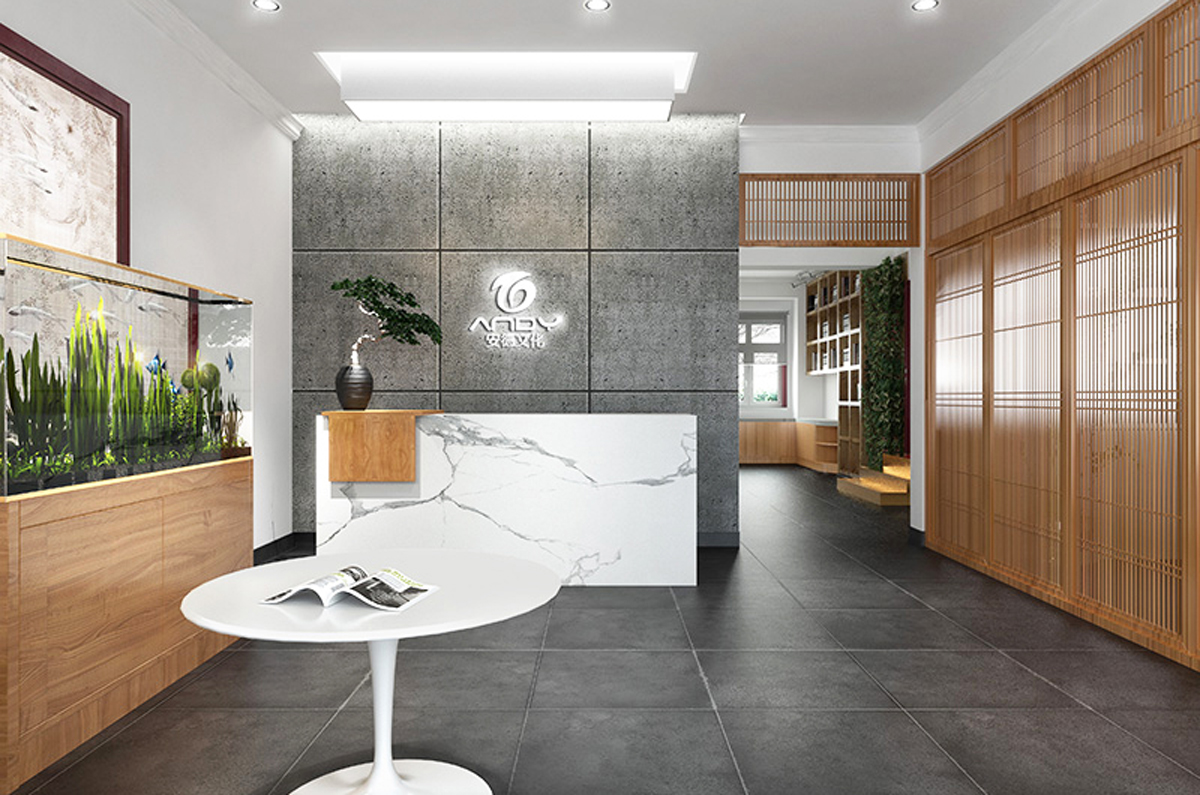
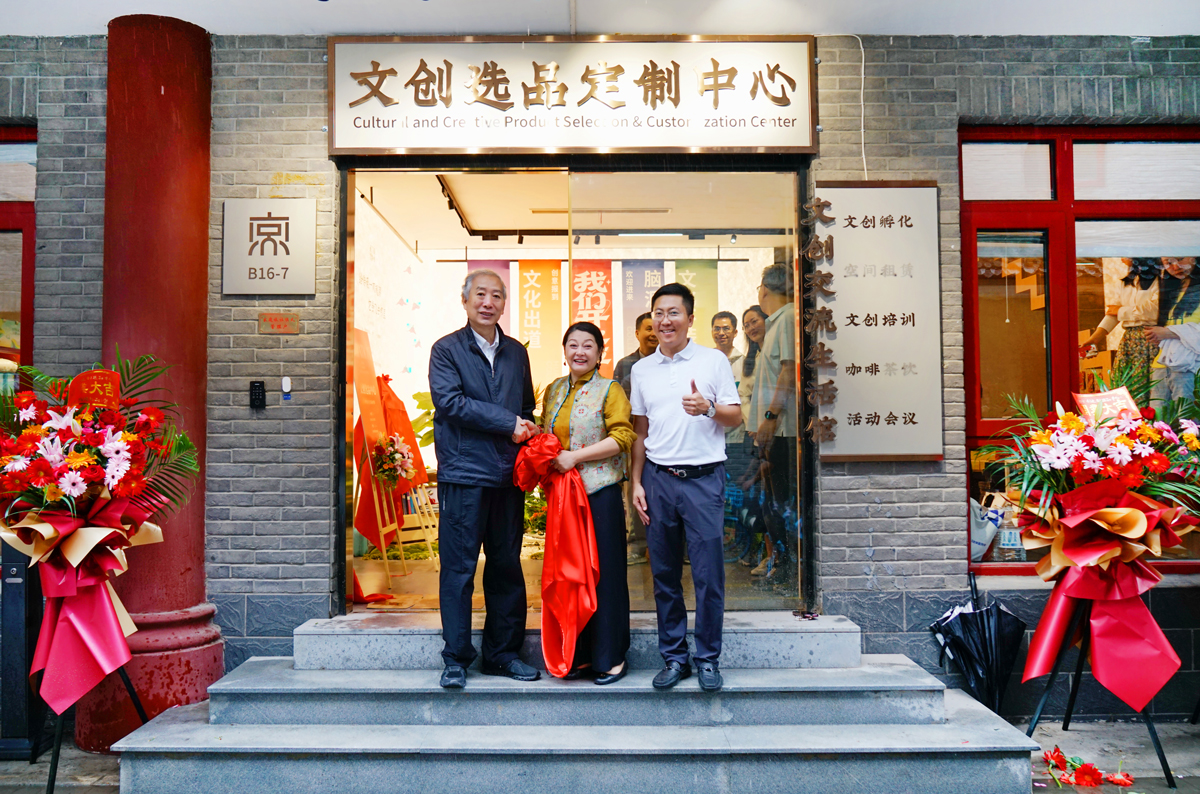
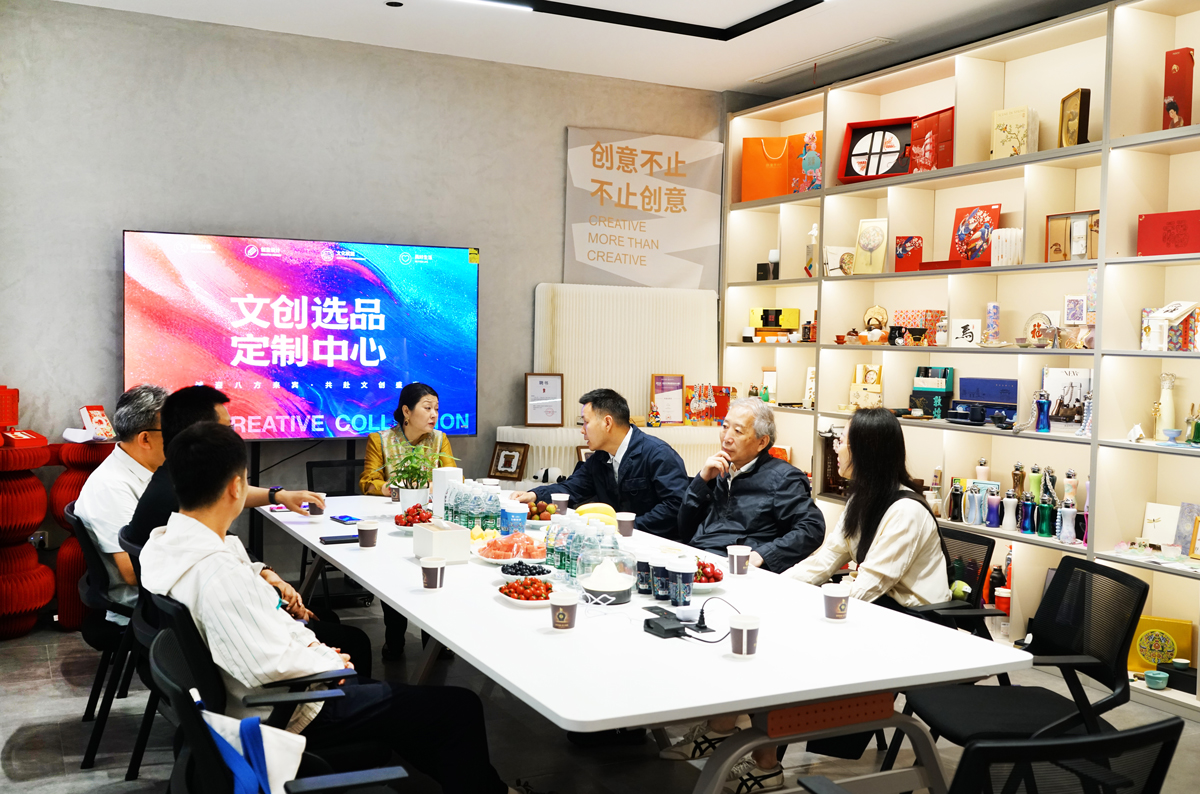
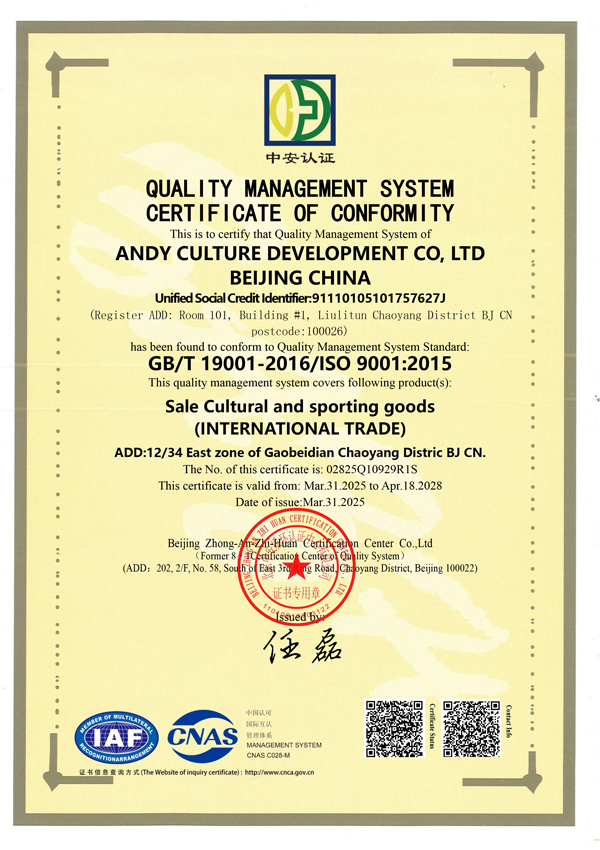
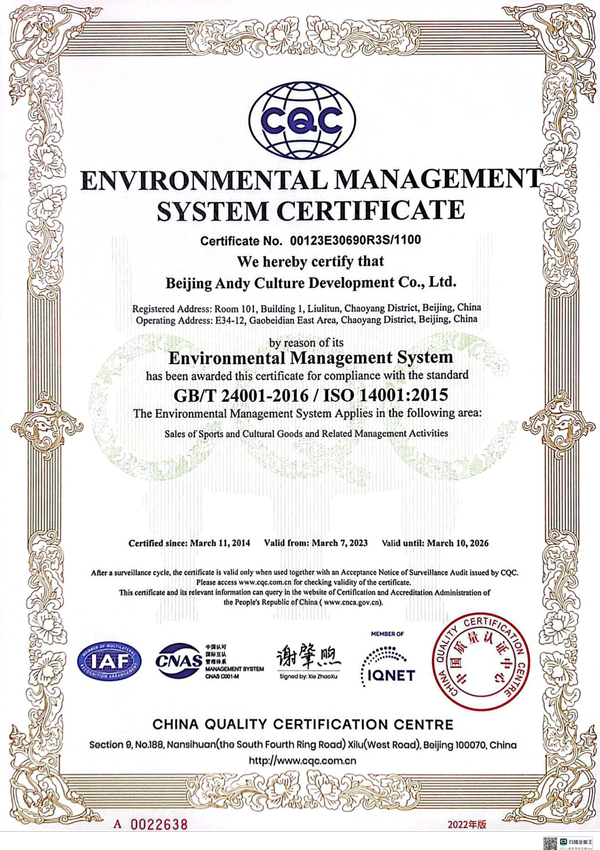
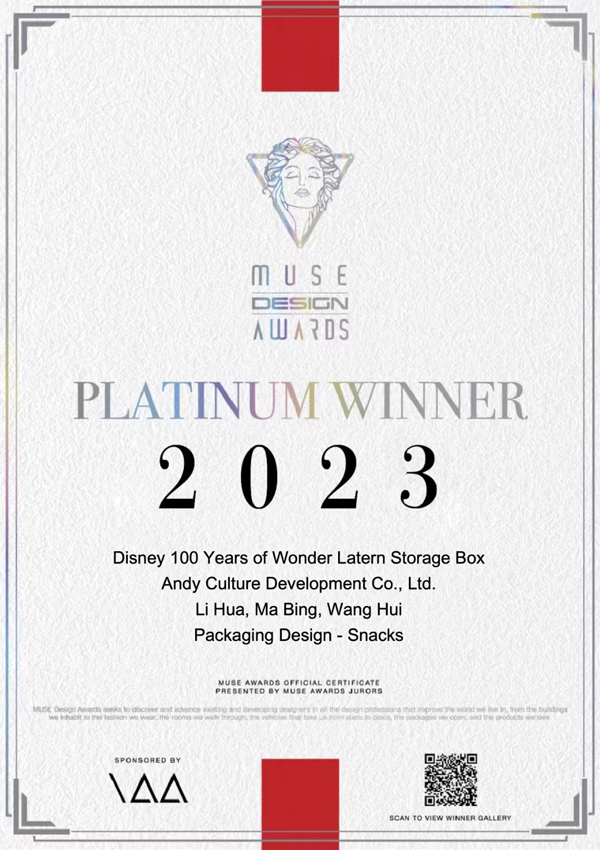
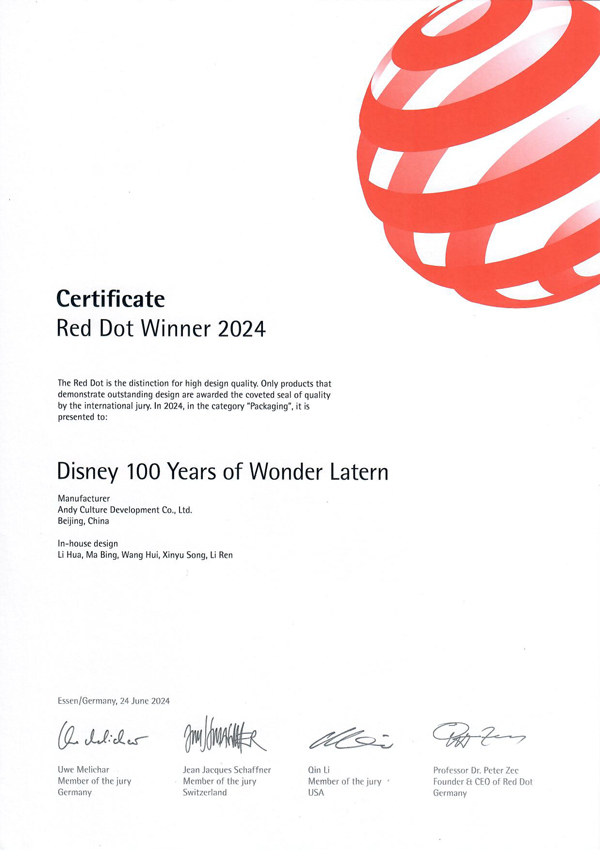
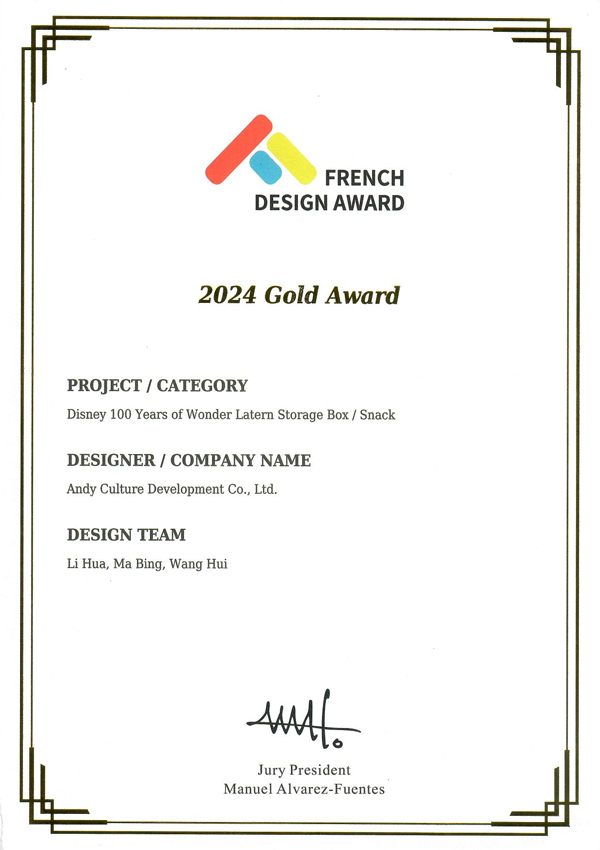
Established in 1995, Beijing Andy Culture Development Co., Ltd. (Andy Culture) brings 30 years of professional expertise in custom branded materials, cultural/creative solutions, and high-precision international procurement services. As a fully qualified foreign trade import and export enterprise, we operate seamlessly across Asia, Europe, Africa, and Latin America.
Customer-oriented and quality-driven is our core operational doctrine. Our team of over 20 senior experts spans architectural structural procurement, design, rigorous quality control (QC), and end-to-end international supply chain logistics.



Expert Insights Addressing Buyer Intent, Material Longevity, and Export Logistics
Integrated OEM & ODM Manufacturing Solutions for International Enterprise Clients
 Andy Culture